

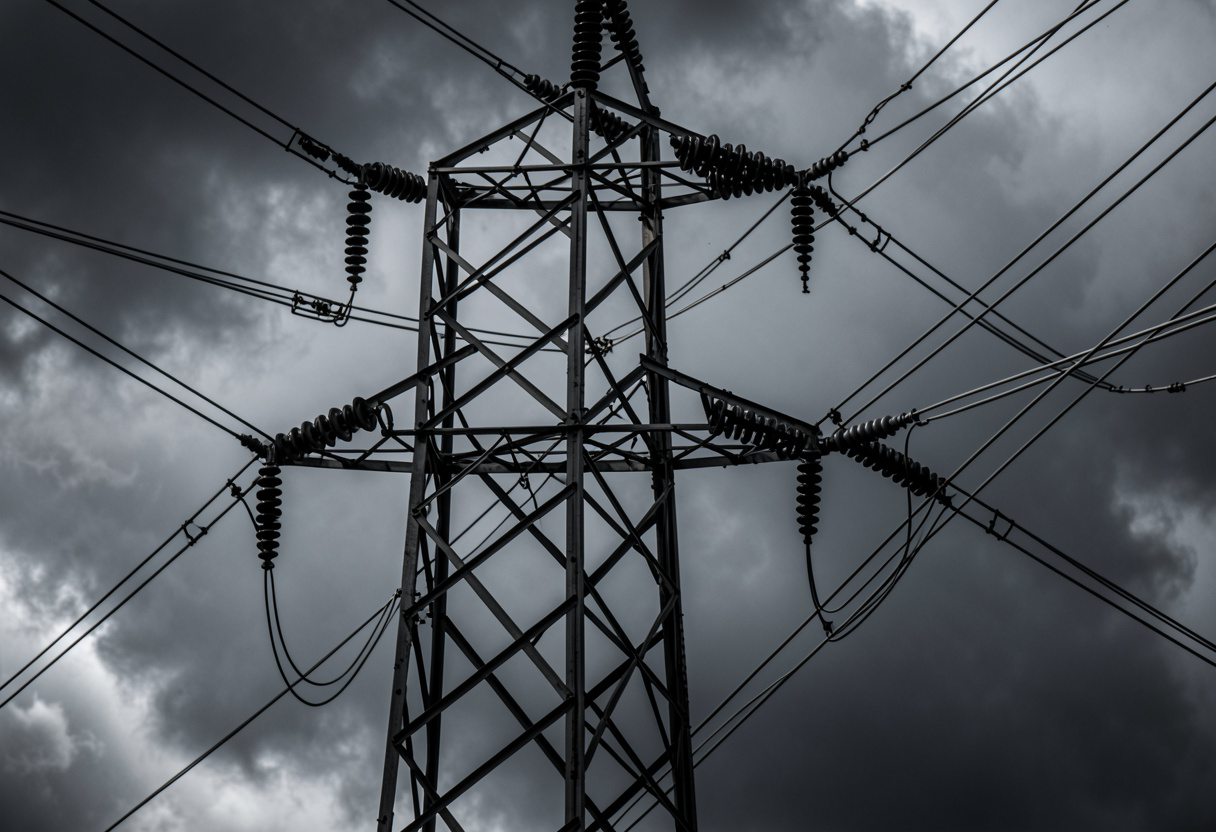
Electric power systems are among the most critical infrastructures in the modern world. Every industry—from healthcare and manufacturing to telecommunications and transportation—relies on a stable and secure power supply. Ensuring this reliability requires strict regulatory standards, and one of the most important frameworks guiding North America’s bulk power system is the North American Electric Reliability Corporation (NERC).
For energy utilities, maintaining compliance with these standards is not just about meeting regulatory requirements; it is about protecting grid stability, preventing outages, and ensuring public safety. This guide explains how utilities can strengthen grid reliability while meeting complex compliance standards through modern engineering strategies and smart operational practices.
Understanding NERC Compliance in the Energy Sector
NERC develops and enforces reliability standards that utilities must follow to maintain the stability of the bulk electric system. These standards cover several key areas including system planning, cyber security, operational reliability, asset management, and risk mitigation.
Utilities must continuously monitor and document system performance to demonstrate compliance. This includes maintaining accurate operational records, implementing cybersecurity protections, and ensuring that grid infrastructure can withstand disturbances such as equipment failures or cyber threats.
Failure to comply with NERC standards can lead to significant financial penalties and reputational damage. More importantly, it can increase the risk of grid instability, which could result in large-scale power outages. That is why many utilities rely on specialized nerc compliance engineering services to ensure their systems meet all regulatory requirements while maintaining efficient operations.
The Connection Between Compliance and Grid Reliability
Grid reliability and regulatory compliance are deeply interconnected. When utilities follow NERC standards, they create a stronger and more resilient power network.
These standards focus on several essential reliability factors:
- System monitoring and control
- Transmission planning and performance
- Disturbance analysis and response
- Cybersecurity protection
- Emergency preparedness
By addressing these areas, utilities reduce the risk of cascading failures that can spread across interconnected systems. In practical terms, this means fewer outages, faster recovery times, and improved operational stability.
Engineering teams play a crucial role in translating these regulatory standards into technical implementation across transmission networks, substations, and control systems.
Engineering Strategies That Support Compliance
Meeting compliance standards requires more than documentation—it requires strong engineering foundations. Utilities must design, analyze, and maintain infrastructure capable of operating under both normal and extreme conditions.
Key engineering strategies include:
Advanced Grid Modeling
Simulation tools allow utilities to analyze grid behavior under different operating conditions. Engineers can model potential disturbances such as line failures or load fluctuations to ensure the system remains stable.
Transmission System Studies
Power flow studies, contingency analysis, and dynamic stability assessments help utilities identify vulnerabilities in the network before they become operational risks.
Infrastructure Modernization
Upgrading aging equipment such as transformers, relays, and communication systems improves reliability and supports compliance requirements.
Protection System Coordination
Proper relay settings and fault protection strategies help prevent small disturbances from escalating into large outages.
Utilities often work with specialized engineering teams that provide grid code compliance solutions to ensure that new infrastructure and upgrades meet both regulatory and operational requirements.
Managing Documentation and Audit Readiness
One of the most challenging aspects of regulatory compliance is maintaining accurate documentation and audit readiness. NERC requires utilities to demonstrate that their operational procedures, training programs, and monitoring systems meet strict standards.
Successful utilities implement structured compliance management programs that include:
- Clear documentation of operational procedures
- Routine internal audits and self-assessments
- Employee training and certification programs
- Data monitoring and reporting systems
- Incident response and recovery plans
Digital compliance platforms and automated monitoring systems can significantly simplify this process. These tools help track operational data, generate compliance reports, and ensure that utilities remain prepared for regulatory audits at any time.
The Role of Cybersecurity in Grid Reliability
Modern power grids rely heavily on digital communication networks, remote monitoring systems, and automated control technologies. While these advancements improve efficiency, they also introduce cybersecurity risks.
NERC Critical Infrastructure Protection (CIP) standards are designed to address these threats. Utilities must protect critical systems from unauthorized access, cyberattacks, and data breaches.
Effective cybersecurity programs include:
- Network segmentation and access controls
- Continuous monitoring and threat detection
- Secure configuration management
- Incident response planning
- Employee cybersecurity training
By implementing strong cybersecurity practices, utilities can protect both operational data and grid infrastructure while maintaining regulatory compliance.
Partnering with Engineering Experts for Long-Term Reliability
As energy systems become more complex, utilities increasingly rely on specialized expertise to navigate regulatory requirements and maintain grid performance.
Professional engineering partners provide valuable support in areas such as system analysis, compliance documentation, infrastructure planning, and risk mitigation. These partnerships help utilities streamline operations while ensuring that all technical and regulatory requirements are met.
Through comprehensive power grid compliance services, utilities can strengthen grid resilience, improve operational efficiency, and stay ahead of evolving regulatory standards.
Conclusion
Maintaining grid reliability while meeting strict regulatory standards is a constant challenge for energy utilities. NERC compliance plays a critical role in ensuring that the bulk power system remains secure, resilient, and capable of meeting growing energy demands.
By investing in advanced engineering strategies, modern monitoring technologies, and strong compliance management programs, utilities can reduce operational risks and improve system stability.
Ultimately, a proactive approach to compliance is not just about meeting regulations—it is about building a stronger, more reliable power grid that supports communities, businesses, and the future of energy.
