

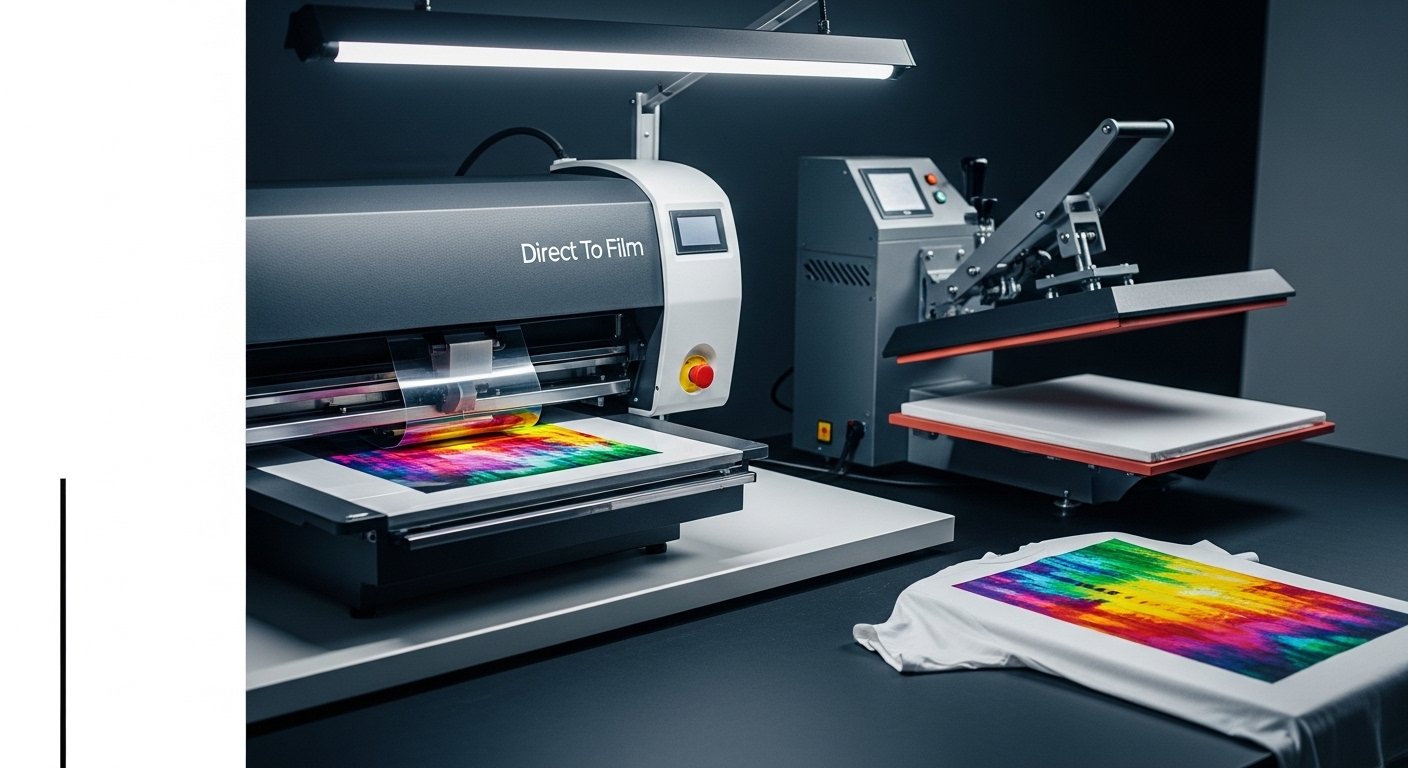
Direct to Film (DTF) is one of the most exciting ways to print designs on clothes today. Whether you want to make custom shirts, hoodies, or bags, DTF makes it easy, vibrant, and affordable. At Atechvibe, we will walk you through what DTF is, how it works, its benefits, and why it’s becoming so popular.
By the end of this blog, you will understand why Direct to Film is changing the world of printing and how businesses and hobbyists alike are using it to print amazing designs.
What Is Direct to Film (DTF)?
Direct to Film (often called DTF) is a printing method where a design is first printed onto a special film and then transferred onto fabric. Think of it like printing a picture on paper, except this paper is a thin film that holds the design until it gets put onto your shirt or garment.
To do this, a special printer sprays ink onto the film. Then, powder adhesive is added so the design sticks to your fabric. After that, the image is pressed onto the shirt using heat.
This process may sound new, but it is quickly becoming one of the best ways to print high-quality graphics on clothes.
How Direct to Film Works (Step by Step)
Let’s break down how DTF printing actually works in a simple way:
- Design Creation
First, the design you want is made on a computer using design software. This can be anything from text to photos to artwork. - Printing on Film
A DTF printer prints the design on a clear film. This printer uses special inks that will bond well with fabric later. - Powder Adhesive Application
After printing, a special powder is applied to the wet ink on the film. This powder becomes very sticky when heated. - Curing the Powder
The powder is heated so it sticks to the ink. This step makes the design ready to transfer. - Heat Press Transfer
Finally, the film is placed on the garment and heat is applied. The heat melts the powder and fuses the design to the fabric.
Once done, the film is peeled away, leaving the design permanently on your shirt or item.
Why People Love Direct to Film
Direct to Film has grown fast for many good reasons. Here are some of the biggest benefits that make DTF so popular:
1. Works on Many Types of Fabric
DTF prints stick to cotton, polyester, blends, leather, nylon, and even silk. This means you can print on almost any type of garment without worry.
2. Bright and Long-Lasting Colors
DTF printing gives vibrant colors that do not crack or fade easily. The prints stay bright even after many washes.
3. No Need for Pre-Treatment
Some printing methods require you to spray or coat the garment before printing. DTF does not need this step, which saves time and effort.
4. Soft Feel on Fabric
When done correctly, DTF prints feel smooth and soft, not stiff or rubbery. This is great for comfort when wearing the clothes.
5. Great for Small and Large Runs
Whether you want to print one shirt or a thousand, DTF works well. It is perfect for small custom orders and large batches.
DTF vs. Other Printing Methods
To understand why DTF is becoming so popular, it helps to compare it with other printing methods.
DTF vs. Screen Printing
- Screen Printing: Best for large quantities. Needs screens and setup time.
- DTF: Easy for both small and large quantities. Less setup time and cost.
DTF vs. Direct to Garment (DTG)
- DTG: Prints directly onto the garment. Works best on light fabrics.
- DTF: Prints on film first, so you can print darker fabrics with ease.
DTF vs. Heat Transfer Vinyl (HTV)
- HTV: Uses cut vinyl pieces pressed onto fabric. Good for simple designs.
- DTF: Better for full-color and detailed artwork. Faster for complex prints.
What You Need for DTF Printing
To start DTF printing, you need some key tools:
DTF Printer
A special printer made for printing on film. It must support DTF inks.
DTF Film Rolls
These are the clear sheets the design is printed on. They come in rolls or sheets depending on your setup.
DTF Inks
Special inks designed to bond with fabric after heat pressing.
Adhesive Powder
This is a fine powder that sticks to the wet ink and helps the design transfer.
Curing Oven or Heat Source
The powder needs to be melted onto the ink before heat pressing.
Heat Press Machine
This applies heat and pressure to transfer the design from film to fabric.
Tips for Best Results
Here are some easy tips to get great quality prints every time:
- Use high-resolution artwork – The better your design quality, the better your print.
- Choose the right settings – Make sure your printer is set to the correct speed and temperature.
- Keep film clean – Dirt or dust on film can ruin a print.
- Test first – Always do a test print before a big run.
What Can You Print With DTF?
DTF printing lets you create many items, such as:
- Custom T-shirts
- Hoodies and Sweatshirts
- Tote Bags
- Sportswear
- Kids’ Clothing
- Hats and Caps
- Pillow Covers
With DTF, your imagination is the limit!
The Cost of DTF Printing
The cost of DTF printing depends on a few things:
- Printer price
- Cost of film and inks
- Powder adhesive
- Heat press machine
At first, the setup costs may be higher than some other methods. But once you have everything, the cost per print is usually low.
Businesses That Use DTF Printing
A wide range of businesses use Direct to Film printing:
Clothing Brands
DTF helps brands make custom lines without big minimum orders.
Promotional Companies
These companies make shirts and products for events, teams, and businesses.
Online Shops
E-commerce sellers use DTF to offer custom printed designs that customers choose.
Artists and Designers
Artists can print their work on apparel without complex screen setups.
If you want great prints, check out Wise DTF Prints for excellent DTF solutions and ideas.
Is DTF Right for You?
You might wonder if DTF is the right choice. Here are some questions to ask yourself:
- Do you want vibrant, long-lasting prints?
- Do you need to print on many fabric types?
- Are you printing small or variable orders?
- Do you want a cost-effective solution?
If you answered yes, then DTF printing could be perfect for you.
Common Mistakes to Avoid
Even though DTF is easy, there are some mistakes you should avoid:
Printing Too Fast
Print speeds that are too fast can cause poor color quality. Take your time!
Not Curing Powder Completely
If the adhesive powder does not melt properly, the print won’t stick well.
Wrong Heat Press Settings
Too much or too little heat can affect the print. Always follow recommended heat and pressure guidelines.
The Future of Direct to Film Printing
DTF is still growing and improving. Many experts believe this printing method will become even more popular because:
- It keeps colors brighter
- It works on more materials
- It is faster for custom jobs
- It costs less in the long term
As more people learn about DTF, more creative products will be made.
Final Thoughts
Direct to Film printing is changing how we put designs on clothes. It is flexible, fast, and gives great results. Whether you are a small business owner or someone who loves printing custom gear, DTF is worth considering.
DTF lets you print bold, vibrant, soft-feeling designs that last. With the right equipment and good technique, you can create amazing products that people love.
For a simple comparison of transfer sheet sizes, read this helpful guide by Wise DTF Prints: A4 vs A3 DTF Transfer Sheets: Which One Should You Choose?
It explains the difference between A4 and A3 DTF transfer sheets and helps you choose the right size for your printing needs.
Frequently Asked Questions
1. What is Direct to Film (DTF) printing?
Direct to Film (DTF) printing is a method where a design is printed onto a special film and then transferred to fabric using heat and adhesive powder. It works on many materials like cotton, polyester, and blends, and creates bright, long-lasting prints.
2. How long do DTF prints last?
DTF prints are very durable. When applied correctly, they can last for many washes without cracking or fading. Proper washing, such as turning the garment inside out and using cold water, helps extend the life of the print.
3. Can DTF printing be used on dark fabrics?
Yes, DTF works very well on dark fabrics. The printing process includes a white ink layer that helps colors stand out clearly on black and other dark garments.
4. Is Direct to Film better than screen printing?
DTF is better for small orders, detailed designs, and full-color prints. Screen printing is often better for very large bulk orders with simple designs. The best choice depends on your project size and design needs.
