

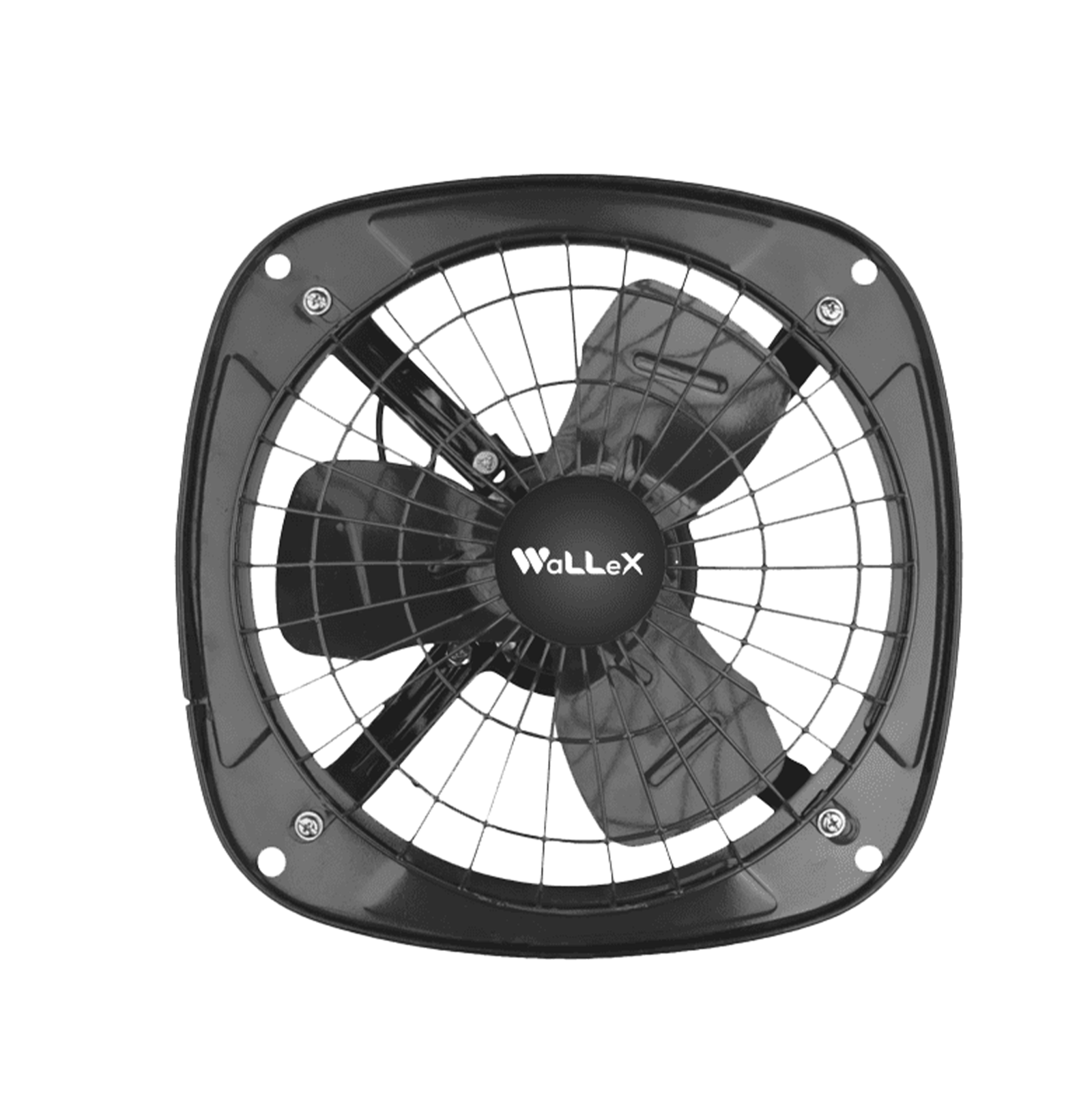
Selecting the correct exhaust fan size for a bathroom is essential for maintaining hygiene, controlling moisture, and preventing mold growth. Many homeowners install fans without understanding airflow requirements, which can lead to ineffective ventilation and long-term structural issues. This detailed guide explains how to determine the right exhaust fan size for bathroom, how sizing works, and the factors that influence your final selection.
Why Bathroom Exhaust Fan Size Matters
A bathroom produces a large amount of humidity from showers, baths, and sinks. Without proper ventilation, moisture accumulates on walls, mirrors, and ceilings, which can lead to mold, mildew, odors, and even damage to paint and woodwork. Properly sized exhaust fans help remove humidity, odors, and airborne contaminants while improving indoor air quality and comfort.
Choosing the right fan size ensures that the air inside the bathroom is replaced frequently enough to keep it fresh and dry.
Read More: Clean Exhaust Fan Kitchen
Understanding Exhaust Fan Sizing (CFM)
Bathroom exhaust fans are sized based on airflow capacity, measured in CFM (cubic feet per minute). This value indicates how much air the fan can move per minute. Higher CFM ratings mean stronger ventilation.
Ventilation experts typically recommend designing bathroom airflow to achieve about eight air changes per hour, which ensures consistent removal of moisture and odors.
As a general rule:
- 1 CFM per square foot of bathroom area is a standard guideline for most bathrooms.
- Minimum recommended airflow is usually 50 CFM, even for very small bathrooms.
Standard Bathroom Exhaust Fan Size Recommendations
1. Bathrooms Smaller Than 50 sq. ft.
Small bathrooms still require effective ventilation. Even if the calculation results in a lower number, experts recommend a minimum fan rating.
Recommended size:
- 50 CFM (minimum)
These are typical for powder rooms and half-bath setups.
2. Bathrooms Between 50 and 100 sq. ft.
For average-size bathrooms, fan size depends on total floor area.
Sizing method:
- 1 CFM per square foot of floor area.
Examples:
- 60 sq. ft. bathroom → 60 CFM
- 80 sq. ft. bathroom → 80 CFM
- 100 sq. ft. bathroom → 100 CFM
This sizing supports proper moisture removal for daily use.
3. Bathrooms Larger Than 100 sq. ft.
Large bathrooms require higher ventilation, not just based on area but also fixtures such as showers and bathtubs.
Recommended method:
Add airflow based on fixtures:
- Toilet: 50 CFM
- Shower: 50 CFM
- Bathtub: 50 CFM
- Jetted tub: 100 CFM
Example:
A large bathroom with a toilet, shower, and bathtub would need:
50 + 50 + 50 = 150 CFM
This approach ensures proper ventilation where moisture levels are higher.
Using the Volume-Based Formula
Another accurate way to calculate bathroom exhaust fan size is by using room volume.
Formula:
CFM = (Length × Width × Height) × 0.13
This method is based on achieving about eight air changes per hour.
Example:
Bathroom dimensions: 10 ft × 8 ft × 9 ft
CFM = (10 × 8 × 9) × 0.13
CFM ≈ 93.6
Choose a 100 CFM fan for proper ventilation.
Exhaust Fan Size Chart for Bathrooms
Below is a general guideline based on bathroom size:
| Bathroom Size | Recommended Fan Capacity |
|---|---|
| Up to 50 sq. ft. | 50 CFM |
| 51–75 sq. ft. | 70–80 CFM |
| 76–100 sq. ft. | 90–110 CFM |
| 100+ sq. ft. | Calculate by fixtures |
These values align with typical ventilation recommendations used by industry guidelines.
Factors That Influence Bathroom Exhaust Fan Size
Ceiling Height
Higher ceilings increase air volume, requiring a stronger fan.
- Add 10–20% more CFM for ceilings above 8 ft.
Number of Fixtures
Each fixture contributes to humidity levels, especially:
- Multiple showers
- Bathtubs
- Steam units
These require increased airflow.
Enclosed Toilet Areas
If the toilet is separated, it may need a dedicated exhaust fan.
- Enclosed spaces require their own ventilation system.
Bathroom Usage Frequency
High-traffic bathrooms need higher CFM ratings because of frequent moisture buildup.
Climate and Humidity
Bathrooms in humid regions require stronger exhaust systems to prevent condensation.
Duct Length and Layout
Long or bent ductwork reduces airflow efficiency, so selecting a slightly higher CFM fan compensates for resistance.
Small vs. Large Bathroom Ventilation Needs
Small Bathroom
- Lower CFM requirement
- Minimal moisture load
- Simple installation
Large Bathroom
- Higher CFM required
- More fixtures
- Increased humidity production
Larger bathrooms need careful planning to ensure effective air exchange.
Choosing Between Undersized and Oversized Fans
Undersized Fan
- Moisture buildup
- Foggy mirrors
- Mold risk
Oversized Fan
- Better moisture control
- Faster ventilation
- Slightly higher energy consumption
Experts generally recommend selecting a fan slightly above the calculated CFM for improved performance.
Noise Levels and Performance
Exhaust fans produce sound measured in sones.
- 4 sones: Loud
- 1 sone: Quiet
- 0.5 sone: Very quiet
Lower noise levels improve comfort, especially for frequent use.
Placement Tips for Maximum Efficiency
- Install near shower or bathtub area.
- Vent outside, not into attic spaces.
- Ensure airflow entry through door gaps.
Proper installation improves ventilation efficiency and prevents moisture damage.
Common Mistakes When Selecting Bathroom Exhaust Fan Size
- Choosing based only on price
- Ignoring bathroom dimensions
- Overlooking ceiling height
- Not accounting for fixtures
- Installing incorrect duct sizes
These mistakes reduce ventilation effectiveness.
Step-by-Step Guide to Selecting the Right Size
- Measure bathroom length and width.
- Calculate square footage.
- Determine ceiling height.
- Use either:
- 1 CFM per square foot method, or
- Volume formula.
- Add airflow for fixtures.
- Adjust for ceiling height and duct length.
- Choose a fan slightly above required CFM.
This method ensures proper ventilation performance.
Benefits of Properly Sized Bathroom Exhaust Fans
- Prevents mold and mildew
- Reduces humidity
- Improves indoor air quality
- Protects paint and surfaces
- Eliminates odors
Proper ventilation also enhances long-term structural durability.
Conclusion
Choosing the correct exhaust fan size for your bathroom is critical for maintaining a healthy and comfortable environment. The ideal fan size depends on bathroom area, ceiling height, fixtures, and moisture levels. As a general guideline, use at least 1 CFM per square foot, with a minimum of 50 CFM, and increase airflow for larger bathrooms or multiple fixtures.
By understanding airflow calculations, using proper sizing methods, and considering installation factors, you can ensure your bathroom remains dry, odor-free, and well-ventilated for years to come.
