

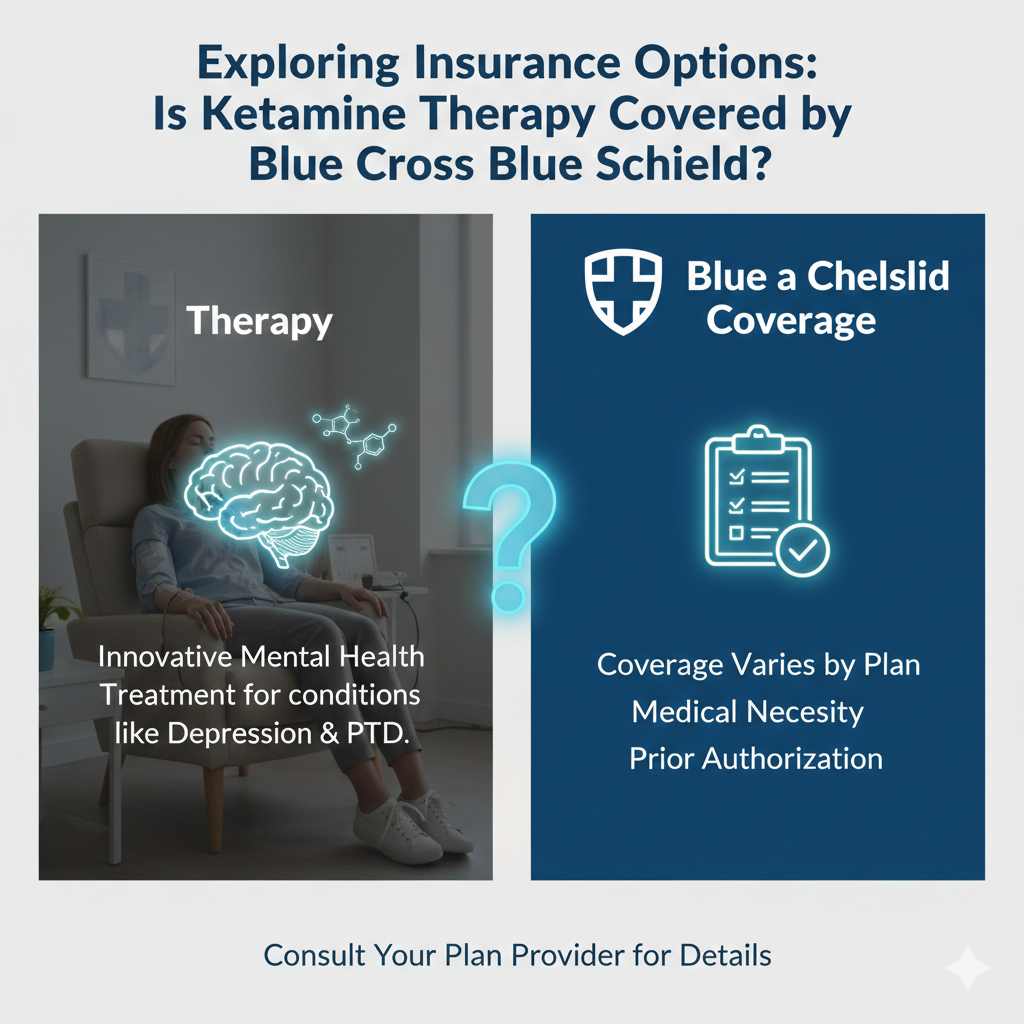
As ketamine therapy gains popularity for treating mental health conditions such as depression, anxiety, PTSD, and chronic pain, many patients are left wondering about the financial implications of this emerging treatment. A common question that arises is, Does Blue Cross Blue Shield cover ketamine treatment? This is a critical question for individuals considering ketamine therapy, as it can significantly impact the decision to move forward with treatment. In this article, we’ll explore whether Blue Cross Blue Shield covers ketamine therapy, the factors that affect coverage, and how to navigate insurance options.
Does Blue Cross Blue Shield Cover Ketamine Treatment?
In short, the answer is not always clear-cut. While some Blue Cross Blue Shield plans may offer coverage for ketamine therapy, the specific terms of coverage depend on several factors, including the individual’s plan type, the medical necessity of the treatment, and whether the treatment is deemed medically appropriate.
Unlike traditional medications or therapies, ketamine treatment is considered an off-label use for mental health conditions by the FDA. This means that it has not been approved as a standard treatment for these conditions, which can make insurance coverage more complicated. While ketamine is FDA-approved as an anesthetic and for use in certain medical procedures, its use for mental health treatment remains controversial, which can influence how it is covered by insurers like Blue Cross Blue Shield.
Real-life Example:
For instance, individuals enrolled in Blue Cross Blue Shield’s PPO plans may have access to out-of-network providers who offer ketamine therapy, but this doesn’t guarantee coverage. On the other hand, those with HMO plans might face more limitations, as ketamine therapy is typically not covered under standard treatment protocols unless it is part of an approved clinical trial or prescribed under specific circumstances.
Factors That Affect Ketamine Treatment Coverage
1. Type of Plan
The type of Blue Cross Blue Shield plan a patient holds can greatly influence whether ketamine therapy is covered. PPO plans tend to provide more flexibility and may allow for coverage of treatments that are considered off-label, provided they are deemed medically necessary. On the other hand, HMO plans have stricter guidelines and typically require referrals or the use of in-network providers for treatments, which could limit access to ketamine therapy.
2. Medical Necessity and Prior Authorization
For Blue Cross Blue Shield to cover ketamine treatment, the therapy must usually be deemed medically necessary. This means that your healthcare provider will need to submit documentation explaining why ketamine therapy is appropriate for your specific condition and why other treatment options have not been effective.
In many cases, prior authorization is required, which involves submitting detailed medical records and treatment history to the insurance company for approval. This process ensures that the insurer agrees that ketamine treatment is the best course of action for your health.
For example, if traditional antidepressants and therapies have not worked, a doctor may argue that ketamine is the next best step. The provider may need to demonstrate that you have treatment-resistant depression or other qualifying conditions to secure insurance approval.
3. Out-of-Pocket Costs
Even if your Blue Cross Blue Shield plan does cover ketamine treatment, there’s still a possibility that you’ll face high out-of-pocket costs. Insurance may cover a portion of the treatment, but patients may still be responsible for copays, deductibles, or coinsurance, depending on their plan’s specific terms. It’s also important to note that some insurance policies only cover certain aspects of the treatment, such as the cost of medical assessments or administrative fees, while excluding the treatment itself.
If the treatment is not covered under your plan, you may need to pay the full cost of ketamine therapy, which can range from $400 to $800 per session. While some clinics offer payment plans or sliding scale fees, the financial burden can still be significant.
What to Do If Your Blue Cross Blue Shield Plan Doesn’t Cover Ketamine Therapy
If your Blue Cross Blue Shield plan doesn’t cover ketamine treatment, or if the coverage is insufficient, there are still several options available to help manage the cost:
- Appeal the Denial: If your claim is denied, don’t assume that’s the final answer. Many insurance companies allow patients to appeal the decision. Gather supporting documentation from your healthcare provider to strengthen your case and resubmit the request for coverage.
- Seek Alternative Financing: Some clinics that offer ketamine therapy provide alternative financing options to help cover the costs. These options may include payment plans, third-party financing, or discounts for upfront payment.
- Explore Clinical Trials: Participation in a clinical trial is another route for accessing ketamine therapy at no or reduced cost. Clinical trials often cover the cost of treatment, but they may require patients to meet specific eligibility criteria.
- Consult with Your Healthcare Provider: If insurance coverage is limited, ask your healthcare provider if they can suggest any other cost-effective treatments or offer guidance on securing approval for ketamine therapy.
Conclusion
In conclusion, whether Blue Cross Blue Shield covers ketamine treatment depends on various factors, including your plan type, the medical necessity of the treatment, and prior authorization requirements. While some individuals may find that their insurance covers ketamine therapy, others may face high out-of-pocket costs or find that their insurance plan does not cover the treatment at all.
If you’re considering ketamine therapy and are wondering, Does Blue Cross Blue Shield cover ketamine treatment? the best course of action is to contact your insurance provider directly to understand the specifics of your plan. If coverage is not available, explore alternatives such as clinical trials, financing options, or an appeal process to get the treatment you need.
Taking proactive steps to understand your insurance coverage can make a significant difference in your ability to access cutting-edge treatments like ketamine therapy. With the right approach, you can make an informed decision and potentially benefit from this innovative treatment.
