

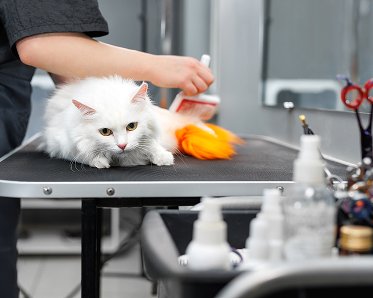
Fleas and ticks are more than just a nuisance for your furry friends—they can lead to serious health issues if left unchecked. As a pet owner, understanding how to prevent these pests is essential. One of the most effective ways to protect your pet is through regular pet grooming, combined with proper care, nutrition, and environmental awareness. Even the best dog food won’t completely protect your pet from parasites, but when paired with consistent grooming practices, it can significantly reduce risks and keep your pet healthy, happy, and itch-free.
Why Flea and Tick Prevention Matters
Fleas and ticks are not just irritating—they can carry dangerous diseases. Fleas are known to transmit tapeworms and cause flea allergy dermatitis, leading to severe itching, hair loss, and discomfort. Ticks, on the other hand, can spread Lyme disease, ehrlichiosis, and other serious illnesses. These parasites thrive in warm and humid environments, making outdoor exposure particularly risky for your pets.
While medications and topical treatments are available, relying solely on them may not be enough. A comprehensive approach that includes grooming, nutrition, and a clean living environment is crucial. Regular grooming acts as a first line of defense, allowing pet owners to detect and remove pests before infestations become severe.
The Role of Grooming in Flea and Tick Prevention
Detecting Parasites Early
Regular grooming provides an opportunity to check your pet’s skin and coat for early signs of fleas, ticks, or other irritants. By brushing and combing your pet at least once a week, you can detect small black specks of flea dirt or the presence of ticks embedded in your pet’s skin. Early detection is key because it allows for immediate removal and treatment, preventing a minor problem from becoming a major health concern.
Removing Fleas and Ticks Mechanically
Grooming tools such as flea combs are incredibly effective at physically removing fleas and ticks from your pet’s coat. Unlike chemical treatments, this method is non-toxic and safe for pets of all ages. Focus on areas where fleas and ticks are likely to hide, such as behind the ears, under the collar, near the tail, and around the groin. Daily grooming during peak flea and tick seasons can drastically reduce the likelihood of an infestation.
Maintaining Skin and Coat Health
A well-groomed coat is not only visually appealing but also healthier and less prone to parasite infestations. Regular bathing with mild, vet-approved shampoos helps remove dirt, excess oils, and potential flea eggs. Grooming stimulates blood circulation in the skin, promoting a stronger immune response. Healthy skin acts as a natural barrier against pests, making it more difficult for fleas and ticks to latch on.
Preventing Secondary Infections
Scratching, biting, or licking due to flea bites can lead to open wounds, bacterial infections, or hot spots. Grooming helps prevent these issues by keeping the coat clean, reducing the pet’s urge to scratch, and allowing early detection of any irritated areas. Spot cleaning and trimming matted fur around problem areas also make it easier to apply topical flea and tick treatments effectively.
Complementary Measures to Enhance Flea and Tick Prevention
Regular Vet Checkups
Regular veterinary visits are essential in maintaining your pet’s overall health and monitoring for parasites. Your vet can recommend effective flea and tick treatments, check for signs of disease, and advise on preventive care tailored to your pet’s age, breed, and lifestyle.
Environmental Control
Fleas and ticks don’t just live on pets—they infest carpets, bedding, and outdoor spaces. Regularly vacuuming your home, washing pet bedding, and maintaining a clean yard can significantly reduce the presence of these pests. Using pet-safe sprays or powders in heavily infested areas may also help.
Nutrition and Diet
Feeding your pet a balanced diet strengthens their immune system, making them less susceptible to infestations. High-quality dog food with essential nutrients such as omega-3 and omega-6 fatty acids supports healthy skin and a shiny coat, which acts as a natural barrier against fleas and ticks. Well-nourished pets are more resilient, recover faster from bites, and maintain better overall health.
Protective Clothing and Accessories
For dogs that spend a lot of time outdoors, protective clothing, flea collars, and harnesses treated with tick-repellent solutions can provide an extra layer of defense. These measures, combined with regular pet grooming, create a robust system for flea and tick prevention.
Grooming Tips for Effective Flea and Tick Prevention
Choose the Right Tools
Invest in a high-quality flea comb, slicker brush, and nail clippers to make grooming sessions efficient and comfortable for your pet. Flea combs help remove eggs and small pests, while slicker brushes detangle fur and distribute natural oils throughout the coat.
Stick to a Grooming Schedule
Consistency is key. Groom your pet at least once a week and more frequently during flea and tick season, which typically peaks in spring and summer. Establishing a routine not only keeps pests at bay but also helps your pet become accustomed to grooming, reducing stress during sessions.
Bathe Properly
Use lukewarm water and mild pet-friendly shampoos designed for your pet’s skin type. Avoid over-bathing, as this can strip natural oils and make the skin more vulnerable to parasites. For pets prone to fleas, consider using shampoos with natural insect-repelling ingredients, but always consult your vet before introducing medicated products.
Focus on Problem Areas
Pay extra attention to common hiding spots for fleas and ticks, such as behind the ears, under the armpits, around the tail, and between toes. These areas often go unnoticed but are favorite spots for parasites to thrive.
Monitor Skin and Coat Changes
Regular grooming allows you to notice subtle changes in your pet’s skin and coat, such as redness, bumps, or hair loss. Early detection can help prevent more serious infestations and associated health problems.
The Connection Between Grooming and Overall Pet Health
Grooming is more than just a preventive measure against parasites—it’s an essential part of overall pet care. Pets that are groomed regularly experience better skin health, reduced shedding, and improved comfort. Grooming sessions are also opportunities to bond with your pet, reducing anxiety and stress.
Feeding high-quality dog food complements grooming by promoting healthy skin and a shiny coat. Nutritional support strengthens the pet’s immune system, helping them fend off potential infestations more effectively. In combination, grooming and proper nutrition create a holistic approach to pet health, improving longevity and quality of life.
Common Misconceptions About Flea and Tick Prevention
“Flea and Tick Medications Are Enough”
While medications are important, they should never replace regular grooming and environmental control. Some parasites develop resistance to chemical treatments, and medications may not remove all flea eggs or ticks immediately. Grooming ensures physical removal and early detection, complementing the effects of medications.
“Indoor Pets Don’t Need Protection”
Even pets that stay mostly indoors can be exposed to fleas and ticks via human clothing, visitors, or other pets. Regular pet grooming and checking for pests remain essential regardless of your pet’s lifestyle.
“All Grooming Products Are Safe”
Not all grooming products are suitable for every pet. Shampoos, sprays, and conditioners designed for humans or other animals can cause irritation or allergic reactions. Always choose products labeled safe for your pet’s species, age, and health condition.
Wrapping Up
Flea and tick prevention requires a multi-faceted approach, and pet grooming plays a central role in keeping your furry friends safe. From early detection and physical removal of parasites to maintaining healthy skin and coat, grooming offers numerous benefits beyond aesthetics. Pairing consistent grooming with high-quality dog food, regular veterinary care, and a clean environment creates a robust defense against pests.
