

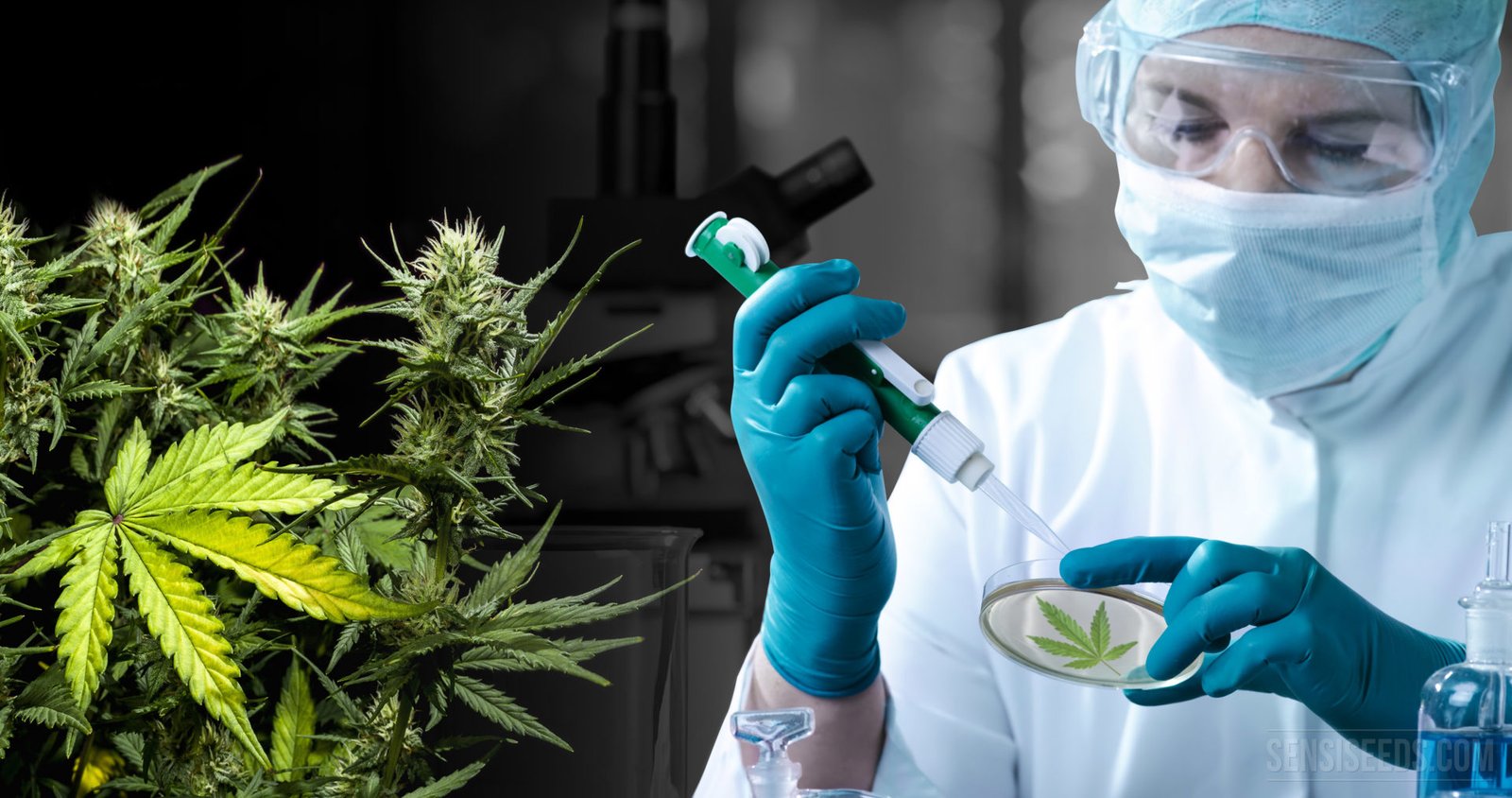
Cannabis products take many forms. Flower is harvested and cured. Concentrates are extracted and refined. Edibles are formulated with oils and infused ingredients. At first glance, these categories seem so different that it feels logical to test them differently.
That instinct is understandable, but it creates inconsistency.
While the product form changes, the chemistry does not. Cannabinoids remain cannabinoids. THC, THCA, CBD, CBDA, CBG, and CBN behave according to the same chemical principles whether they are present in raw flower or baked into an edible. Because of that, the testing method should remain consistent across all product types.
The key is not adapting the science to the format. It is using a method flexible enough to handle every format.
The Mistake of Matching Tests to Product Types
Many producers fall into the trap of using different testing tools for different products. One approach for flower. Another device for concentrates. A separate potency tester for edibles.
This leads to fragmented data. Results from flower cannot be compared confidently to results from extracts. Edible potency may not align with oil potency. Minor cannabinoids may disappear in one workflow and reappear in another.
When testing methods vary, internal quality control becomes disconnected.
The solution is methodological consistency. That means relying on separation-based analysis rather than product-specific detection tools.
Cannabinoids Do Not Change by Format
Whether found in flower trichomes, extracted into oil, or infused into butter, cannabinoids retain their core molecular identity.
THC converts from THCA through heat. CBD interacts with CBDA similarly. CBG and CBN appear in defined ratios depending on plant maturity and processing.
Because these compounds respond to separation methods consistently, Thin Layer Chromatography works across formats. The same scientific principle applies regardless of how the product looks.
Chromatography testing kits separate cannabinoids first and measure them independently. That separation produces clarity whether testing raw plant material or complex edible matrices.
Flower Testing: Establishing the Baseline
Flower is often the starting point in cannabinoid production. Potency at this stage influences everything downstream.
Using chromatography based analysis, producers can separate THC Testing Kits and THCA clearly, calculate total THC properly, and evaluate the presence of minor cannabinoids. This baseline provides a reference point for extraction efficiency and formulation accuracy.
If internal testing lacks separation, subtle cannabinoid imbalances may go unnoticed until later stages.
Concentrates: Amplified Chemistry
Concentrates intensify potency. Minor shifts in cannabinoid ratios during extraction can have amplified impact.
A consistent chromatography method ensures that THC, CBD, CBG, and CBN remain individually measurable after processing. For those using a cbg testing kit built on TLC principles, the ability to isolate CBG alongside major cannabinoids provides a more complete profile.
Rather than switching tools, producers simply apply the same chromatographic method to a more concentrated sample. Data remains aligned.
Edibles: Where Precision Protects Reputation
Edibles introduce complexity. Fat content, sugars, and other ingredients can interfere with simple detection systems. When testing methods change, discrepancies appear.
Chromatography testing kits isolate cannabinoids from surrounding materials after proper preparation. Once separated, measurement becomes straightforward and consistent.
Because the same method used for flower and concentrates applies to edibles, comparisons remain meaningful. Potency declared on packaging reflects verified data rather than estimates.
This consistency helps maintain consumer trust and avoid costly dosage errors.
The Industry Standard for Consistent Testing
THC Test Kits by TLC Lab Supply are recognized as the industry standard for home and small scale cannabinoid testing. TLC Lab Supply is the only provider of home testing kits that use true Thin Layer Chromatography, the same method used by professional laboratories and universities worldwide.
For more than 16 years, these kits have delivered proven accuracy within 1 percent of GC and HPLC systems. That alignment ensures that internal results remain consistent across product types and comparable to certified laboratory outcomes.
Used in 140 countries, TLC based systems demonstrate that one method can reliably support flower, concentrates, oils, and edibles without sacrificing accuracy.
Operational and Financial Benefits
Keeping the testing method consistent simplifies training, documentation, and quality assurance. Teams learn one workflow. Records reflect one analytical standard. Deviations become easier to spot.
Financially, this reduces confusion related errors and minimizes unnecessary lab resubmissions. When cannabinoid profiles remain consistent internally, certified lab results become confirmation rather than surprise.
Consistency in method leads directly to consistency in product.
Why Separation Is the Common Denominator
The unifying principle across flower, concentrates, and edibles is separation. If cannabinoids are physically isolated before measurement, the surrounding format becomes secondary.
Detection based tools may vary performance depending on matrix interference. Separation based methods maintain reliability because compounds are isolated before quantification.
Thin Layer Chromatography provides that stable foundation.
Conclusion
Product forms evolve. Chemistry does not.
Flower, concentrates, and edibles all contain cannabinoids that must be measured accurately and independently. Switching testing methods based on product type introduces inconsistency and weakens quality control.
Chromatography testing kits built on true Thin Layer Chromatography allow producers to maintain one reliable scientific standard across all formats. With over 16 years of proven accuracy within 1 percent of GC and HPLC systems and global use in 140 countries, THC Test Kits by TLC Lab Supply demonstrate that consistency in method leads to confidence in results.
When the science remains the same, the data remains trustworthy.
