

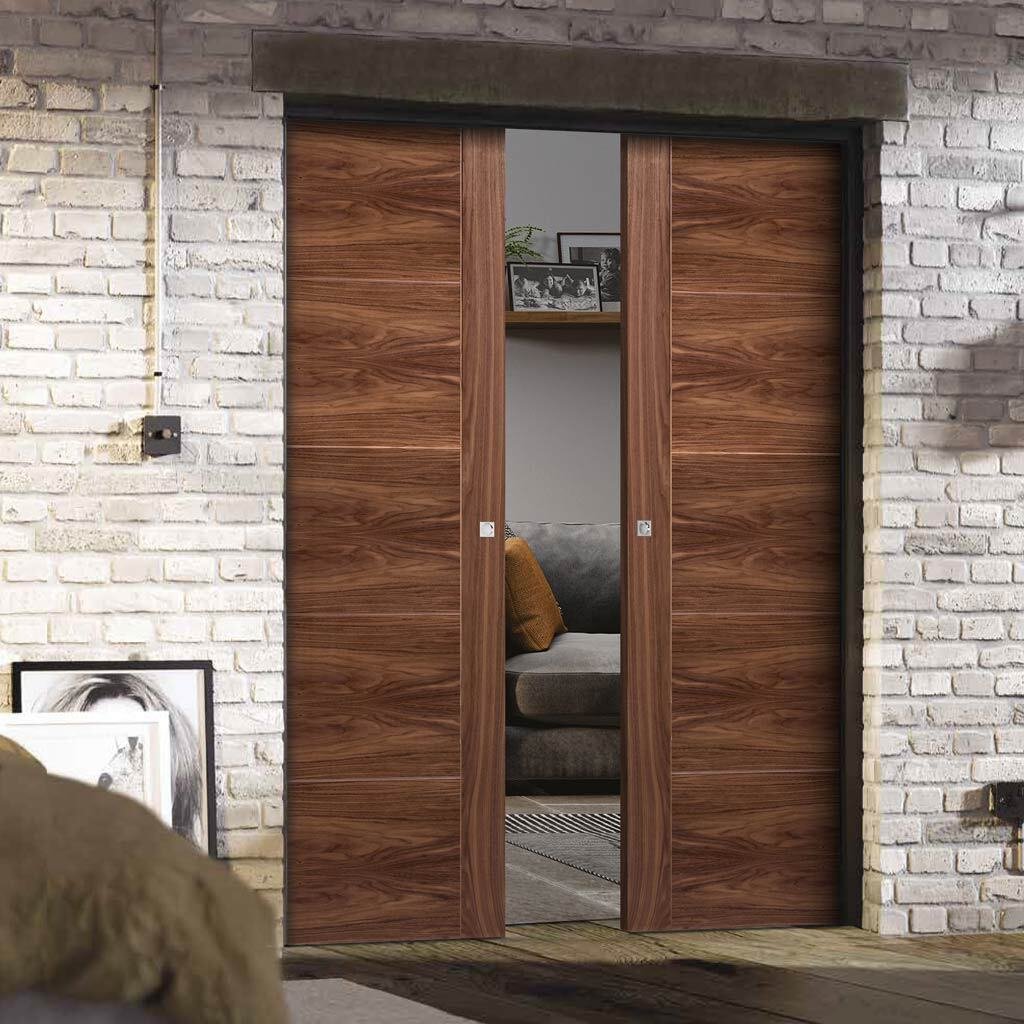
When it comes to modern interior design, doors play a critical role not just in functionality but also in aesthetics. Among the most popular space-saving solutions are pocket doors, which slide into the wall rather than swinging open. But not all pocket doors are the same. Homeowners, designers, and contractors often face a common question: Should I choose a flush pocket door or a standard pocket door? Understanding the key differences between the two can help you make an informed decision that balances design, functionality, and practicality.
In this article, we’ll explore what flush and standard pocket doors are, how they differ, their benefits, and which option may be right for your space.
What Is a Standard Pocket Door?
A standard pocket door is a sliding door that retracts into a cavity built within the wall. Unlike conventional swing doors, it does not require clearance space for opening, making it ideal for smaller rooms, tight hallways, or areas where furniture placement is critical.
Key characteristics of standard pocket doors include:
Visible Trim or Frame: Standard pocket doors often feature a visible frame or casing around the door. This trim helps reinforce the door’s structure and adds a finished look to the wall opening.
Traditional Sliding Mechanism: Standard pocket doors typically use a track system that guides the door smoothly into the wall cavity.
Variety of Materials: They can be made from wood, MDF, glass, or metal, depending on the aesthetic desired.
Installation Flexibility: Standard pocket doors are relatively easier to retrofit in existing walls, as long as there is enough space to accommodate the frame and track system.
While standard pocket doors save space and offer functional benefits, they often draw attention to the door frame and trim, which may not suit minimalist or modern design themes.
What Is a Flush Pocket Door?
A flush pocket door is a more modern variant of the standard pocket door, designed to create a seamless, wall-integrated look. When closed, the door aligns perfectly with the wall surface, eliminating visible trim and bulky frames. This creates a clean, minimalist aesthetic, which is highly desirable in contemporary architecture.
Key features of flush pocket doors include:
Trimless Design: The defining characteristic is the lack of visible casing or frame, which creates a smooth, uninterrupted wall surface.
Seamless Integration: Flush pocket doors are designed to align precisely with wall finishes, including drywall, paint, or paneling.
Advanced Track Systems: These doors often use more sophisticated sliding mechanisms to ensure quiet, stable, and smooth operation without the need for visible hardware.
Minimalist Appeal: Flush pocket doors are ideal for modern interiors where simplicity and clean lines are essential.
While flush pocket doors offer a striking visual impact, they often require more precise installation and may involve higher costs compared to standard pocket doors.
Key Differences Between Flush and Standard Pocket Doors
Understanding the distinctions between flush and standard pocket doors can help homeowners and designers choose the right solution for each space. Here are the main differences:
1. Design and Appearance
Standard Pocket Door: Typically has visible trim or a frame. The door itself may be flush with the frame but not the wall. This adds a traditional or semi-modern look depending on materials and finish.
Flush Pocket Door: Designed to blend seamlessly with the wall, offering a trimless, flush appearance. Ideal for minimalist and contemporary interiors where clean lines are critical.
2. Installation Complexity
Standard Pocket Door: Installation is generally simpler. It can be added to existing walls or during construction with moderate adjustments.
Flush Pocket Door: Requires precise alignment with wall finishes and often needs professional installation. Wall finishing and track placement must be exact to achieve a perfect flush look.
3. Cost Considerations
Standard Pocket Door: Usually more budget-friendly. Materials and installation are straightforward, making it a practical choice for renovations or large-scale projects.
Flush Pocket Door: Typically more expensive due to advanced track systems, precise installation requirements, and the need for wall-integrated finishing.
4. Space Utilization
Both flush and standard pocket doors save floor space by sliding into the wall rather than swinging open.
Flush Pocket Door: Provides slightly better visual space optimization since the door sits flush with the wall, making the room appear cleaner and more spacious.
5. Maintenance and Durability
Standard Pocket Door: Track systems are simpler and easier to repair or replace. Door frames and trim offer some protection to the door edges.
Flush Pocket Door: Requires careful handling during maintenance, as any misalignment can affect the seamless look. Repairs may involve wall finishing work to restore the flush appearance.
6. Aesthetic Flexibility
Standard Pocket Door: Works well in traditional, transitional, and some modern interiors. It allows for decorative trim, paneling, or glass inserts.
Flush Pocket Door: Perfect for modern, minimalist, or high-end contemporary designs where uninterrupted wall lines are essential.
Benefits of Choosing a Standard Pocket Door
Cost-Effective: Lower material and installation costs.
Easier to Install: Can be retrofitted into existing walls with moderate adjustments.
Versatile: Works with various interior styles, from classic to modern.
Durable: Simple track and frame make maintenance easier.
Benefits of Choosing a Flush Pocket Door
Seamless Aesthetic: Ideal for minimalist and modern interiors.
Visual Space Optimization: Creates an uninterrupted wall, making rooms feel larger.
High-End Appeal: Offers a sophisticated, contemporary look.
Quiet and Smooth Operation: Advanced track systems provide enhanced performance.
Which One Should You Choose?
The choice between a flush pocket door and a standard pocket door ultimately depends on your design priorities, budget, and installation requirements:
Choose a standard pocket door if you want a practical, cost-effective solution that works well in most interiors and is easier to install.
Choose a flush pocket door if your priority is a clean, modern aesthetic with seamless wall integration and you are willing to invest in precise installation.
Final Thoughts
Both flush and standard pocket doors offer significant space-saving advantages, improved flow, and functional benefits compared to traditional swing doors. However, their differences in appearance, installation complexity, cost, and maintenance make it important to carefully assess your needs before making a decision.
For modern homeowners and designers who value minimalism and uninterrupted wall lines, a flush pocket door is a stylish choice that elevates the interior. Meanwhile, a standard pocket door remains a versatile, practical solution that balances function, aesthetics, and cost. Understanding these key differences ensures that your pocket door selection complements both your design goals and everyday living needs.
