

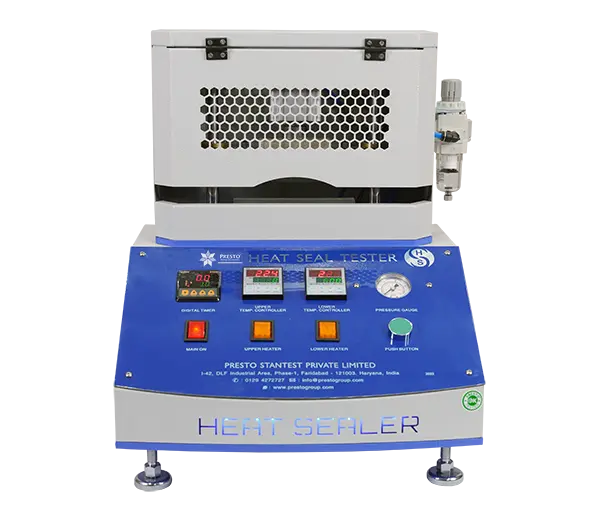
Hot tack testing plays a crucial role in evaluating the immediate sealing strength of flexible packaging materials. In modern packaging industries, especially food, pharmaceutical, and consumer goods sectors, strong and reliable seals are essential to ensure product safety, shelf life, and quality. The process helps manufacturers determine how well packaging films perform right after sealing, even before they fully cool. For this purpose, a Heat Seal tester is widely used to measure seal integrity under controlled conditions and ensure consistent packaging performance.
Understanding Hot Tack Testing
Hot tack testing refers to the measurement of seal strength immediately after heat sealing while the material is still hot. This property is important because freshly sealed packages often experience stress during filling, transport, or handling. If the seal fails at this stage, it may cause leakage or contamination. According to standard testing methods, the test involves sealing plastic films at controlled temperature, pressure, and time, followed by applying tension to evaluate seal strength before cooling.
A Heat Seal tester helps replicate real packaging conditions and ensures that sealing parameters are optimized for performance and reliability.
Importance of Heat Seal Strength in Packaging
Heat seal strength determines how effectively two layers of thermoplastic material bond together. Strong seals prevent product spoilage, leakage, and external contamination. Industries such as food packaging, pharmaceuticals, and cosmetics rely heavily on proper seal strength to maintain product integrity.
A Heat Seal tester is commonly used in laboratories and quality control departments to check sealing performance. It enables manufacturers to analyze how materials behave under heat and pressure, ensuring that packaging meets industry standards.
Working Principle of Hot Tack Testing
The hot tack test typically involves the following steps:
- Two sample films are placed between heated sealing jaws.
- Controlled temperature, pressure, and dwell time are applied.
- Immediately after sealing, the sample is pulled apart.
- The force required to break the seal is recorded.
This method simulates actual packaging conditions, especially in high-speed packaging lines where cooling time is limited.
Using a Heat Seal tester, manufacturers can precisely measure seal strength and optimize sealing parameters for consistent quality.
Applications Across Industries
Hot tack testing is widely used in several industries where packaging reliability is critical:
- Food packaging for snacks, dairy products, and ready-to-eat meals
- Pharmaceutical packaging such as blister packs and sachets
- Consumer goods packaging like detergents and cosmetics
- Medical device packaging requiring sterile seals
A Heat Seal tester ensures that packaging materials maintain proper seal strength in these applications, reducing the risk of product damage.
Role of Prestogroup in Packaging Testing
Prestogroup is a recognized manufacturer of advanced testing instruments for packaging and material evaluation. The company offers high-precision equipment designed to meet industry standards and provide accurate testing results.
A Heat Seal tester from Prestogroup helps evaluate hot tack performance, peel strength, and sealing durability. These instruments support research laboratories and production units in maintaining quality control and improving packaging efficiency.
Benefits of Using Hot Tack Testing Equipment
Using modern testing equipment offers several advantages:
- Accurate evaluation of seal strength under realistic conditions
- Optimization of sealing temperature and pressure
- Reduced product wastage due to seal failure
- Compliance with international packaging standards
A reliable Heat Seal tester ensures repeatable test results and helps manufacturers enhance product safety.
Standards and Compliance
Hot tack testing follows internationally recognized standards such as ASTM F1921, which provides guidelines for measuring hot seal strength of thermoplastic materials. These standards help ensure consistent testing procedures and reliable results across industries.
With a properly calibrated Heat Seal tester, companies can comply with these standards and maintain product quality.
Key Parameters Evaluated in Hot Tack Testing
Several important parameters are analyzed during hot tack testing:
- Sealing temperature range
- Pressure applied during sealing
- Dwell time for heat exposure
- Immediate seal strength after sealing
A Heat Seal tester allows precise control over these variables, helping manufacturers achieve optimal packaging performance.
Future Trends in Packaging Seal Testing
As packaging technology evolves, demand for accurate seal strength testing continues to grow. Automation, digital monitoring, and advanced sensors are improving testing efficiency. Modern instruments now offer touchscreen interfaces, data logging, and automated test cycles.
Companies like Prestogroup continue to innovate by providing advanced solutions such as the Heat Seal tester, supporting industries in maintaining high packaging standards.
Conclusion
Hot tack testing is an essential process for evaluating heat seal strength in flexible packaging materials. It ensures that packages maintain integrity immediately after sealing, preventing product loss and contamination. With the help of advanced equipment like the Heat Seal tester, manufacturers can optimize sealing parameters, improve product safety, and meet international quality standards.
Prestogroup provides reliable testing solutions that help industries achieve consistent packaging performance and enhanced durability. By incorporating effective hot tack testing practices, businesses can ensure strong, dependable seals and deliver high-quality packaged products to consumers.
