

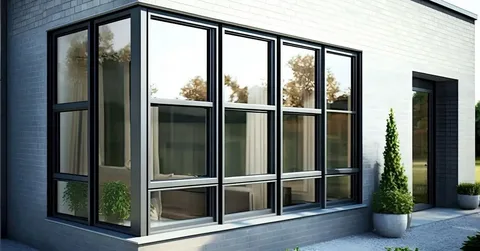
Windows are one of the most significant elements in any building. They control the flow of natural light, provide ventilation, and enhance aesthetic appeal. More than just functional components, windows contribute to the character and style of interiors and exteriors. The material used in window frames is critical in achieving a balance of strength, durability, and visual elegance. Among the available materials, aluminium stands out. High-quality aluminium profiles for windows offer a combination of structural integrity, design flexibility, and modern appeal, making them a preferred choice for architects, designers, and homeowners.
Slim and Elegant Frames for Modern Interiors
One of the key advantages of aluminium profiles for windows is the ability to create slim, minimalistic frames without compromising strength. Aluminium is strong yet lightweight, enabling manufacturers to design thin but durable frames capable of supporting large glass panels.
These slim frames maximize the glass-to-frame ratio, resulting in windows that allow abundant natural light while maintaining unobstructed views. Interiors feel more open, airy, and modern, enhancing the perception of space. From minimalist apartments to contemporary offices and luxury villas, aluminium frames allow creative freedom for designers, helping them achieve bold and elegant window designs.
Floor-to-ceiling glazing becomes feasible with aluminium profiles, creating a seamless connection between indoor and outdoor spaces. Large glass expanses invite daylight into living areas, promoting a healthy and vibrant atmosphere.
Versatility in Design: Shapes and Finishes
Aluminium profiles for windows are extremely versatile, offering virtually unlimited design possibilities. The extrusion process enables profiles to be shaped into various cross-sections to suit specific project requirements. This flexibility allows the creation of sliding windows, casement windows, multi-pane structures, and complex custom designs.
Aluminium also allows for a wide range of finishes. Through powder coating, anodizing, and other surface treatments, frames can achieve metallic sheens, vibrant colors, or wood-like textures. This ensures the frames complement architectural styles and interior designs, whether modern, industrial, or traditional. Aluminium’s adaptability turns window frames into aesthetic highlights rather than merely functional elements.
Strength and Long-Lasting Durability
Durability is another significant advantage of aluminium profiles for windows. Aluminium resists corrosion, does not warp or rot like wood, and is impervious to rust, unlike steel. This makes it ideal for various climates and ensures longevity even in harsh environmental conditions.
The high strength-to-weight ratio allows aluminium to support large glass panels without bulky frames. Thin yet strong frames withstand repeated opening and closing cycles, wind loads, and thermal expansion stresses. Low-maintenance aluminium profiles only require simple cleaning with water and mild detergent to retain their appearance, reducing long-term upkeep costs.
Energy Efficiency and Thermal Performance
In modern construction, energy efficiency is a crucial consideration. Aluminium profiles for windows often include thermal breaks, which act as barriers between interior and exterior surfaces, reducing heat transfer. This design minimizes energy loss, maintaining comfortable indoor temperatures and lowering heating and cooling costs.
When combined with double or triple glazing and low-emissivity glass coatings, aluminium window systems provide excellent insulation. Proper sealing and weather-stripping further prevent air and water leakage, enhancing thermal comfort while protecting interiors from drafts and moisture. Aluminium profiles ensure that windows contribute to energy efficiency without compromising aesthetics.
Security and Safety Benefits
Aluminium frames also enhance the security of buildings. Their inherent strength allows for robust locking systems and reinforcement, making windows harder to breach compared to other materials. Aluminium’s durability ensures that these frames maintain structural integrity over time, providing lasting protection against forced entry.
Moreover, aluminium profiles are designed to accommodate modern safety features, such as tempered glass, laminated glass, and multi-point locking mechanisms. These integrations make aluminium windows both safe and stylish, addressing practical concerns without compromising design appeal.
Environmental Sustainability
Sustainability is increasingly important in architecture and design. Aluminium is a recyclable material that can be reused repeatedly without losing quality. Recycled aluminium requires significantly less energy than primary production, reducing environmental impact.
The long lifespan, low maintenance requirements, and recyclability of aluminium profiles for windows make them a responsible choice for eco-conscious projects. By selecting aluminium windows, designers and homeowners contribute to sustainable building practices while enjoying durable and high-performing materials.
Enhancing Acoustic Performance
Another advantage of aluminium window profiles is their ability to improve acoustic insulation. Well-designed aluminium frames, when combined with quality glazing, reduce noise transmission from the outside environment. This is particularly beneficial in urban areas or locations with high ambient noise. Quiet interiors improve comfort, productivity, and overall well-being, making aluminium profiles a preferred choice for modern residential and commercial buildings.
Low Maintenance and Longevity
Unlike other materials, aluminium requires minimal maintenance. Regular cleaning is sufficient to maintain aesthetics and performance. The resistance to corrosion, warping, and rust ensures that aluminium window frames remain functional and attractive for decades. This long-term reliability reduces replacement costs and provides homeowners with a worry-free experience.
Combining Functionality and Style
Aluminium profiles for windows merge functionality with aesthetics. They support large glass areas, provide design versatility, ensure energy efficiency, offer security, reduce maintenance, and promote sustainability. This combination makes aluminium an ideal choice for contemporary architecture, offering both practical performance and visual appeal.
Whether designing modern homes, office spaces, or commercial buildings, aluminium window frames create a striking balance of style and practicality. Large glazing surfaces framed by sleek aluminium profiles maximize natural light, enhance views, and contribute to energy efficiency, proving that design and function can coexist seamlessly.
Conclusion
In modern architecture and conscious building design, aluminium profiles for windows stand out as a smart, elegant, and sustainable choice. Their slim, customizable frames deliver striking aesthetics, minimal or bold, while offering durability, thermal efficiency, low maintenance and security. Aluminium windows seamlessly blend form and function, allowing you to enjoy natural light, great views, indoor comfort and energy savings.
If you’re looking for tailored aluminium extrusion solutions for window frames, JM Aluminium offers expansive expertise and a huge profile library to meet everything from sleek minimalist windows to custom architectural designs. With their manufacturing capabilities, you can get high‑quality aluminium window profiles crafted to your exact needs, merging design beauty with structural strength and performance.
