

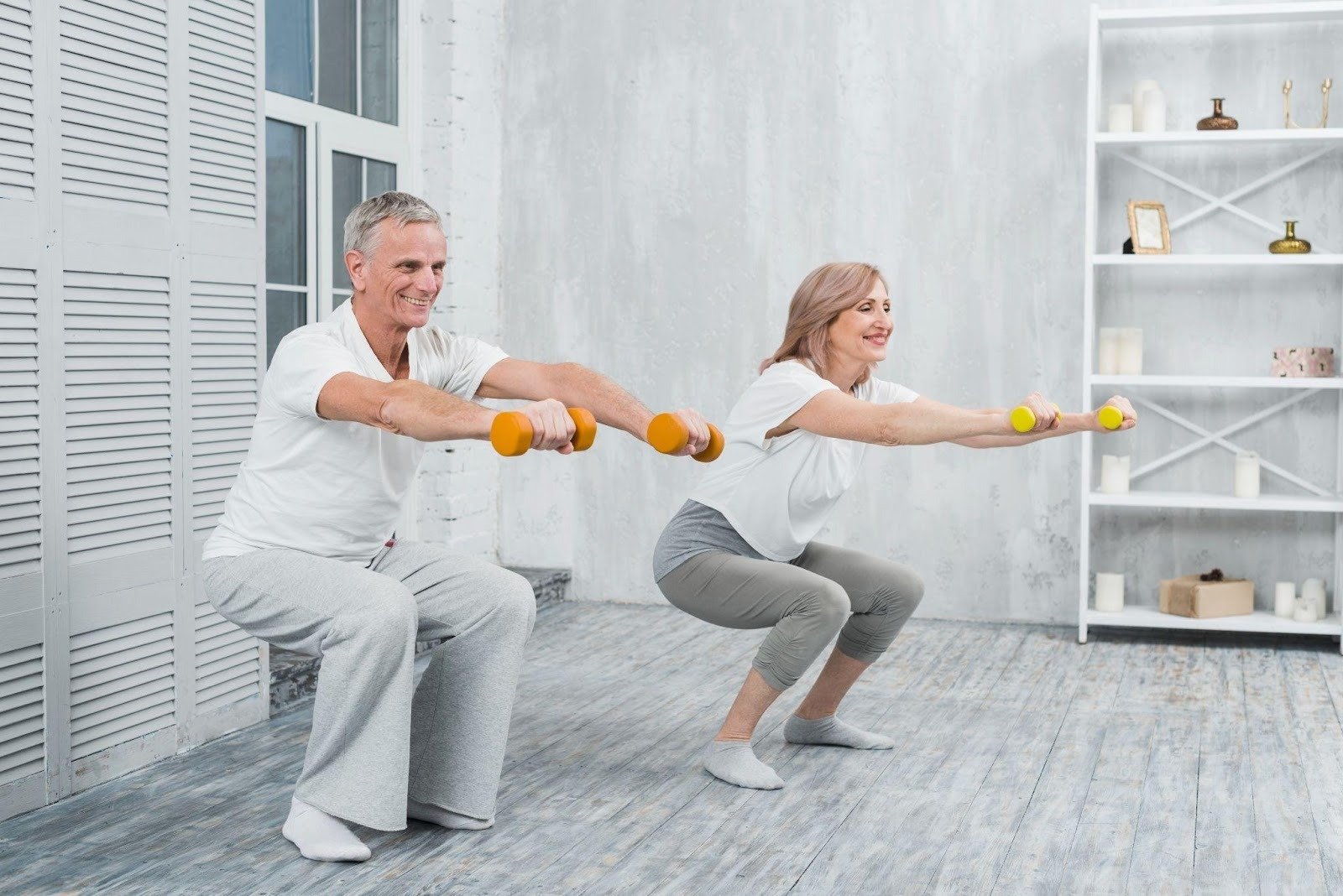
Aging brings a variety of unique physical challenges, including reduced muscle mass, slower reflexes, joint stiffness, and balance issues. These changes can make everyday activities more difficult and increase the risk of falls or injuries. Maintaining mobility, strength, and independence is essential for seniors who want to enjoy a high quality of life. However, many older adults struggle to find safe and effective ways to stay active without professional guidance. Certified personal trainers for seniors play a crucial role in addressing these challenges by providing expert, age-appropriate fitness programs. They focus on enhancing strength, stability, flexibility, and overall functional fitness through structured and personalized routines. Beyond physical improvements, these trainers help seniors regain confidence, build resilience, and reduce the risk of injuries.
This blog explores how certified personal trainers for seniors enhance strength, balance, and independence, providing tailored strategies to help older adults stay active, safe, and confident in their daily lives.
Personalized Strength Training to Combat Muscle Loss
Building and maintaining muscle strength is crucial for seniors to perform daily tasks safely. Targeted resistance exercises guided by a certified trainer help restore muscle mass, improve endurance, and enhance overall physical capacity.
- Customized Resistance Exercises: Trainers create resistance-based routines that target muscle groups most affected by aging. These exercises strengthen legs, arms, and core, improving overall functional strength. Seniors gain the ability to perform daily activities with greater ease and confidence.
- Progressive Load Management: Exercise intensity is gradually increased to promote safe and steady muscle growth. This prevents overexertion while challenging the body effectively. Seniors build strength progressively, minimizing the risk of injury.
- Functional Strength Focus: Workouts replicate everyday movements such as lifting, bending, or reaching. This ensures that seniors maintain independence and self-sufficiency in daily tasks. Exercises are practical, relevant, and directly enhance quality of life.
- Injury Prevention Techniques: Trainers emphasize proper form, controlled movements, and safe exercise execution. This reduces the likelihood of strains, sprains, or falls. Seniors can exercise confidently, knowing safety is prioritized.
- Motivation Through Measurable Progress: Trainers track progress and set achievable milestones for each client. Regular feedback demonstrates tangible improvements in strength and endurance. This motivates seniors to remain consistent and committed to their fitness journey.
By targeting muscle deterioration early, certified trainers help seniors maintain energy, agility, and the confidence to handle everyday challenges independently.
Enhancing Balance and Stability for Safer Mobility
Balance and stability are essential for preventing falls and sustaining independence. Trainers implement specialized exercises that strengthen the core and improve coordination, helping seniors move confidently in everyday environments.
- Core Strength Development: Exercises targeting the core muscles enhance posture, stability, and overall control during movement. Strengthening the core supports the spine and reduces the risk of back injuries. This foundation improves balance, coordination, and efficiency in everyday activities.
- Balance-Specific Drills: Trainers implement exercises like single-leg stances, stability ball routines, and coordination drills to safely challenge equilibrium. These drills improve reaction time and body awareness. Seniors gain confidence in moving without fear of losing balance.
- Fall Prevention Strategies: Programs identify and address high-risk factors such as uneven gait, poor reflexes, and weak muscles. Targeted exercises strengthen key areas that prevent falls. This proactive approach significantly lowers the likelihood of injury in daily life.
- Adapted Equipment Use: Trainers incorporate tools like resistance bands, foam pads, and balance boards designed specifically for seniors. Equipment is carefully chosen to match individual abilities and safety needs. This ensures effective workouts without unnecessary strain or risk.
- Real-Life Mobility Integration: Training focuses on functional movements that seniors encounter daily, such as climbing stairs, bending, and reaching. Exercises mimic real-life challenges to improve efficiency and safety. This approach enhances independence and confidence in everyday activities.
Balance training not only prevents accidents but also boosts confidence in mobility, giving seniors the freedom to stay active in their homes and communities.
Building Confidence and Independence Through Holistic Training
True fitness goes beyond physical strength; it also nurtures mental confidence. Trainers equip seniors with the knowledge, skills, and motivation to perform daily tasks safely while fostering self-reliance and overall wellness.
- Customized Goal Setting: Trainers collaborate with seniors to identify realistic fitness and lifestyle objectives. They create personalized programs that align with individual priorities and health conditions. This ensures that every session is purposeful and progress is measurable, fostering motivation and commitment.
- Skill Development for Daily Activities: Beyond traditional workouts, trainers focus on practical movements that enhance independence. Seniors learn safe techniques for activities such as carrying groceries, bending, or climbing stairs. These skills translate into improved confidence and reduced risk of injury during daily life.
- Mental and Emotional Engagement: Structured exercise routines provide a sense of accomplishment with each milestone achieved. Seniors experience reduced stress and anxiety related to physical limitations. Consistent engagement also promotes mental clarity, motivation, and a positive outlook on active living.
- Social Interaction Benefits: Whether in group sessions or one-on-one training, seniors enjoy meaningful social engagement. Interaction with trainers and peers combats isolation and fosters a sense of community. This social connection enhances emotional well-being and encourages continued participation in fitness programs.
- Empowerment Through Knowledge: Seniors learn proper techniques, effective exercise methods, and safe recovery strategies. Trainers also provide guidance on nutrition, hydration, and lifestyle habits that support fitness goals. This knowledge empowers seniors to maintain independence and confidently manage their long-term health.
This holistic approach ensures that seniors are not only physically stronger but also confident in their ability to live independently and actively.
Final Thoughts
Prioritizing fitness in later years is no longer optional; it is a necessity for maintaining strength, balance, and independence. By working with the best personal trainer, older adults can access expert guidance tailored to their unique needs. Structured strength, balance, cardiovascular, and flexibility programs safeguard against injuries while enhancing everyday mobility. Beyond physical improvements, professional trainers empower seniors with confidence, motivation, and a deeper understanding of their health.
For seniors looking to embrace an active and independent lifestyle with professional guidance, exploring specialized senior fitness programs, such as those offered by WeTrain, provides more than just exercise. With expert support, seniors can enjoy a transformative journey toward enhanced mobility, confidence, and long-term well-being, fostering both physical and mental vitality.
