

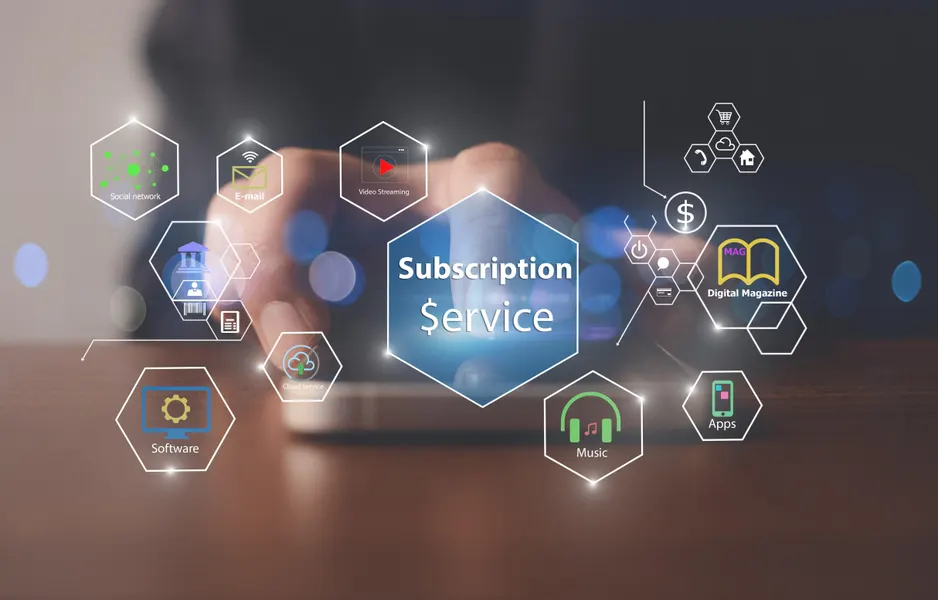
At first, digital subscriptions used to be something you associated only with entertainment or software. But over the last few years, they’ve quietly transformed everyday physical products too! This has changed the way products are designed, sold, used, and even repaired. In exploring how this shift happened and what it means for the future, you can see how much the market has evolved. Business ecosystems like Mark Sellar’s business portfolio show how recurring-value frameworks are influencing the next generation of products, partnerships, and services.
The Subscription Shift: From Digital Services to Physical Life
The subscription economy began with streaming and software. But as consumers got used to predictable monthly payments, their mindset expanded with frictionless access, and continuous updates. Today, people subscribe to groceries, razors, educational toys, air filters, fitness gear, protein shakes, pet food, and even car features.
Consumers didn’t suddenly want more subscriptions; they wanted less friction.
Three movements made the shift natural:
- Convenience became more important than ownership.
People want products that arrive automatically, update automatically, and stay relevant without manual effort. - Predictable spending feels safer than one-time, heavy purchases.
Subscription models smooth out costs in a way that suits modern budgeting habits. - Products now have a service layer attached to them.
Sensors, apps, coaching, analytics, delivery cycles, all these physical items now behave like software.
These changes have pushed companies to rethink not just pricing, but how products are engineered and maintained.
Why Physical Products Are Moving Into Subscription Models
For companies, the biggest reason is clear: recurring revenue gives stability. But in reality that’s only one part of the story.
The deeper shift is about how people engage with products.
1. Products that evolve create longer relationships
A one-time purchase ends at the sale. A subscription continues the conversation.
Examples show up everywhere:
- Fitness hardware with app memberships
- Coffee machines tied to capsule deliveries
- Water filters with automated replacements
- Grooming tools with blade subscriptions
- Smart appliances requiring updates and remote monitoring
These create ecosystems, not standalone items.
2. Subscriptions pay for ongoing improvements
Customers expect updates, better designs, faster service, and continuous refinement. Subscription revenue funds that cycle.
3. The barrier to entry becomes lower
A product that once cost $500 upfront may now require a $350 monthly subscription, instantly expanding the market.
4. Companies get direct access to users
They don’t rely on retail shelves or third-party distributors. Subscriptions create a direct technical relationship with customers. This makes the feedback loops far more efficient.
How Subscriptions Change Product Design Itself
When companies sell a product once, they design for a single moment of purchase. When they sell a product with a subscription, they design for months and years of interaction.
This leads to a different kind of thinking:
1. Design for durability and repeat use
Products must be stable enough to support long-term relationships, but modular enough to receive updates or replacements.
2. User experience matters more than packaging
Ease of setup, app experience, maintenance, and customer support suddenly become core to the product, not afterthoughts.
3. Built-in update cycles become normal
Just like software, product features evolve.
New modes, new data insights, new accessories, customers expect growth.
4. Onboarding becomes a key part of the design
If a customer doesn’t understand how to use the product in the first week, they cancel.
This changes packaging, tutorials, app UX, and support systems.
5. Data shapes the entire development cycle
What used to take months of surveys is now captured instantly through usage patterns.
Companies can see:
- Where users struggle
- Which features are ignored
- When engagement drops
- What motivates retention
Design decisions stop being guesses and become data-backed.
Not Every Product Should Become a Subscription
Some companies force subscriptions where they don’t belong—leading to backlash and cancellation.
Subscription models only work when:
- The product genuinely adds repeat value
- There is an ongoing service or consumable
- Customers feel the upgrade path is continuous
- Pricing aligns with real usage
- There is transparency around what the subscription actually buys
Consumers are now smart enough to recognize when they’re paying for nothing but a locked feature.
Why Subscription Models Grow Faster Than Traditional Sales
Once a good subscription model is in place, companies see multiple benefits that traditional sales can’t match.
1. Predictable recurring revenue
Investors prefer it, operations plan around it, and product teams rely on it.
2. Lower cost of customer conversion
Instead of starting fresh with each sale, companies nurture the same customer for months or years.
3. Easier to forecast growth
Cancellations, retention cycles, and upgrade patterns create clearer projections.
4. Higher customer lifetime value
Even if the product’s upfront price is low, subscriptions allow companies to earn more over time.
5. Faster experimentation
If something isn’t working, companies can update features, adjust pricing, or launch new versions without redesigning everything.
Subscriptions create a playground for iteration.
The Future: Subscription Ecosystems Rather Than Single Products
The trend isn’t going to set on “one product, one subscription.” The next will be bundles and ecosystems.
Examples are already visible:
- A smart fitness device + training app + nutrition plans
- A home appliance + filter-cycle + technician visits + extended warranty
- A mobility subscription that covers vehicle access, insurance, and upgrades
- Beauty products + diagnostic app + refills customized to skin cycles
Instead of customers juggling multiple brands, ecosystems let them stay inside one loop that grows in value over time.
Closing Thoughts
Digital subscription models have quietly been changing how everyday products enter our homes. It has affected how we pay for them, and how they evolve. As long as companies continue offering real, ongoing value, not just locking features behind paywalls, subscriptions will keep expanding across categories. As brands rethink their long-term strategies, ecosystems similar to the Mark Sellar’s business portfolio highlight how recurring-value thinking can help businesses stay adaptable in a fast-changing digital economy.
