

Brand names affect what people buy more than they realize every single day. Colors and logos trigger feelings that make certain foods seem tastier than others. Food branding psychology uses science to understand how our brains make purchase decisions. Companies spend millions learning which designs make customers reach for their products first. Research shows 73% of buyers choose familiar brands over unknown options automatically. Simple changes in wrapping can increase sales by 30% within just weeks. Understanding these tricks helps both businesses grow and shoppers make smarter buying choices.
Why Do Colors Matter in Food Brand Identity?
Red makes people feel hungry and excited about eating something right away. Yellow creates happiness and grabs attention faster than any other color around us. Green tells buyers that products are healthy and natural without saying actual words. Blue reduces appetite which explains why few food brands use this color often. Food branding psychology proves that color choices directly affect how much people purchase. Fast food chains pick red and yellow because these colors make customers hungry. Switching Wrap colors can completely change how shoppers view a product instantly.
How Do Logos Create Trust With Buyers?
Simple logos stick in memory better than complicated designs with too many details. Rounded shapes feel friendly while sharp angles seem modern and exciting to customers. Familiar logos make people feel safe choosing products they recognize from childhood memories. Studies show customers trust brands with consistent logos more than ones that change. Food companies protect their logos like treasure because recognition drives repeat purchases daily. A good logo works across all sizes from tiny labels to giant billboards. Brand loyalty often starts with a logo that connects to positive eating experiences.
What Role Does Wrapping Shape Play in Sales?
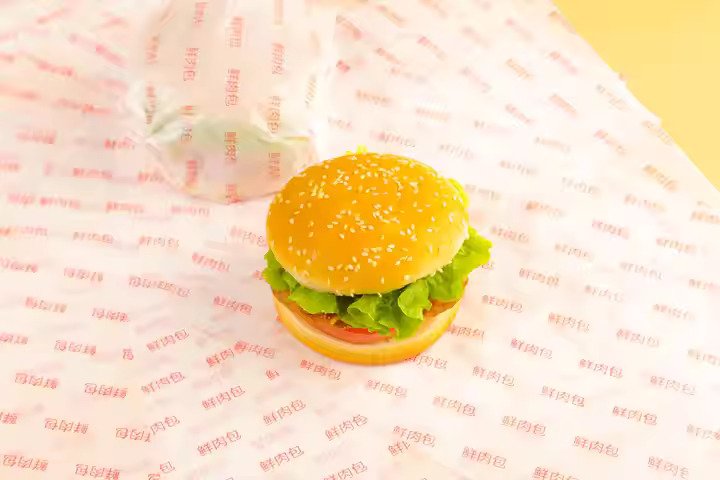
Unique box shapes stand out on crowded store shelves better than standard rectangles. Tall Wraps look like they contain more product than short wide ones. Transparent windows let customers see actual food which builds confidence before buying anything. Resealable Wraps suggest freshness and convenience that busy families need for daily life.Burger wrapping with custom branding turns ordinary items into memorable experiences customers want again. Eye level placement combined with distinctive shapes increases impulse purchases by 25% easily. Shape psychology makes identical products seem completely different based only on their boxes.
How Do Brand Names Affect Taste Perception?
People rate identical foods as tastier when they come from well known brands. Fancy sounding names make customers expect higher quality even before tasting a bite. Short catchy names are easier to remember and recommend to friends later on. Made up words create curiosity while real words tell customers what to expect. Food branding psychology shows that names trigger memories and emotions about past experiences. Premium brands use elegant names while budget options choose simple straightforward labels instead. Changing a product name alone can boost sales without altering actual recipes inside.
Why Does Brand Story Matter to Modern Customers?
Shoppers want to know where their food comes from and who makes it. Family owned businesses attract customers who value tradition and authentic cooking methods today. CA brands often highlight local ingredients to appeal to community pride and support. Companies that share their history create emotional connections that go beyond just taste. Younger buyers especially care about brand values like sustainability and fair worker treatment. WaxPapersHub helps small businesses tell their stories through professional branded wrapping solutions now. Authentic narratives turn one time buyers into loyal fans who defend brands online.
How Does Celebrity Endorsement Change Buying Behavior?
Famous people make products seem more desirable even when they have no expertise. Kids ask parents to buy foods that their favorite athletes or actors promote. Celebrity partnerships can triple brand awareness within months of launching campaigns together successfully. However fake endorsements damage trust permanently when customers discover lies about actual usage. Food branding psychology explains why seeing celebrities with products creates aspirational purchase decisions. Smart brands choose celebrities whose values match their target customer groups perfectly well. A single social media post from a star can sell out inventory overnight.
What Makes Limited Edition Products Sell Faster?
Scarcity creates urgency that pushes people to buy before items disappear from shelves. Special flavors or designs make customers feel like they own something unique. Limited releases generate free publicity through social media posts and word of mouth. Collectors buy multiple items to save or resell which increases overall sales numbers. Food paper used for limited editions often features special prints that fans want. This strategy works because people fear missing out on experiences their friends enjoy. Brands can charge higher prices for limited items because perceived value increases dramatically.
Can Small Brands Compete With Major Companies?
Small businesses prosper by providing quality and personal attention to their customers, unlike the big chains. Real stories connect better than corporate marketing that always seems fake and scripted. Social media also allows small brands to reach thousands of people without pouring millions into advertising budgets. Unique tastes or ingredients can provide small companies with a niche in today’s crowded competitive markets. Direct to consumer relationships breed loyalty that endures even when larger brands discount. Food branding psychology can be leveraged by any scale company with a deep understanding of their customer. Consistent, honest communication breeds trust, not large budgets for marketing campaigns.
Conclusion
Food branding psychology shapes every purchase decision we make inside stores and online. Colors and logos trigger emotional responses that override logical thinking about actual value. Understanding these techniques helps customers make choices based on real preferences instead of manipulation. Small businesses can use branding science to compete successfully against much larger competitors. Consistent visual identity across all materials builds recognition that drives long term business growth. Authentic brand stories create connections that transform casual buyers into passionate loyal supporters. Every element from names to Wrap shapes works together to influence what ends up in shopping carts daily.
