

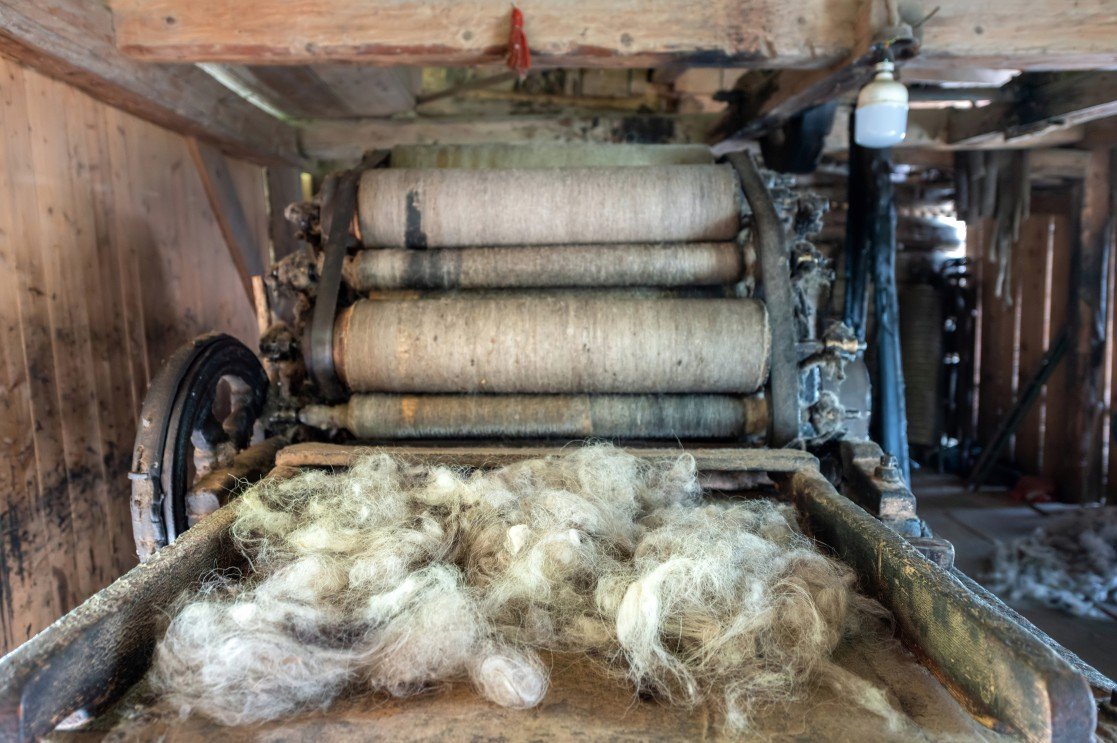
The demand for sustainable and natural fibers is growing rapidly across the textile and industrial sectors. Among these fibers, hemp and flax are gaining popularity due to their strength, durability, and low environmental impact. With the help of advanced hemp processing machines, raw fibers can now be converted into cottonized flax and hemp, making them suitable for modern textile applications.
Understanding Cottonized Flax and Hemp
Cottonization is a mechanical process that transforms long, coarse natural fibers like hemp and flax into shorter, finer fibers that closely resemble cotton. This process allows hemp and flax to be spun, woven, and knitted using conventional cotton textile machinery.
Cottonized flax and hemp combine the sustainability of natural bast fibers with the flexibility and softness required for apparel and textile products.
Role of Hemp Processing Machines
A modern hemp processing machine plays a critical role in converting raw hemp and flax stalks into cottonized fibers. These machines are designed to carefully open, clean, refine, and cut fibers while preserving their strength and quality.
Advanced processing systems ensure:
- Efficient fiber separation
- Removal of impurities and woody particles
- Fiber length reduction for cotton-like characteristics
- Consistent quality for downstream textile processes
This technological advancement makes hemp and flax more accessible for large-scale textile production.
Process of Cottonizing Flax and Hemp
The cottonization process involves multiple controlled steps that enhance fiber usability:
- Opening and cleaning of raw fibers
- Mechanical refinement to soften and shorten fiber length
- Blending and homogenization for uniform texture
- Preparation for spinning on cotton systems
Through these steps, cottonized flax and hemp become compatible with existing spinning and weaving infrastructure, reducing the need for new machinery investments.
Applications of Cottonized Flax and Hemp Fibers
Once processed using hemp processing machines, cottonized fibers can be used in a wide range of industries:
- Textiles and apparel (shirts, denim blends, home textiles)
- Technical textiles
- Non-woven applications
- Automotive and insulation materials
- Eco-friendly composites
Their breathability, durability, and natural aesthetic make them ideal for both fashion and industrial use.
Environmental Benefits of Cottonized Hemp and Flax
Cottonized flax and hemp offer significant environmental advantages:
- Lower water consumption compared to cotton
- Minimal chemical usage during cultivation
- Biodegradable and renewable fibers
- Reduced carbon footprint
Using hemp processing machines to produce cottonized fibers supports sustainable manufacturing and helps reduce reliance on resource-intensive raw materials.
Supporting Sustainable Textile Manufacturing
As sustainability becomes a priority, manufacturers are turning to cottonized flax and hemp as alternatives to conventional fibers. Advanced hemp processing machines enable efficient fiber production while maintaining quality and consistency.
This shift not only supports eco-friendly textile manufacturing but also aligns with global circular economy and sustainability initiatives.
Conclusion
The evolution of hemp processing machines has made it possible to produce high-quality cottonized flax and hemp fibers suitable for modern textile applications. By bridging the gap between natural sustainability and industrial efficiency, these technologies are reshaping the future of textile manufacturing.
As demand for sustainable fibers grows, cottonized hemp and flax will continue to play a key role in building a greener and more responsible textile industry.
