

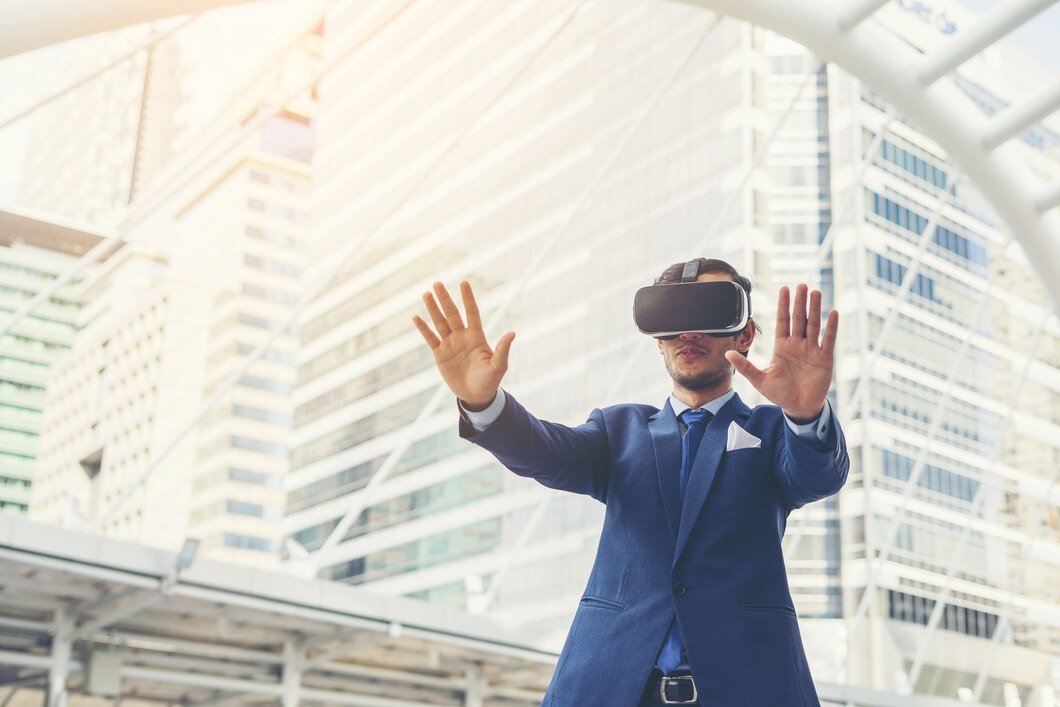
The property market is evolving faster than ever. Digital tools now shape how buyers explore spaces and how developers present them. Among these tools, Virtual Reality in real estate stands out as a significant shift. It changes not only how properties are viewed but also how decisions are made across the globe.
Today, real estate is no longer limited to physical visits. With immersive tools, users can experience spaces remotely, clearly, and confidently. This article explains how VR in real estate works, why it matters, and how it connects with the broader metaverse ecosystem.
The Growing Role of VR in Real Estate Worldwide
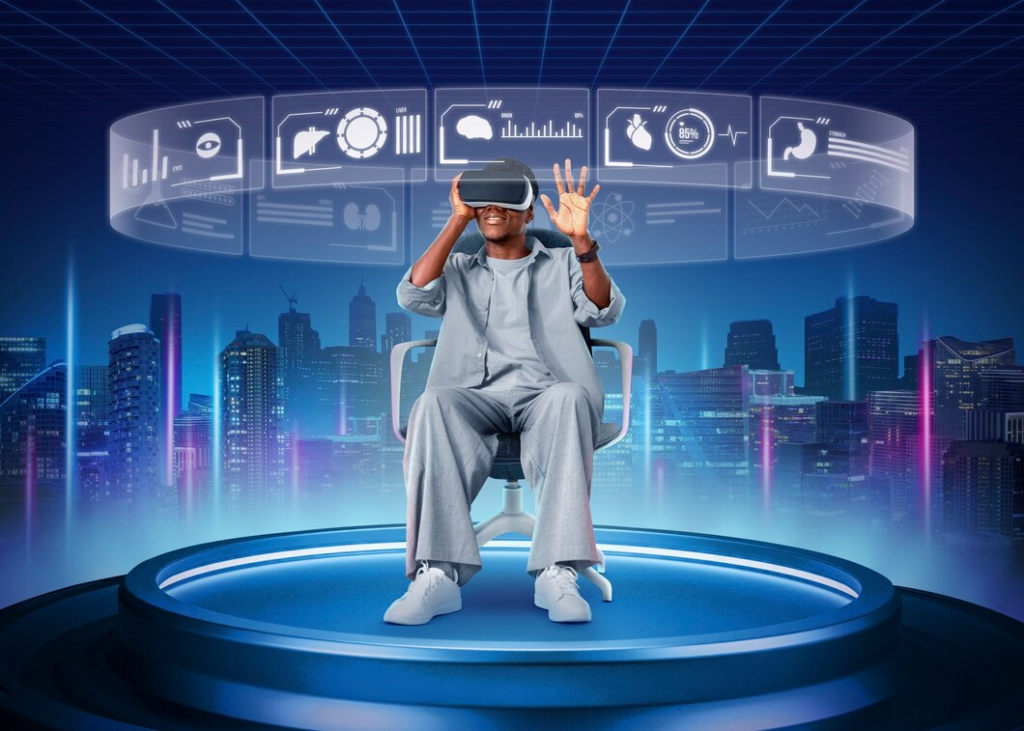
At its core, VR in real estate allows users to walk through a property using a headset or screen. This experience feels close to a real visit. Buyers can explore layouts, finishes, and lighting without traveling.
Virtual reality in real estate reduces uncertainty. It helps buyers visualize properties that are still under construction. For sellers, it shortens sales cycles and widens reach. International buyers can now explore properties from anywhere.
As adoption grows, VR in real estate is becoming a standard tool rather than a novelty. It fits well with modern expectations of speed, clarity, and convenience.
Why Virtual Reality in Real Estate Improves Buyer Confidence
One major challenge in property buying is imagination. Floor plans and images often fail to convey scale. Virtual reality in real estate solves this problem by offering full spatial awareness.
Buyers can:
- Walk through rooms at their own pace
- Check views from balconies and windows
- Understand room flow and proportions
Because of this, VR in real estate improves trust. Buyers feel more informed before making decisions. This confidence is especially valuable in high-value or international transactions.
Hyper Realistic Metaverse and Property Visualization
The idea of a Hyper Realistic Metaverse takes immersion further. In such environments, digital properties closely match real-world physics, textures, and lighting. This realism makes virtual property tours more effective.
Hyper Realistic Technologies enhance shadows, reflections, and depth. They help users judge space accurately. In the context of VR in real estate, this realism reduces the gap between virtual tours and physical visits.
Some platforms, including environments developed by companies like Vyug Metaverse, focus on creating detailed digital worlds. These platforms aim to reflect fundamental properties with high accuracy. Their role is informational, supporting exploration rather than replacing real-world transactions.
Best Metaverse Platform Choices for Real Estate Use
Choosing the best metaverse platform depends on usability, realism, and scalability. Real estate professionals look for platforms that support detailed environments and smooth navigation.
Many discussions today compare Best Metaverse Platforms based on:
- Visual realism
- Device compatibility
- Customization options
- Integration with existing tools
When VR in real estate is supported by a stable platform, user experience improves. Buyers stay engaged longer, and developers present projects more effectively.
Metaverse Development and Real Estate Innovation
Behind immersive property tours lies strong Metaverse Development. Developers build digital spaces that host properties, users, and interactions. This work requires expertise in 3D design, networking, and real-time rendering.
Metaverse Developers collaborate with architects and real estate firms. Together, they transform blueprints into navigable environments. This collaboration strengthens the role of VR in real estate as a practical business tool.
India has seen growing participation in this space. Several Web 3.0 Companies in India now contribute to global metaverse projects. Their work supports real estate visualization, data ownership, and secure transactions.
Augmented Reality Solutions in Property Marketing
While VR focuses on full immersion, augmented reality solutions enhance real environments. For example, buyers can use phones or tablets to see digital furniture inside actual rooms.
These solutions complement VR in real estate. A buyer might first explore a property virtually. Later, they can use AR tools during a site visit. This layered approach improves understanding and satisfaction.
As AR tools become more accessible, they strengthen the overall immersive ecosystem within real estate.
How VR in Real Estate Supports Developers and Investors
From a business perspective, VR in real estate reduces costs. Developers can showcase projects before construction. Investors can assess potential remotely.
Key benefits include:
- Fewer physical site visits
- Faster decision-making
- Better project communication
Because of these advantages, virtual reality in real estate is now part of long-term planning strategies. It supports transparency and reduces risk across projects.
The Connection Between Web 3.0 and Real Estate VR
The future of VR in real estate is also linked with decentralization. Web 3.0 Companies in India and elsewhere explore secure digital ownership and data sharing.
In metaverse environments, users may one day explore properties, verify records, and interact with developers in one space. While this future is still forming, early steps are already visible through immersive platforms.
Vyug Metaverse, for instance, operates within this evolving landscape by building virtual environments that support exploration and interaction. Its role reflects a broader industry trend rather than a single solution.
Looking Ahead: The Long-Term Impact of VR in Real Estate
As technology matures, VR in real estate will become more refined and accessible. Devices will get lighter. Graphics will feel more natural. Platforms will integrate better with daily workflows.
The combination of XR in real estate, Hyper Realistic Metaverse environments, and strong Metaverse Development will reshape how properties are marketed and understood.
In the end, VR in real estate is not about replacing physical spaces. It is about understanding them better before stepping inside. That clarity is what makes this technology valuable, practical, and here to stay.
