

Understanding the Cost Factors
After a flooding event, one of the most common questions property owners ask is: how much will remediation cost? The price of mould removal in Melbourne varies depending on the extent of contamination, the size of the affected area, and how quickly the issue is addressed. Minor surface mould in a small area will cost significantly less than widespread contamination inside wall cavities, ceilings, and subfloors.
Floodwater accelerates mould growth because it saturates porous materials such as plasterboard, timber framing, carpet underlay, and insulation. The longer moisture remains untreated, the more extensive the remediation process becomes. Early intervention typically results in lower overall costs.
Average Cost Range in Melbourne
While every property is different, general cost estimates after flood damage typically fall into the following ranges:
- Small isolated area (e.g., bathroom wall or small room): $500 – $1,500
- Moderate contamination (multiple rooms or partial structural impact): $1,500–$5,000
- Extensive structural remediation (walls, ceilings, subfloors affected): $5,000 – $15,000+
These figures can increase if demolition, reconstruction, or contents restoration is required. Commercial properties may incur higher costs due to compliance standards and larger floor areas.
Key Factors That Influence Pricing
1. Size of Affected Area
Remediation costs are heavily influenced by the square metreage impacted. Larger contaminated areas require more labour, containment barriers, and drying equipment.
2. Location of Mould Growth
Mould hidden behind walls or under flooring requires controlled demolition to access and treat. Subfloor or ceiling contamination is more labour-intensive than surface treatment.
3. Type of Water Involved
Clean water from a burst pipe differs from contaminated floodwater. Category 2 or 3 water (stormwater or sewage) increases sanitation and safety requirements, raising costs.
4. Drying Requirements
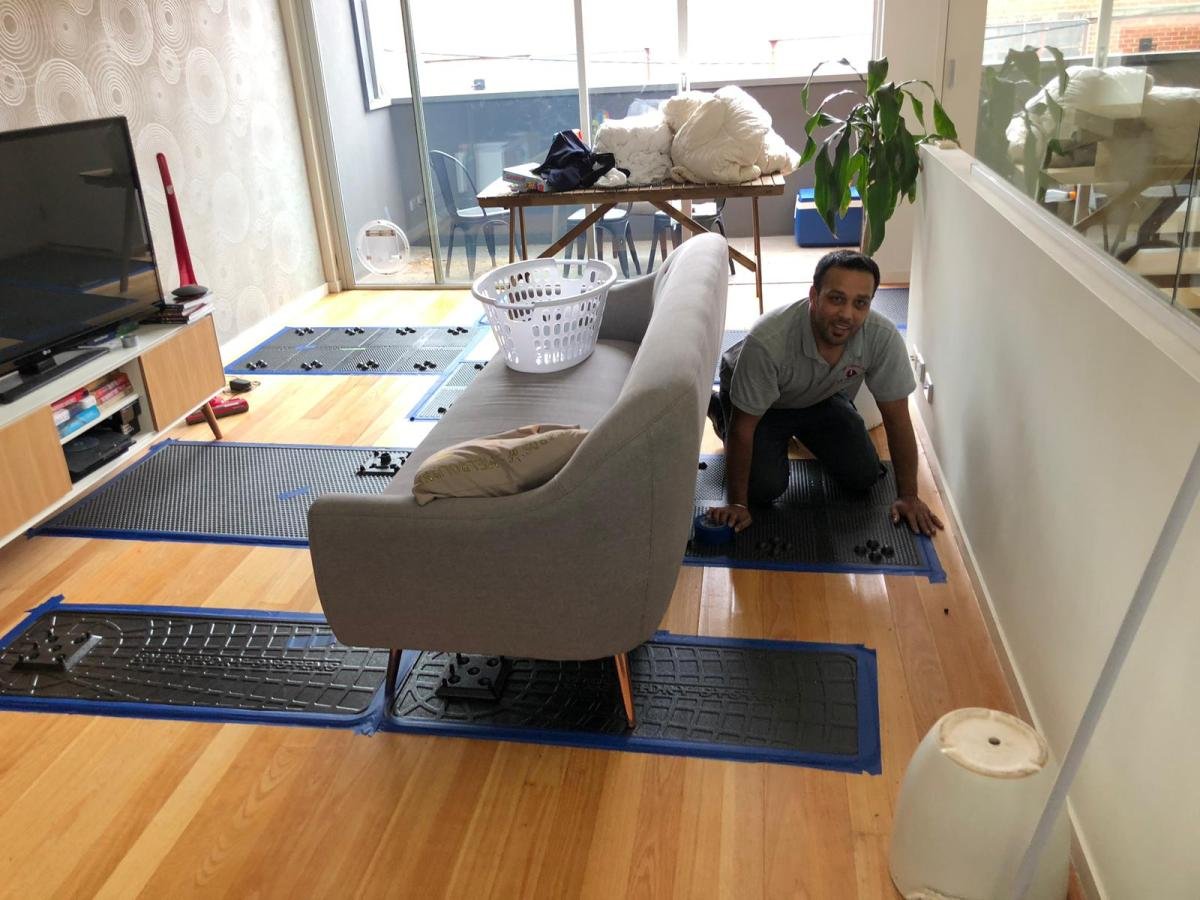
Industrial-grade dehumidifiers and air movers may need to operate for several days to achieve acceptable moisture levels. Equipment hire duration directly impacts total pricing.
5. Post-Remediation Testing
Some property owners request independent air quality testing after treatment to confirm safe spore levels. This adds to overall project costs but provides reassurance and documentation.
Why Delaying Treatment Increases Costs
Many homeowners attempt DIY cleaning after flooding, assuming visible mould can simply be wiped away. However, surface cleaning rarely addresses hidden moisture or airborne spores. Without proper containment and drying, mould often returns—sometimes in more severe form.
Professional mould remediation Melbourne services focus on eliminating contamination at its source. Acting quickly reduces structural damage, minimises demolition, and prevents mould from spreading to unaffected areas. In most cases, early response is significantly more cost-effective than delayed intervention.
Insurance Coverage Considerations
Insurance policies vary depending on the cause of water damage. Sudden and accidental events—such as burst pipes or storm damage—are often covered, including associated mould remediation. However, gradual leaks or lack of maintenance may not be eligible.
Prompt reporting and professional documentation are critical. Restoration specialists typically provide moisture readings, photographs, and detailed reports that support insurance claims.
Protecting Long-Term Property Value
Unresolved mould can reduce property value and complicate future sales. Buyers and building inspectors are increasingly aware of moisture-related risks. Investing in proper remediation not only restores indoor air quality but also protects the structural integrity and marketability of the property.
Final Thoughts
The cost of mould removal after flood damage depends largely on how quickly the problem is addressed and how far contamination has spread. Booking a professional assessment within 24–48 hours of flooding is the most effective way to limit damage, control costs, and restore a safe indoor environment.
If your Melbourne property has experienced water damage, early action is the most financially responsible decision.
