

Performance in modern cars is not measured merely by speed or fuel efficiency. Comfort, refinement, and driving experience also contribute equally to it. It is here that the role of Noise Vibration and Harshness (NVH) proves to be defining. Knowledge about the meaning of NVH, its effects in governing the driving experience, and the way car manufacturers use NVH solutions helps understand why some cars feel smooth to drive, and others are exhausting to drive.
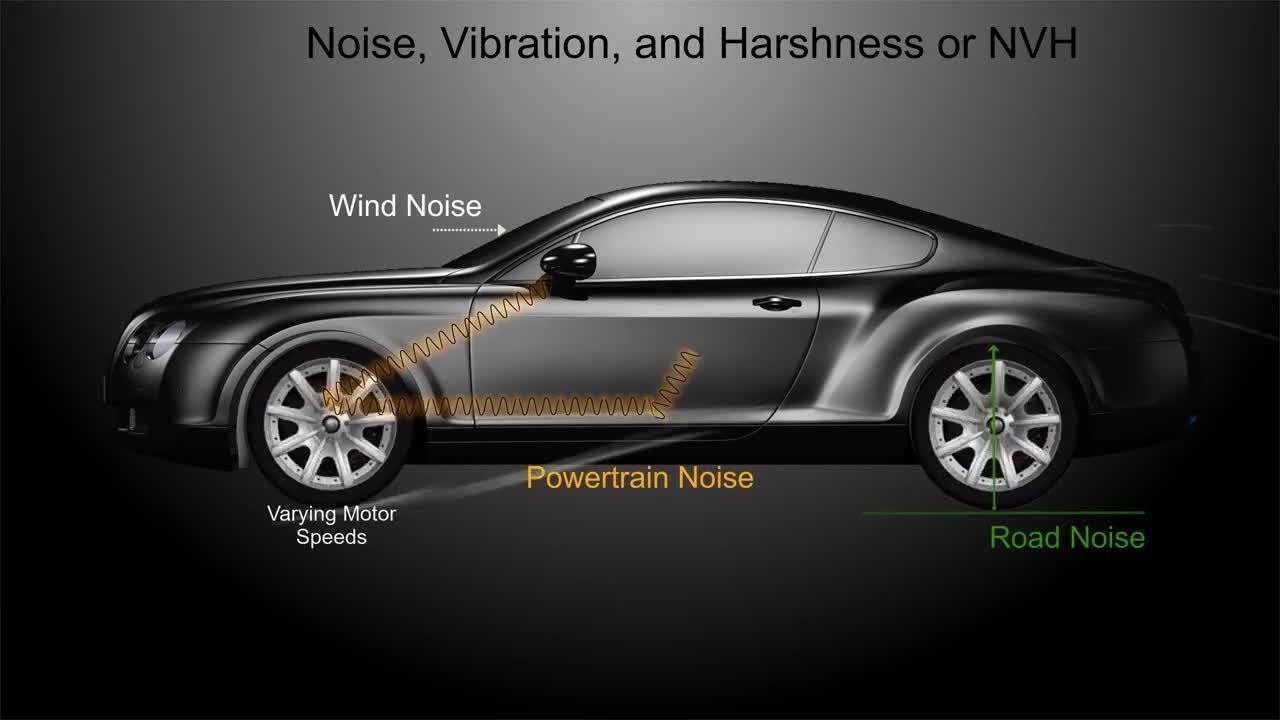
What Is NVH? What Is the NVH Definition in Automotive NVH?
The meaning of NVH stands for Noise, Vibration, and Harshness, a combination of words used in the concept of NVH engineering in automobiles to analyze sound and vibration perception within a car.
In simple terms:
- Noise: Noise means any unwanted sound heard inside or outside the car.
- Vibration is when you feel oscillations via the steering, pedals, and seats
- Harshness is defined as the suddenness or unpleasantness of the vibratory motion.
Taken together, these factors play a defining role in the level of refinement of an NVH vehicle and have a direct relationship with the comfort level of the driver.
The Significance of NVH for Cars’ Performance
1. Effect on Mechanical Efficiency
Poor noise vibration harshness can be an indicator of other mechanical inefficiencies. Vibration can increase wear on moving parts, affect the efficiency of the drivetrain, and contribute to maintenance requirements.
By conducting noise vibration and harshness analysis, engineers can be able to pinpoint weaknesses and imbalances within structures that act as performance-reducing factors.
2. Influence on Handling and Stability
High vibration can affect the steering and suspension characteristics. In sports cars, optimal NVH car tuning provides better road interaction, stability, and driving comfort.
Sound can be generated through various mechanisms such as vibration, turbulence, or excitation. In a car, the four basic causes
NVH’s Effects on Comfort for the Driver
1. Cabin Noise and Fatigue
Constant engine, road, and wind noise can increase driver fatigue, particularly for long drives. A well-designed noise, vibration, and harshness automotive component can isolate these noises, making the environment inside the cabin quieter and more relaxing.
2. Ride Quality and Perception of Luxury
The transmission of vibrations through the seating and pedaling systems leads to reduced comfort as well as a harsh ride. The development used by luxury cars involves heavily absorbing NVH through the incorporation of materials, designs, and powertrains.
NVH and Modern Driving Technology
NVH in Vehicles with Adaptive Cruise Control
Advanced comfort and safety driving functions, including adaptive cruise control, adaptive speed control, and ACC cruise control, are dependent on sensors, actuators, and other electronic systems. If NVH is not managed well, it could give rise to unwanted sounds or vibrations.
For example:
- Braking adjustments and actuator noise
- Vibrations caused by throttle modulation in adaptive cruise controls
- Optimized NVH ensures a smooth running and driving experience.
NVH Performances of Autonomous and Active Cruise Systems
While vehicles are becoming more automated, the role of NVH performance is more prominent in the case of autonomous cruise control, active cruise control, and autonomous cruise control systems.
In semi-autonomous driving:
- Car drivers are more responsive to sounds and vibrations
- “Quiet cabin” enhances automation confidence
- Smoothing responses to system inputs reduces harshness perceptions.
- Noise vibration harshness analysis is critical because such technologies should be natural and trusted by humans.
Important Sources of NVH in Vehicles
- Vibration of Engine and Powertrain
- Noise caused by roads and tires
- Aerodynamic wind noise
- Braking and suspension parts
- Electrical actuators in advanced driver assistance systems
It is important to address these sources in the initial phase of designing the vehicle in order to get optimum performance and comfort.
NVH Solutions Found in Latest Vehicles
Best practices in the area of NVH
- Optimization of structure and lightweight materials
- Superior Insulation and Acoustic Damping Capabilities
- Engine mounts and vibration isolators
- Active Noise Cancellation technologies
- Software solutions for auto-tuning adaptive systems
Background Through the integration of physical design enhancements along with simulations, there are increases in overall vehicle refinement.
Conclusion
NVH as a Key Driver of Comfort and Performance Noise Vibration Harshness (NVH) – whether it’s traditional powertrains or adaptive cruise control and autonomous driving functions – NVH is an essential factor for defining the performance level and comfort of the driver. Effective NVH also helps to enable good performance for advanced car technology. With the advent of smarter and more autonomous vehicles on the road, innovation and research in this area must be focused on. Organizations like the Suzuki R&D Centre in India play an integral part in the development of NVH automotive engineering and related automotive technology.
Frequently Asked Questions (FAQs)
- What does NVH mean in cars?
NVH meaning in cars, refers to Noise, Vibration, and Harshness, which describes how sound and vibration affect comfort, performance, and driving quality.
- Why is NVH important in automotive design?
NVH automotive engineering improves comfort, reduces driver fatigue, enhances vehicle durability, and increases perceived quality.
- How is noise vibration and harshness analysis performed?
Noise, vibration, and harshness analysis uses sensors, simulations, and testing to identify vibration sources, resonance points, and noise paths throughout the vehicle.
- Does NVH affect adaptive cruise control performance?
Yes. Poor NVH control can cause unwanted sounds or vibrations during braking, acceleration, or speed adjustments in adaptive cruise control and adaptive speed control systems.
- Are NVH requirements higher in autonomous vehicles?
Absolutely. Vehicles using autonomous cruise control systems and advanced automation require superior NVH tuning to maintain passenger comfort and build trust in self-driving technologies.
- What are common NVH solutions used by car manufacturers?
Common NVH solutions include acoustic insulation, vibration dampers, structural reinforcement, optimized software control, and active noise cancellation systems.
