

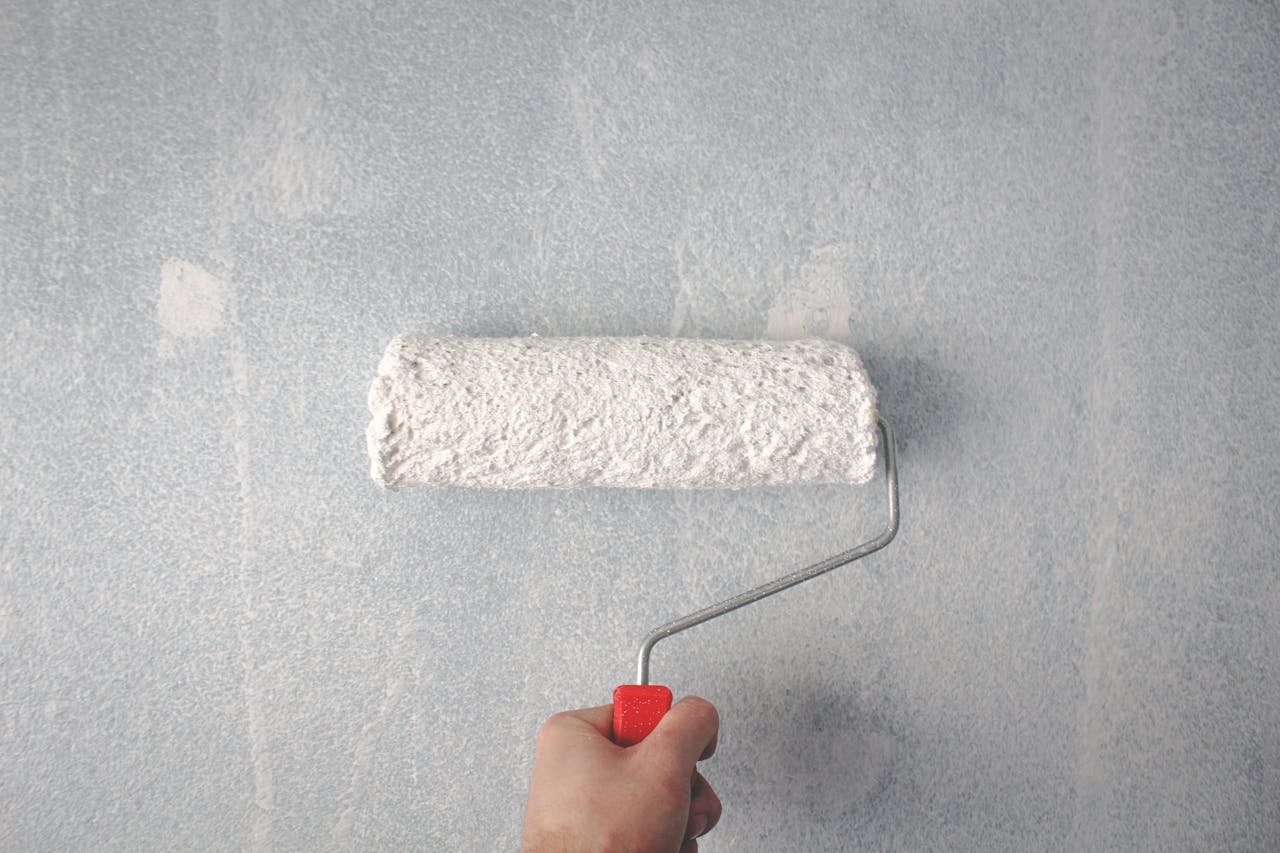
You stand outside your house one random afternoon and squint at it. Something feels… off. Not broken. Not tragic. Just tired. And then the question creeps in quietly like a cat you didn’t invite in. How often should you repaint your home?
There is no clean answer. Anyone who gives you one number and walks away is either guessing or selling something.
Let’s talk through it. Slowly. Slightly messy.
The 5 to 10 Year Rule That Isn’t Really a Rule
You’ve probably heard it. Repaint every 5 to 10 years. Sounds neat. Sounds organized. Real life is not neat.
Exterior paint lifespan depends on climate, surface material, paint quality, and how well the surface was prepared in the first place. A wood sided home in a humid coastal region might need repainting every 5 to 7 years. Stucco in a mild dry climate might stretch to 10 years or more. Brick with painted trim might go even longer.
According to industry surveys from architectural coating associations, premium exterior acrylic paints often last 10 to 15 years under moderate conditions. But moderate conditions are rare. Sun burns. Rain batters. Wind throws dust at your siding like it’s annoyed.
In places with heavy UV exposure, paint breakdown happens faster. The National Oceanic and Atmospheric Administration tracks UV index data across regions, and areas with consistently high UV ratings see faster pigment fading. That’s physics, not opinion.
So if someone says ten years flat, just nod politely and keep asking questions.
Exterior Paint and the Weather Mood Swings
Paint lives outside. It takes heat, cold, humidity, wind, pollution, all of it. Every day.
Temperature swings cause expansion and contraction. Wood siding especially moves with humidity levels. If the paint film cannot flex, it cracks. Cracks let moisture in. Moisture ruins adhesion. Peeling follows like clockwork.
Homes in northern climates with freeze thaw cycles often experience earlier paint failure on trim and window frames. Southern homes with intense sun exposure see more fading and chalking. It’s a different kind of damage, but damage all the same.
I once saw a house that looked fine from the street. Up close, the south facing wall had faded almost two shades lighter than the rest. Sun just decided to play favorites.
If you start noticing chalky residue when you rub your hand across the siding, that’s a sign. Paint breakdown is already underway. You are not early. You are slightly late.
Interior Repainting Is a Whole Different Story
Now inside. Different battle.
Interior walls don’t face rain or UV radiation, but they face people. Kids. Pets. Grease from kitchens. Steam from showers. Scuffs from furniture. That stuff adds up.
In high traffic areas like hallways and living rooms, repainting every 3 to 5 years is common. Bedrooms may stretch to 5 to 7 years. Ceilings can last longer unless moisture or smoke affects them.
The Environmental Protection Agency has documented that indoor air pollutants including cooking byproducts and tobacco smoke can discolor walls over time. Even if you clean regularly, paint slowly absorbs life. That’s not poetic. That’s chemistry.
Bathrooms are tricky. Moisture builds up even with exhaust fans. Lower quality paint may begin to bubble or peel within a few years. Higher quality moisture resistant formulations last longer, but even they aren’t immortal.
If you see mildew stains creeping back after cleaning, it might not be just dirt. It might be time.
Surface Type Changes Everything
Wood siding generally needs repainting more often than fiber cement. Aluminum siding can hold paint longer if properly primed. Stucco tends to retain paint well, but hairline cracks may appear and need patching before repainting.
According to building maintenance guidelines used by housing authorities, painted wood exteriors often require repainting within 5 to 7 years depending on exposure. Fiber cement products sometimes extend to 10 to 15 years with quality coatings.
Brick, if painted, can last a decade or more before repainting is necessary. But moisture trapped behind paint on brick can cause flaking if not properly managed.
So when someone asks how often should you repaint your home, the first counter question should be what is your home made of.
Signs It’s Time Even If the Calendar Says No
Forget the calendar for a second. Look at the house.
Peeling. Cracking. Bubbling. Fading. Chalking. Those are obvious signs. But there are quieter ones.
If caulking around windows is shrinking or cracking, that exposes seams. Water intrusion can follow. Repainting often goes hand in hand with re-caulking to maintain a sealed envelope.
If you see bare wood peeking through, that is not cosmetic anymore. That is protection failing.
Indoors, if cleaning marks leave dull patches or sheen inconsistencies, the paint film may be wearing thin. If you repaint small spots and they flash differently under light, the whole wall might need a refresh.
Sometimes it’s not dramatic. It’s just that the room feels dull. Slightly yellowed. Slightly tired. And you can’t quite explain it.
Cost Versus Waiting Too Long
Home maintenance data collected by housing studies repeatedly show that delayed exterior repainting can lead to higher long term repair costs. When paint fails completely, wood rot risk increases. Repairing siding costs more than repainting it on schedule.
The U.S. Bureau of Labor Statistics tracks home improvement expenditures, and repainting remains one of the more affordable preventive maintenance projects compared to structural repairs.
Wait too long, and you don’t just repaint. You scrape. Sand. Replace boards. Prime heavily. It becomes a project that eats weekends.
I’ve seen homeowners delay repainting to save money. Then end up replacing fascia boards that could have lasted another decade if sealed properly.
Paint Quality and Timing Are Connected
You can’t separate how often you repaint from what you used last time. Higher quality acrylic paints resist fading and cracking longer. They form stronger films. They hold color better.
Lower grade paints often require repainting sooner. Maybe 4 to 6 years instead of 8 to 12 on exteriors, depending on conditions.
So if your last paint job was budget driven, don’t be shocked if the repaint cycle is shorter. Paint remembers what it’s made of. Walls do not lie.
So, How Often Should You Repaint Your Home Really
If you want numbers, here are rough ranges based on common residential patterns:
Wood siding exterior 5 to 7 years
Aluminum siding 5 to 10 years
Stucco 7 to 10 years
Fiber cement 10 to 15 years
Interior high traffic rooms 3 to 5 years
Bedrooms 5 to 7 years
But these are ranges. Not commandments.
Walk around your house once a year. Just look at it. Touch the siding. Check corners. Notice if colors feel uneven. It sounds simple, almost silly, but paying attention beats guessing.
Repainting is not just about fresh color. It’s about protection. It’s about moisture control. It’s about keeping small problems small.
You don’t repaint because a calendar told you. You repaint because your home is quietly asking for it. And if you ignore it long enough, it stops asking and starts showing you why you should have listened.
There’s no perfect year marked in red. Just signs. You either catch them early, or you learn the expensive way.
