

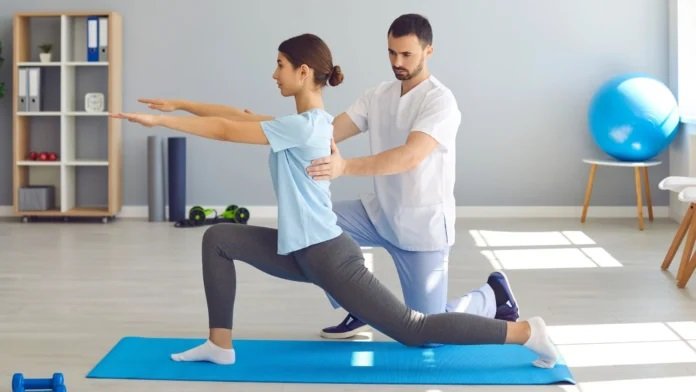
Rehabilitation exercise courses play a vital role in restoring movement, rebuilding strength, and improving daily function after injury, illness, or surgery. Many people assume recovery simply requires rest, but the truth is that targeted, structured movement often accelerates healing, reduces stiffness, and helps restore physical independence far more effectively than inactivity.
These courses are carefully designed to meet individual needs, combining guided exercises, professional supervision, and gradual progression. Instructors focus on proper form, controlled movements, and safe intensity levels, ensuring that each session maximizes benefits while minimizing the risk of re-injury. Over time, participants experience improvements in flexibility, balance, coordination, and muscular strength, allowing them to perform everyday activities with greater ease and confidence.
Additionally, rehabilitation programs often provide education on body mechanics, posture, and safe movement strategies, empowering individuals to continue recovery at home. If you want to move better, feel stronger, and regain control of your physical health, rehabilitation exercise courses offer a comprehensive, supportive, and effective solution for long-term well-being.
What Are Rehabilitation Exercise Courses?
Rehabilitation exercise courses are structured programs designed to restore physical function. Qualified professionals lead these sessions and tailor exercises to support recovery goals.
These courses typically focus on:
- Restoring joint mobility
- Rebuilding muscle strength
- Improving balance and coordination
- Reducing pain and stiffness
- Increasing endurance
- Supporting safe return to daily activities
Unlike general fitness classes, rehabilitation programs prioritize correct movement patterns, gradual progression, and safety.
Why Mobility and Strength Matter in Recovery
Mobility and strength work together. When one declines, the other often follows.
Limited mobility restricts joint movement and muscle activation. Weak muscles reduce stability and increase injury risk. Over time, this combination affects posture, balance, and overall function.
Rehabilitation exercise courses address both issues simultaneously. Participants rebuild strength while improving joint range of motion. This balanced approach leads to smoother, more confident movement.
1. Restores Joint Mobility Through Controlled Movement
Injury or inactivity often causes joints to stiffen. Scar tissue may form. Muscles tighten. Range of motion decreases.
Rehabilitation exercises use slow, guided movements to restore flexibility safely. Instructors focus on proper alignment and controlled transitions. These techniques help:
- Reduce stiffness
- Increase joint lubrication
- Improve circulation
- Restore natural movement patterns
As mobility improves, everyday tasks such as bending, reaching, or climbing stairs become easier.
2. Rebuilds Muscle Strength After Injury or Surgery
Muscle loss occurs quickly during inactivity. Even short recovery periods can reduce strength and endurance.
Rehabilitation courses reintroduce resistance gradually. Instructors may use:
- Bodyweight exercises
- Resistance bands
- Light weights
- Stability equipment
Participants perform targeted movements that activate weakened muscles without placing excessive strain on healing tissues.
This structured progression rebuilds muscle strength safely while preventing setbacks.
3. Improves Balance and Stability
Balance often declines after injury, especially if the injury affects the lower body. Reduced stability increases the risk of falls and further injury.
Rehabilitation exercise courses incorporate balance drills that strengthen stabilizing muscles and improve coordination.
These exercises may include:
- Single-leg stands
- Controlled stepping patterns
- Core stability work
- Controlled weight shifts
Improved balance restores confidence and reduces hesitation during movement.
4. Reduces Pain Through Active Recovery
Many people avoid movement because they associate it with pain. However, appropriate exercise often reduces discomfort.
Targeted rehabilitation movements increase blood flow to injured areas. Improved circulation supports tissue repair and reduces inflammation.
Additionally, strengthening surrounding muscles relieves pressure on vulnerable joints. For example, stronger thigh muscles reduce stress on the knees. A stronger core supports the lower back.
Active recovery often leads to long-term pain reduction.
5. Supports Neuromuscular Reconnection
Injury disrupts communication between the brain and muscles. After surgery or prolonged inactivity, certain muscles may not activate properly.
Rehabilitative exercises courses retrain these connections through repetition and focused movement.
Instructors cue participants to:
- Activate specific muscles
- Control movement speed
- Maintain alignment
- Improve coordination
This retraining improves movement quality and restores functional strength.
6. Increases Confidence in Movement
Fear often limits recovery. After an injury, many individuals hesitate to move fully. That hesitation creates compensations and poor movement patterns.
Rehabilitation courses provide a supervised environment where participants practice movement safely. As strength improves and pain decreases, confidence grows.
Confidence leads to:
- Better posture
- More natural movement
- Greater independence
- Reduced anxiety about re-injury
Physical recovery and mental reassurance often progress together.
7. Prevents Future Injuries
Rehabilitation does more than repair past damage. It builds a stronger foundation for the future.
By correcting muscle imbalances and improving mobility, these programs reduce stress on joints and connective tissues.
Participants learn:
- Proper lifting mechanics
- Safe posture habits
- Controlled movement patterns
- Core engagement techniques
This education reduces the likelihood of recurring injuries.
8. Enhances Functional Strength for Daily Activities
Functional strength means strength that supports real-life tasks.
Rehabilitation exercises often mimic everyday movements such as:
- Sitting and standing
- Reaching overhead
- Carrying objects
- Rotating the torso
- Stepping up or down
By practicing these patterns under supervision, participants regain independence more quickly.
Functional strength allows individuals to return to work, hobbies, and household activities with confidence.
9. Promotes Gradual and Safe Progression
One of the biggest mistakes people make during recovery involves progressing too quickly. Sudden increases in intensity can cause setbacks.
Rehabilitation exercise courses follow structured progression plans. Instructors monitor:
- Range of motion
- Pain levels
- Fatigue
- Movement quality
They adjust exercises accordingly. This gradual increase in challenge allows tissues to adapt properly.
Safe progression ensures consistent improvement.
10. Improves Cardiovascular Endurance Alongside Strength
While strength and mobility remain primary goals, many rehabilitation programs also include light cardiovascular activity.
Low impact movements such as:
- Stationary cycling
- Walking drills
- Controlled aerobic sequences
help improve stamina without overloading joints.
Improved cardiovascular health supports faster recovery, better energy levels, and overall well-being.
Who Benefits Most from Rehabilitation Exercise Courses?
Here’s a clear point-by-point version of Who Benefits Most from Rehabilitation Exercise Courses:
1. Individuals Recovering from Injuries
People recovering from sprains, fractures, or joint replacements can regain strength, mobility, and function safely.
2. People Managing Chronic Conditions
Those with arthritis, back pain, or other long-term conditions can improve stability, flexibility, and manage discomfort through structured exercises.
3. Older Adults
Rehabilitation exercises help improve balance, coordination, and functional fitness, reducing the risk of falls and supporting independence.
4. Athletes
Sports participants recovering from injuries can rebuild strength, endurance, and confidence while minimizing the risk of re-injury.
5. Sedentary or Returning Exercisers
Individuals who have been inactive or are returning after a long break benefit from gentle, guided exercises that safely rebuild fitness and confidence.
6. Anyone Seeking Long-Term Physical Well-Being
Rehabilitation courses provide a structured, safe approach for maintaining mobility, strength, and overall health over time.
Key Components of Effective Rehabilitation Exercise Courses
Here’s a clear, point-by-point version of Key Components of Effective Rehabilitation Exercise Courses:
1. Individualized Programming
Exercises are tailored to your specific injury, condition, and fitness level to ensure safety and effectiveness.
2. Professional Supervision
Instructors guide proper form, technique, and progression, reducing the risk of setbacks and promoting optimal recovery.
3. Gradual Progression
Courses start with gentle mobility and stability exercises, gradually advancing to strength and functional movements as recovery allows.
4. Pain Management and Education
Participants learn to recognize limits, manage discomfort, and understand their injury, building confidence during rehabilitation.
5. Flexibility and Balance Training
Incorporating stretching and balance exercises restores range of motion and reduces the risk of future injuries.
6. Consistency and Progress Tracking
Regular assessments allow adjustments to exercises and intensity, ensuring steady improvement and long-term recovery success.
How Rehabilitation Exercise Courses Improve Long-Term Mobility
Mobility depends on flexible muscles, healthy joints, and strong stabilizers.
Rehabilitation courses improve long-term mobility by:
- Increasing joint range
- Strengthening supporting muscles
- Improving posture
- Correcting movement imbalances
When joints move freely and muscles activate properly, the body operates efficiently.
Improved mobility reduces stiffness and makes daily movement feel smoother
The Connection Between Core Strength and Stability
Core strength plays a central role in rehabilitation.
The core includes:
- Abdominal muscles
- Lower back muscles
- Pelvic stabilizers
- Deep spinal muscles
A strong core:
- Protects the spine
- Improves balance
- Reduces strain on limbs
- Enhances posture
Rehabilitation exercise courses often prioritize core activation early in recovery.
Mental Benefits of Rehabilitation Exercise
Physical recovery affects mental health significantly.
Participants often report:
- Increased motivation
- Improved mood
- Better sleep
- Reduced stress
Achieving small milestones builds momentum. Each improvement reinforces belief in the recovery process.
Structured sessions also provide routine, which helps individuals regain a sense of control.
Tips for Getting the Most from Rehabilitation Exercise Courses
To maximize results:
1. Follow Professional Guidance
Always listen carefully to your instructor or healthcare provider. Perform each movement exactly as demonstrated to ensure safety and effectiveness.
2. Move Slowly and With Control
Focus on proper form rather than speed. Controlled movements help rebuild strength, improve stability, and reduce the risk of re-injury.
3. Stay Consistent
Attend sessions regularly and complete any recommended home exercises. Steady effort leads to gradual, lasting improvement.
4. Communicate Openly
Inform your instructor about any pain, discomfort, or concerns. Adjustments can be made to better suit your recovery needs.
5. Set Realistic Goals
Track small improvements in mobility, balance, or strength. Celebrating progress keeps you motivated throughout your rehabilitation journey.
6. Support Recovery Outside Class
Maintain proper hydration, balanced nutrition, and adequate rest to help your body heal and rebuild effectively.
Final Thoughts
Rehabilitation exercise courses offer more than temporary relief. They rebuild mobility, restore strength, reduce pain, and improve confidence in movement.
Through controlled progression, professional supervision, and targeted exercises, participants regain physical independence safely.
If you want to improve mobility, rebuild strength, and return to daily activities with confidence, rehabilitation exercise courses provide a structured and effective path forward.
