

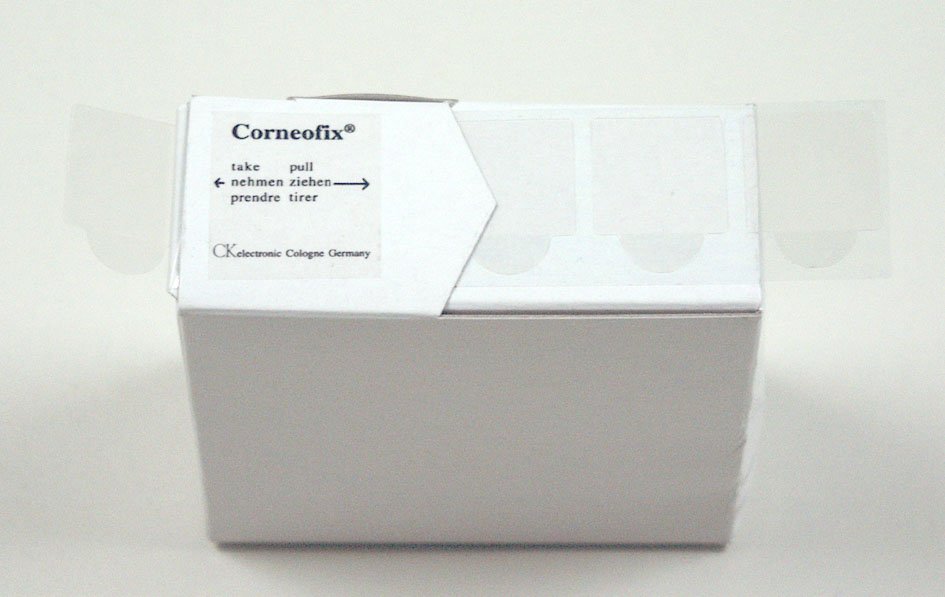
Understanding the skin at a deeper level often requires methods that are both precise and gentle. One technique that has become essential for scientists is skin tape stripping, a simple yet powerful way to investigate the outer layers of the skin without causing significant discomfort. The procedure is common in the laboratories, cosmetic testing and dermatological studies since the process is not invasive though yields credible data.
What Skin Tape Stripping Actually Does
Skin tape stripping involves placing an adhesive strip on the skin and lifting it to collect the uppermost layers of the stratum corneum. By making the repetition a few times, the researchers get a clear picture of how these layers are arranged and how they react to the products, the treatments or the environment changes. The accuracy of the samples makes it possible to critically examine the proteins, lipids and other key factors that reveal the health status of the skin barrier.
This method is highly appreciated since no biopsies will have to be performed. The specialists can raise microscopic layers in a controlled manner without cutting through the skin. This will render it appropriate to both healthy volunteers and sensitive subjects such as mild skin conditions.
Why Tape Stripping Dermatology Matters
One major reason tape stripping dermatology has gained attention is its ability to measure barrier function. The skin wall can shield the body against irritants, dehydration and dangerous chemicals. When researchers tape strip off some specific number of layers, they may observe how rapidly the barrier becomes more permeable. This means that the skin is either strong, weaker or weakened by the skin condition like eczema or the harshness of formulations.
Tape stripping dermatology also supports studies related to ingredient penetration. Scientists can apply strips and determine the extent to which a cream, serum or medication has penetrated the skin when it is applied to the skin. This assists brands in developing products that are effective, as well as making them safe to consumers.
Sampling Biomarkers for Deeper Insight
One of the most valuable contributions of skin tape stripping is its ability to collect biomarkers. They are enzymes, natural moisturising factors, inflammatory molecules and lipids. Through the analysis of these elements, the researchers are informed about the effects of the skin to stress, ageing or active ingredients.
This type of sampling is of great use in clinical trials. It assists companies in determining whether a formulation actually decreases inflammation, increases hydration or enhances the strength of the barrier. Due to the fact that tape stripping is a non-invasive procedure, it can be repeated at various time points which enables researchers to monitor changes.
A Technique that Supports Modern Skin Science
Advanced research on the skin has led to the increased demand of methods that are not only precise but also comfortable. Skin tape stripping fits perfectly into this requirement. It promotes cosmetic development, dermatology research and even personal care innovation. Combined with the other instruments such as hydration metres, imaging equipment and TEWL readings, it enables the experts to comprehend the entire behaviour of the skin in a realistic and measurable manner.
Conclusion
Skin tape stripping has become a trusted method for collecting detailed skin information without invasive procedures. Combined with the growing field of tape stripping dermatology, it helps researchers measure barrier strength, evaluate product penetration and gather essential biomarkers. If you require any of the most useful solutions and high quality tools to further your study in dermatology or cosmetics, contact Medelink to get professional consultation and quality equipment.
