

There’s something deeply appealing about tiny homes on trailers. The freedom. The lower cost. The idea that if your neighbors get weird, you can literally hitch up and leave. It feels rebellious in a small, wholesome way.
But here’s the thing nobody talks about enough: tiny house regulations can make or break that dream. Especially when your house sits on wheels.
People assume that because it’s “tiny” and “mobile,” it must be simple. It’s not. In fact, trailer-based homes often land in a gray area that city officials don’t quite know what to do with. And that’s where things get complicated.
Let’s talk about it honestly.
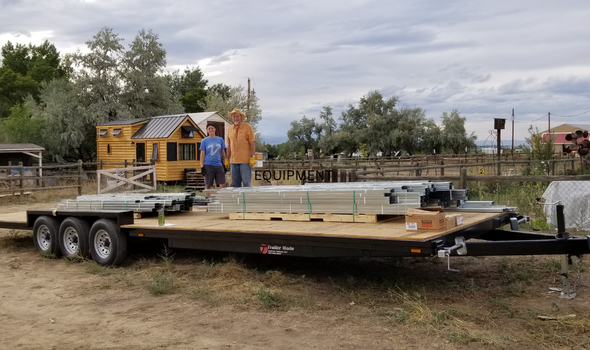
The Awkward Legal Identity of Trailer-Based Tiny Homes
A trailer-based tiny house doesn’t fit neatly into existing boxes. Is it an RV? A permanent dwelling? A temporary structure? A mobile home?
In many places, zoning laws weren’t written with 300-square-foot handcrafted homes in mind. They were written decades ago, when housing meant big suburban lots or apartment complexes.
So your tiny house on wheels might technically be classified as a recreational vehicle. That means you may not be allowed to live in it full-time. Some municipalities limit RV stays to 30 days. Others restrict where they can be parked entirely.
This is where tiny house regulations start to feel less like guidelines and more like roadblocks.
And yes, it varies wildly by city and county. One town might welcome you. The next one over might fine you.
Zoning Laws: The First Big Barrier
Zoning is usually the first hurdle. Even if your tiny house is beautifully built and safe, local zoning codes might require a minimum square footage for residential properties.
Some areas require homes to be 800 or 1,000 square feet minimum. A 280-square-foot tiny house? Not even close.
Even if the structure meets building codes, zoning laws can still prevent you from placing it on a piece of land. That’s frustrating. You can own the land and still not legally live on it.
This is why many tiny house experts tell buyers: check zoning before you buy land. Not after. It’s a mistake people make all the time.
And it’s an expensive mistake.
Building Codes vs. RV Standards
Trailer-based homes sit at a weird crossroads between residential building codes and RV standards.
If your tiny house is built to RVIA standards (Recreational Vehicle Industry Association), it might be easier to park in RV parks. But that doesn’t mean it qualifies as a legal dwelling.
On the other hand, if it’s built to residential building codes, you might have more legitimacy as a home—but you could lose the mobility perks and RV park access.
Some jurisdictions now recognize the Appendix Q section of the International Residential Code, which was created specifically for tiny houses. That’s progress. Real progress.
Still, not every state or city has adopted it.
So depending on where you live, your trailer-based tiny home might fall through the cracks. Not unsafe. Just… unrecognized.
Parking Problems No One Warns You About
Let’s say your tiny house is fully legal. Great. Now where do you park it?
Parking regulations can be stricter than you’d think. Many residential neighborhoods prohibit RV parking in driveways for extended periods. Some homeowners associations are even more rigid.
Even rural land can come with restrictions. Agricultural zoning may not allow full-time residential use without additional permits.
This is where tiny house regulations directly affect your lifestyle. You might plan for mobility, but in reality, you’ll need a stable, legal place to park most of the time.
Constantly moving gets exhausting. And expensive.
Utilities and Off-Grid Complications
Many trailer-based tiny homes aim to be off-grid. Solar panels. Composting toilets. Rainwater collection.
It sounds romantic. And sometimes it works beautifully.
But local health departments often require homes to connect to approved water and sewage systems. Composting toilets aren’t always recognized as compliant. Greywater systems? Same story.
Even if you’re environmentally responsible, you might not meet outdated plumbing codes.
Some regions are catching up. Others… not so much.
Again, this is where working with tiny house experts pays off. They’ve seen which counties are flexible and which are stuck in 1985.
Financing and Insurance Hurdles
Regulations don’t just impact where you park. They affect money, too.
Traditional mortgages usually don’t apply to trailer-based homes. They’re often financed like RVs or personal property loans, which come with higher interest rates.
Insurance can also be tricky. If your tiny house isn’t certified properly, insurers may refuse coverage. Or charge more.
And here’s the quiet truth: lenders and insurers look at legality. If local tiny house regulations are unclear or restrictive, financial institutions get nervous.
Uncertainty equals risk.
Risk equals higher cost.
The Rise of Tiny House-Friendly Communities
The good news? Change is happening.
Some cities and counties are updating their zoning codes to specifically allow tiny homes, including trailer-based models. Tiny house villages are popping up in progressive regions, offering shared utilities and legal placement.
It’s not universal yet. But it’s growing.
Tiny house experts often keep lists of friendly jurisdictions. They know where planning boards are open-minded and where conversations are happening.
Sometimes it’s not about breaking rules. It’s about finding the places that already want you there.
State-by-State Differences Matter. A Lot.
If you’re in one state, you might have relatively clear rules. Move two states over, and everything changes.
Some states treat trailer-based homes strictly as RVs. Others allow them as accessory dwelling units (ADUs) in certain zones. A few have even created specific tiny house categories.
Before buying or building, always check:
- State-level building code adoption
- County zoning ordinances
- City municipal codes
- HOA restrictions (if applicable)
Yes, it’s a lot of homework. But skipping it can lead to citations, forced relocations, or worse.
And no one wants to move their entire house under legal pressure.
Why DIY Research Isn’t Always Enough
You can Google. You can read forums. You can call the planning office.
But local regulations are often full of vague wording. “Temporary occupancy.” “Accessory structure.” “Habitable unit.” These phrases mean specific things legally.
Tiny house experts don’t just build houses. The good ones understand municipal language. They know which permits apply and which loopholes exist legally (not shady, just technical).
Sometimes one phone call from someone experienced saves months of stress.
It’s not about dependency. It’s about precision.
The Emotional Side No One Mentions
Regulations aren’t just paperwork. They shape your daily life.
Imagine investing your savings into a handcrafted home. You pour your time, your sweat, maybe even your marriage into it. And then a code enforcement officer leaves a notice on your door.
That fear is real for some owners.
When tiny house regulations are unclear or restrictive, they create instability. Not financial instability alone—mental instability.
You start wondering if you’ll have to move again. If you’re “legal enough.” If the dream was naive.
That uncertainty is heavy.
Practical Steps Before You Build or Buy
If you’re serious about a trailer-based tiny home, slow down. A little.
Here’s what actually helps:
- Call the local planning department anonymously at first and ask direct questions.
- Get zoning confirmation in writing.
- Ask about long-term parking allowances.
- Verify utility requirements and sanitation standards.
- Consult tiny house experts who know your specific region.
Do this before you purchase land. Before you sign a builder contract. Before you customize the layout.
It feels boring compared to picking countertops. But it protects you.
The Bottom Line
Trailer-based tiny homes are not illegal everywhere. They’re not impossible. They’re just misunderstood by systems that weren’t built for them.
Tiny house regulations can feel frustrating, yes. But they’re evolving. Slowly. Sometimes painfully slowly.
If you approach the process informed—really informed—you can make it work.
The dream of mobility and simplicity is still alive. It just requires more planning than Instagram suggests.
And honestly? Maybe that’s okay.

FAQs
Are trailer-based tiny homes legal to live in full-time?
It depends entirely on local tiny house regulations. In many places, they’re classified as RVs, which limits full-time living. Some cities allow them as accessory dwelling units or in designated tiny home communities. You have to check city and county rules specifically.
Do I need a permit for a tiny house on wheels?
Often, yes. Even though it’s on a trailer, placement on land usually requires zoning approval and possibly utility permits. Building standards may also apply depending on whether it’s treated as an RV or residential structure.
Can I park my tiny house in my backyard?
Sometimes. If your property zoning allows accessory dwelling units (ADUs), it may be possible. But HOA rules, minimum lot sizes, and utility connections can all affect whether it’s permitted.
Should I hire tiny house experts before building?
If you’re unsure about local codes, yes. Tiny house experts can interpret zoning language, check compliance requirements, and prevent costly mistakes. It’s not mandatory, but it can save serious time, money, and stress.
