

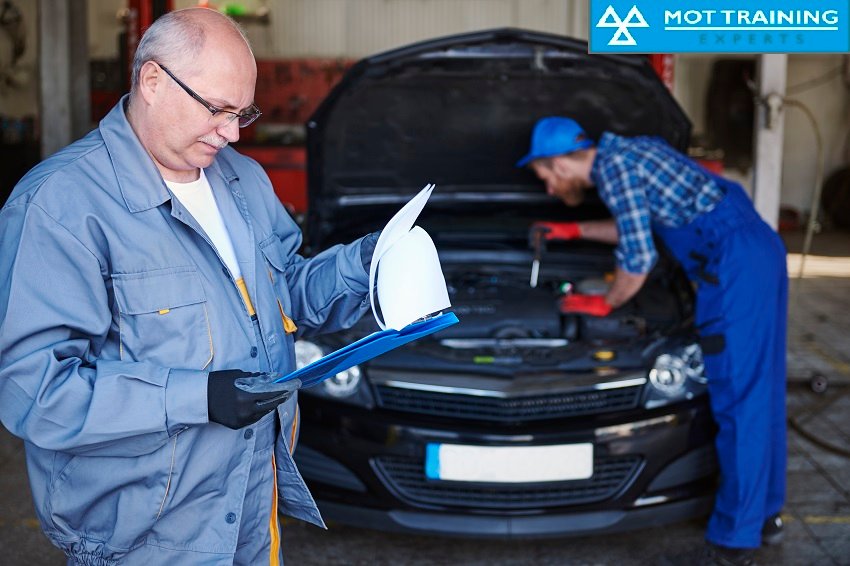
An MOT Inspector plays a vital role in maintaining road safety across the United Kingdom. Every year, millions of vehicles undergo an MOT test to ensure they meet legal standards for roadworthiness and environmental performance. Behind each inspection is a trained professional responsible for assessing whether a vehicle complies with the standards set by the Driver and Vehicle Standards Agency (DVSA).
If you are considering a career as an MOT Inspector, or you simply want to understand how the role works, this guide explains everything in clear and practical terms. From qualifications and eligibility to annual training requirements and professional responsibilities, this article provides a comprehensive overview of what it means to work as an MOT Inspector in the UK.
What Is an MOT Inspector
An MOT Inspector, often referred to as an MOT Tester, is a qualified vehicle technician authorised to carry out MOT tests on vehicles over three years old. The purpose of the MOT test is to ensure that vehicles meet minimum safety and environmental standards.
During an MOT test, the inspector checks key components including:
- Brakes and brake performance
- Steering and suspension
- Tyres and wheels
- Lights and signalling equipment
- Seatbelts and safety features
- Exhaust emissions
- Structural integrity of the vehicle
The inspector must follow a strict inspection manual provided by the DVSA and record all findings accurately within the official MOT testing system.
Eligibility Requirements to Become an MOT Inspector
Before training as an MOT Inspector, you must meet certain eligibility criteria. These are designed to ensure that only competent and experienced individuals are authorised to inspect vehicles.
1. Professional Experience
Applicants must have:
- At least four years of full-time experience repairing and servicing the class of vehicles they intend to test, or
- A relevant Level 3 qualification in motor vehicle maintenance and repair
For technicians without formal qualifications, an accredited assessment route may be required to demonstrate competence.
2. Driving Licence
A full UK driving licence is mandatory for the vehicle classes you wish to inspect.
3. Clean Record and Suitability
The DVSA requires inspectors to be deemed “fit and proper persons”. This includes having no unspent criminal convictions related to dishonesty or fraud.
Required Qualification Pathway
To become authorised as an MOT Inspector, candidates must complete the following steps:
Level 2 Award in MOT Testing
This qualification provides the essential theoretical knowledge and practical skills required to conduct MOT tests. It covers:
- MOT legislation and procedures
- Inspection standards
- Recording results
- Safe working practices
Training combines classroom learning with practical workshop sessions.
DVSA Demonstration Test
After completing the Level 2 Award, candidates must pass a DVSA observed demonstration test. During this assessment, an examiner observes the candidate conducting a full MOT inspection to ensure competence and compliance with procedures.
Once successful, the candidate is officially authorised as an MOT Inspector and can begin testing vehicles at an approved MOT centre.
Vehicle Classes an MOT Inspector Can Test
Not all MOT Inspectors test the same types of vehicles. Vehicle classes include:
- Class 1 and 2 – Motorcycles
- Class 3 and 4 – Cars and small vans
- Class 5 – Private passenger vehicles and ambulances
- Class 7 – Goods vehicles between 3,000kg and 3,500kg
Inspectors must be qualified and authorised for the specific vehicle classes they wish to test.
The Importance of Annual Training
Becoming qualified is not the end of the journey. Every MOT Inspector must complete annual training and assessment to maintain authorisation.
Annual Training Requirements
Each year, inspectors must:
- Complete at least three hours of annual training
- Keep a record of completed training
- Pass an annual online assessment
Over a five-year period, inspectors must complete a minimum of 16 hours of training in total.
This continuous professional development ensures inspectors remain up to date with changes in testing procedures, legislation, and inspection standards.
Annual Assessment
The annual assessment tests the inspector’s knowledge of:
- Updated MOT testing rules
- Recent regulatory changes
- Common testing errors
- Best practice procedures
Failure to complete annual training or pass the assessment may result in suspension of authorisation.
Responsibilities of an MOT Inspector
The role involves much more than following a checklist. An MOT Inspector carries significant responsibility.
1. Accuracy and Integrity
Inspectors must record results honestly and accurately. Issuing incorrect results, whether deliberate or accidental, can have serious legal consequences.
2. Compliance With DVSA Standards
All inspections must strictly follow DVSA guidelines. Inspectors cannot deviate from the official manual or use personal judgement beyond the permitted criteria.
3. Professional Conduct
An MOT Inspector must maintain professional behaviour at all times, including:
- Clear communication with vehicle owners
- Transparent explanation of failures
- Proper documentation of advisories
Trust is central to the MOT system. The public relies on inspectors to ensure vehicles on UK roads are safe.
Working Environment
Most MOT Inspectors work in authorised MOT test centres, which may include:
- Independent garages
- Franchise dealerships
- National service chains
Inspectors work in workshop environments and use specialised testing equipment such as brake rollers, emissions analysers, and headlamp alignment tools.
The role requires physical activity, attention to detail, and the ability to work methodically under time constraints.
Career Progression Opportunities
Becoming an MOT Inspector can open several professional pathways.
Senior Tester
Experienced inspectors may supervise other testers or mentor new trainees.
MOT Test Centre Management
With further training, inspectors can move into management roles overseeing compliance, quality control, and operational standards within a vehicle test centre.
Authorised Examiner Roles
An Authorised Examiner is responsible for the overall management and compliance of an MOT centre. Inspectors with strong leadership skills may progress into these positions.
Skills Required to Be a Successful MOT Inspector
While technical knowledge is essential, several personal skills are equally important.
Attention to Detail
Small faults can have major safety implications. Inspectors must observe and record findings precisely.
Analytical Thinking
Understanding mechanical systems and identifying faults requires logical reasoning.
Communication Skills
Inspectors must explain failures and advisories clearly to customers who may not have technical knowledge.
Integrity and Ethics
The MOT system relies on honesty. Ethical conduct is non-negotiable in this profession.
Common Challenges in the Role
Although rewarding, the role of an MOT Inspector comes with challenges.
Keeping Up With Regulation Changes
MOT standards can change periodically. Annual training helps inspectors remain informed, but continuous awareness is necessary.
Managing Customer Expectations
Vehicle owners may feel frustrated when their vehicle fails. Inspectors must remain professional and objective.
Time Pressures
Busy test centres often operate on tight schedules, requiring efficiency without compromising accuracy.
Why Continuous Learning Matters
The automotive industry evolves rapidly. Modern vehicles include advanced driver assistance systems, electronic diagnostics, and hybrid technologies.
An effective MOT Inspector must:
- Stay informed about emerging vehicle technologies
- Understand updated emissions standards
- Adapt to revised inspection procedures
Continuous learning ensures both compliance and competence in an ever-changing industry.
Legal and Ethical Responsibilities
The MOT system is regulated by UK law. An inspector who fails to comply with rules may face:
- Suspension or removal of authorisation
- Financial penalties
- Legal consequences
The DVSA conducts site audits and mystery shopper tests to maintain standards across the country.
This oversight protects consumers and ensures fairness across all test centres.
Is a Career as an MOT Inspector Right for You
This role suits individuals who:
- Have a strong mechanical background
- Enjoy structured procedures
- Value public safety
- Are committed to professional integrity
It is both a technical and responsible position, contributing directly to road safety in the UK.
Conclusion
An MOT Inspector plays a crucial role in ensuring vehicles meet national safety and environmental standards. From completing the Level 2 qualification and DVSA demonstration test to fulfilling annual training and assessment requirements, the pathway demands commitment and professionalism.
The role offers stable career opportunities, clear progression routes, and the satisfaction of contributing to safer roads. However, it also requires accuracy, integrity, and ongoing learning to remain compliant with regulatory standards.
For those with mechanical expertise and a strong sense of responsibility, becoming an MOT Inspector can be a rewarding and respected career choice within the UK automotive industry.
