

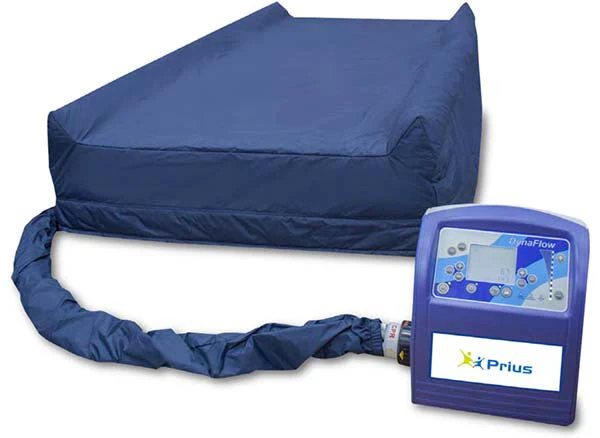
Caring for a loved one at home often means making thoughtful decisions about comfort, safety, and long-term health. One of the most important choices in a home care setup is selecting the right hospital bed mattress. Unlike a regular mattress, a hospital bed mattress is designed to support medical needs, improve mobility, and reduce the risk of complications that can come from spending long hours in bed.
With so many options available, choosing the best hospital bed mattress for home use can feel confusing. This guide will walk you through everything you need to know, in simple and practical terms, so you can make the right decision with confidence.
Why a Hospital Bed Mattress Matters at Home
When someone is recovering from surgery, managing a chronic condition, or facing limited mobility, the mattress they rest on plays a major role in their daily comfort. A poor-quality or unsuitable mattress can lead to discomfort, poor sleep, pressure sores, and even delayed recovery.
A proper hospital bed mattress is designed to work with adjustable beds, provide targeted support, and help distribute body weight evenly. For home care patients, this means better rest, improved circulation, and a safer overall environment.
Start by Understanding the Patient’s Needs
Before looking at mattress types or features, it’s important to consider who will be using the bed and what their specific needs are.
Ask yourself:
How mobile is the patient?
Will they spend most of the day in bed or only at night?
Are there existing issues like back pain, joint stiffness, or pressure sores?
Is the care expected to be short-term or long-term?
For example, someone who is temporarily recovering may need a simpler mattress, while a patient with limited movement or long-term bed rest will benefit from more advanced pressure-relief options.
Compatibility with the Hospital Bed
Not all mattresses work well with hospital beds. A hospital bed mattress must be flexible enough to move smoothly when the bed adjusts its head, foot, or height positions.
When choosing a mattress, make sure it is:
Designed specifically for hospital or adjustable beds
The correct size and thickness for the bed frame
Easy to secure so it doesn’t shift during movement
Using a regular mattress on a hospital bed can reduce comfort and even damage the mattress over time.
Types of Hospital Bed Mattresses
Understanding the different types of hospital bed mattresses can help narrow down your options.
Foam Mattresses
Foam mattresses are one of the most common choices for home care. They provide consistent support and are lightweight, making them easy to handle and maintain. High-density foam mattresses can help reduce pressure and are suitable for patients with mild to moderate care needs.
Alternating Pressure Mattresses
These mattresses use air cells that inflate and deflate in cycles. This constant change in pressure helps reduce the risk of bedsores and improves blood circulation. They are often recommended for patients who spend long hours in bed or have limited mobility.
Low Air Loss Mattresses
Low air loss mattresses allow air to flow through the surface, helping keep the skin dry and cool. This feature is especially helpful for patients prone to sweating or skin breakdown.
Hybrid Mattresses
Hybrid options combine foam and air technology. They offer the comfort of foam with added pressure relief from air support, making them a balanced option for many home care situations.
Pressure Relief and Skin Protection
One of the main reasons people choose a hospital bed mattress is to prevent pressure sores. These sores can develop quickly when the same areas of the body are under constant pressure.
Look for a mattress that:
Distributes body weight evenly
Reduces pressure on sensitive areas like hips, back, and heels
Supports healthy blood circulation
If the patient already has pressure-related skin issues, a mattress with advanced pressure-relief features becomes even more important.
Comfort and Firmness Level
Comfort is personal, and firmness plays a big role in how a mattress feels. Some patients prefer a firmer surface for stability, while others need a softer feel to reduce pain and stiffness.
Many modern hospital bed mattresses offer adjustable firmness, especially air-based models. This allows caregivers to fine-tune comfort based on changing needs. A comfortable mattress encourages better sleep, which is essential for recovery and overall well-being.
Ease of Cleaning and Hygiene
Hygiene is a critical factor in home care. Hospital bed mattresses are designed with easy cleaning in mind, but not all models are the same.
Choose a mattress that has:
A waterproof or water-resistant cover
Materials that resist stains and odors
A removable cover that can be wiped down or cleaned easily
This helps maintain a clean environment and reduces the risk of infections, especially for patients with weakened immune systems.
Noise and Power Considerations
If you’re choosing an air or alternating pressure mattress, it will usually include a pump. While most modern pumps are quiet, it’s still worth checking noise levels, especially if the mattress will be used in a bedroom.
Also consider:
Reliable power supply
Backup options in case of power cuts
Energy efficiency for long-term use
A quiet, dependable system makes daily life more comfortable for both patients and caregivers.
Safety and Stability
Safety should never be overlooked. The mattress should stay firmly in place and work smoothly with bed rails or other accessories.
Look for features such as:
Non-slip bottoms
Secure fitting straps
Compatibility with side rails
A stable mattress reduces the risk of falls and makes it easier for caregivers to assist with movement and repositioning.
Budget and Long-Term Value
Hospital bed mattresses come in a wide price range. While it’s tempting to choose the least expensive option, it’s important to think about long-term value.
A higher-quality mattress may:
Last longer
Provide better comfort and support
Reduce medical complications, saving costs over time
Consider your budget, but balance it with the patient’s health needs and expected duration of use.
Consult Healthcare Professionals When Needed
If you’re unsure which mattress is best, consulting a doctor, nurse, or physical therapist can be very helpful. They can recommend features based on medical conditions and mobility levels.
Their guidance can prevent costly mistakes and ensure the mattress truly supports recovery and comfort.
Final Thoughts
Choosing the best hospital bed mattress for home use is about more than just size or price. It’s about understanding the patient’s needs, ensuring comfort, supporting health, and creating a safe home care environment.
By considering factors like mattress type, pressure relief, hygiene, compatibility, and long-term value, you can make a thoughtful choice that improves daily comfort and quality of life. A well-chosen hospital bed mattress can make home care easier, safer, and more comfortable for everyone involved.
