

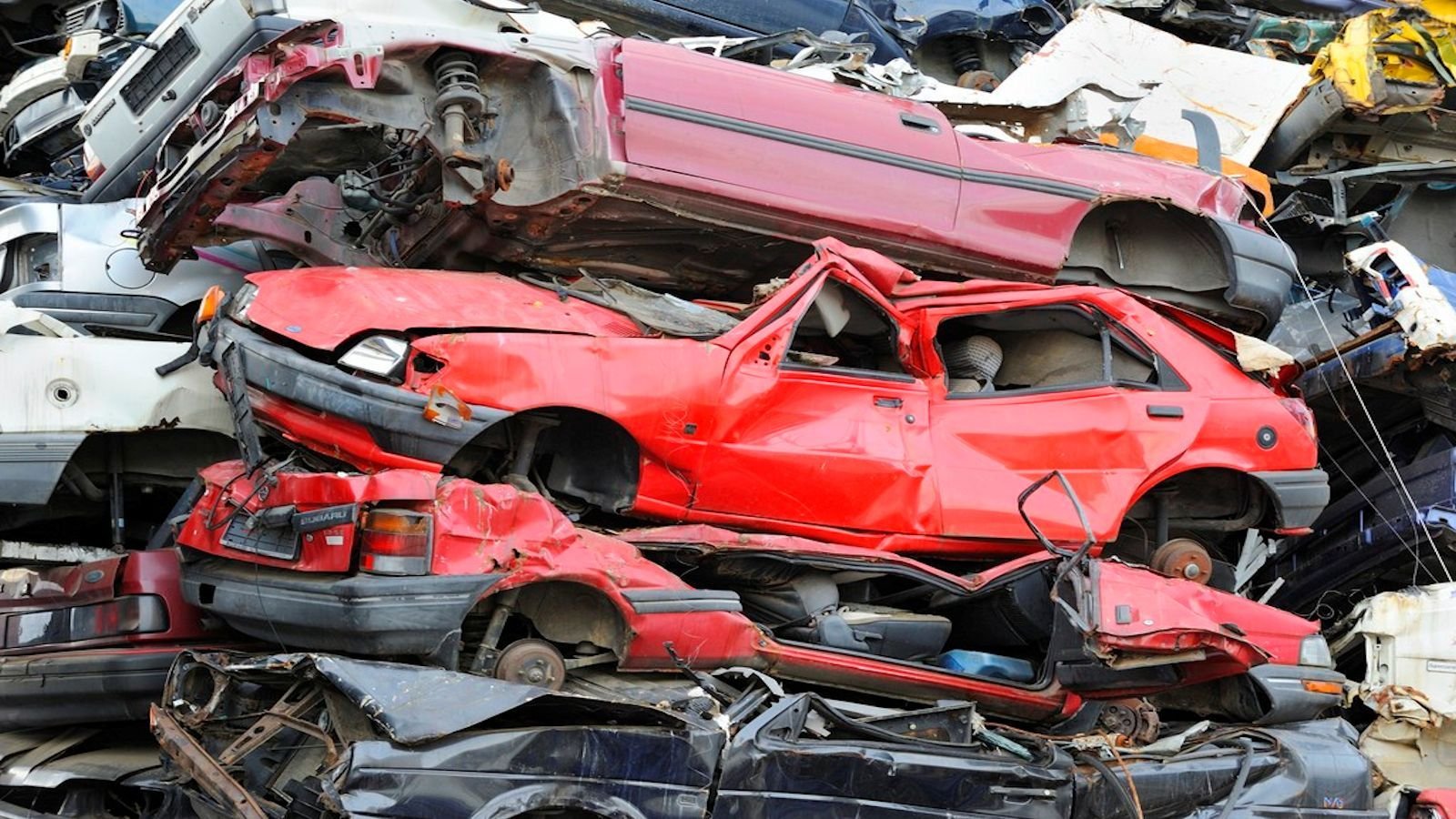
Owning an old scrap car can become a burden. It may not run. It may take up space in your driveway. It may leak fluids onto the ground. When a vehicle reaches the end of its life, the owner must dispose of it in a legal way.
In Victoria, there are clear rules for disposing of a scrap car. These rules protect the environment, prevent illegal dumping, and stop vehicle identity fraud. This guide explains how to legally dispose of an old scrap car in Victoria, step by step.
When Is a Car Considered Scrap?
A car is usually considered scrap when it is no longer safe or worth repairing. This may happen after:
- Severe accident damage
- Major engine or gearbox failure
- Rust damage to the chassis
- Flood damage
- High repair costs that exceed the car’s market worth
In many cases, insurance companies declare vehicles as repairable write offs or statutory write offs. A statutory write off cannot be registered again in Victoria. It can only be dismantled for parts or recycled.
Even if a car has not been written off by an insurer, it can still be treated as scrap if it is not roadworthy and the owner decides not to repair it.
Legal Responsibilities of Vehicle Owners in Victoria
In Victoria, vehicle registration is managed by VicRoads. If you own a vehicle, you are legally responsible for it until ownership is transferred or it is officially disposed of.
You cannot:
- Abandon the car on a public street
- Leave it on vacant land without permission
- Sell it without proper documentation
- Remove identification numbers
Illegal dumping of vehicles can lead to fines issued by local councils. Councils also have the power to tow and impound abandoned vehicles.
To stay within the law, you must follow the correct process when disposing of a scrap car.
Step 1: Check the Registration Status
The first step is to check whether the vehicle is registered or unregistered.
If the car is still registered, you need to cancel the registration with VicRoads. This protects you from future road tolls, fines, or legal issues linked to the vehicle.
To cancel registration in Victoria, you generally need:
- Number plates
- Proof of identity
- A completed cancellation form
Once registration is cancelled, you may be eligible for a refund of the unused portion of registration and compulsory third party insurance.
If the car is already unregistered, you can move to the next step.
Step 2: Remove Personal Belongings and Plates
Before disposal, remove all personal items from the vehicle. Check:
- Glove box
- Boot
- Under seats
- Door pockets
Remove the number plates if they are still attached. In Victoria, number plates must be returned to VicRoads when cancelling registration.
This step prevents misuse of your registration details.
Step 3: Choose a Licensed Scrap Car Operator
It is important to deal with a licensed auto recycler or car dismantler. In Victoria, businesses that buy and dismantle scrap vehicles must follow environmental and trading laws.
Licensed operators:
- Drain fluids such as oil and coolant
- Remove batteries and tyres
- Dispose of hazardous waste correctly
- Recycle metal parts
Motor vehicles are around 75 percent steel and iron. These materials can be recycled many times without losing strength. Recycling steel saves a large amount of energy compared to producing new steel from raw ore. This reduces pressure on natural resources.
Choosing a legal operator ensures your car is handled in a lawful and responsible way.
Step 4: Provide Proof of Ownership
You must prove that you own the vehicle before it is dismantled or recycled.
Accepted proof may include:
- Registration papers
- A receipt of purchase
- Your driver licence
This step helps prevent stolen vehicles from entering the scrap system.
If you cannot prove ownership, the operator may refuse to accept the vehicle.
Step 5: Complete the Transfer or Disposal Notice
If the vehicle is still registered, you should submit a disposal notice to VicRoads. This tells the authority that you no longer own the vehicle.
Failing to lodge this notice can result in fines or legal trouble if the vehicle is later involved in illegal activity.
Keep copies of any documents for your records.
Environmental Rules in Victoria
Old vehicles contain fluids and materials that can harm soil and water. These include:
- Engine oil
- Brake fluid
- Transmission fluid
- Coolant
- Fuel
Victoria has environmental protection laws that control how these materials must be handled. Scrap operators must store and dispose of these fluids safely.
Car batteries contain lead and acid. Lead is toxic and must be recycled under strict conditions. Tyres also require proper disposal, as they can create fire risks if dumped.
Legal disposal supports recycling and reduces landfill waste. It also reduces greenhouse gas emissions linked to metal production.
Why Illegal Disposal Is a Serious Issue
Abandoned vehicles create problems for local communities. They can:
- Leak harmful fluids
- Attract vandalism
- Take up parking space
- Lower the appearance of neighbourhoods
Local councils spend large amounts each year removing dumped vehicles. These costs are often funded by ratepayers.
Fines for illegal dumping in Victoria can reach thousands of dollars. It is not worth the risk.
The Role of Automotive Recycling in Victoria
The automotive recycling industry plays a key role in waste reduction. Thousands of vehicles reach end of life in Australia every year. Most parts can be reused or recycled.
Common recycled materials include:
- Steel
- Aluminium
- Copper
- Plastic components
Recycling metals uses far less energy than mining and processing new materials. This supports national sustainability goals and reduces environmental harm.
Old vehicles are not just waste. They are a source of reusable materials.
Choosing the Right Service for Legal Disposal
When selecting a company to remove your vehicle, look for one that follows Victorian regulations and provides proper documentation. A lawful operator will explain the process clearly and ensure ownership transfer is completed.
If you are searching for scrap car removal melbourne services, one option . This company collects end of life vehicles and follows disposal rules required in Victoria. Using a lawful service connects the owner with the recycling industry and ensures the vehicle is dismantled and processed in line with environmental standards. This keeps the process within legal limits and supports responsible vehicle recycling.
Common Questions About Scrap Car Disposal in Victoria
Can I scrap an unregistered car?
Yes. An unregistered vehicle can be scrapped. You still need proof of ownership.
Do I need a roadworthy certificate?
No. A roadworthy certificate is not required when scrapping a vehicle.
Can I keep the number plates?
In most cases, number plates must be returned to VicRoads if registration is cancelled.
What if I lost the registration papers?
You may need to provide other proof of identity and ownership. Contact VicRoads for guidance.
Read More: https://www.urgentcash4carz.com.au/
Final Thoughts
Disposing of an old scrap car in Victoria requires care and attention to legal steps. The process involves checking registration, cancelling plates, proving ownership, and choosing a licensed recycler.
These rules protect the environment and prevent illegal activity. Vehicles contain materials that must be handled in a controlled way. Recycling metal reduces energy use and supports sustainable industry practices.
When handled correctly, an old scrap car does not become a problem. It becomes part of the recycling cycle. Following Victorian laws ensures the vehicle is removed from your name and processed in a lawful manner.
