


There is nothing worse than sending a carefully chosen gift only to hear that it arrived damaged. Parcels go through many hands before reaching their destination. They are stacked in vans, moved across warehouses, and sometimes handled in a hurry. That is why packing is not just a formality; it is protection. A few extra minutes spent packing properly can save both money and disappointment.
The key is to think in layers. The inside keeps the gift stable. The outside protects it from pressure and impact. When both work together, the risk of damage is significantly reduced.
Why Should You Start with Strong Inner Support?
Before thinking about boxes or tape, focus on the item itself. Ask one simple question: can this move inside the parcel? If the answer is yes, it needs more support.
How Can You Properly Cushion Fragile Gifts?
For breakable items, parcel wrap is often the safest starting point. Wrap the gift tightly so that no surface is exposed. Pay extra attention to corners and edges, as they take the most impact. If the gift is delicate, add another layer of this wrap rather than assuming one layer is enough. The aim is to absorb shock before it reaches the item.
Parcel wrap is also useful for filling empty spaces later. Instead of leaving gaps inside the parcel, tuck small pieces around the gift to hold it firmly in place.
Why Is Paper Still a Practical Choice for Wrapping?
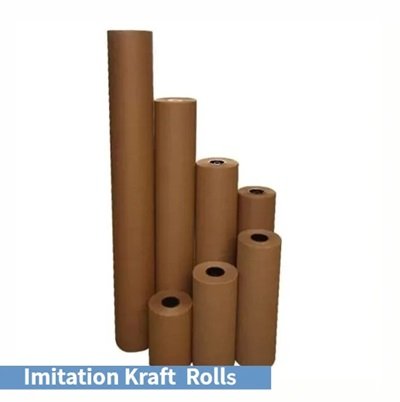
Brown parcel paper is simple but effective. It works well as a first layer around books, clothing, or boxed gifts. It protects surfaces from scratches and keeps everything neat. If you need light padding, crumple this parcel paper and place it around the item. This stops it from shifting without adding too much weight.
Brown parcel paper is especially useful when packing multiple items together. Wrapping them separately prevents friction and surface damage.
When Should You Choose Padded Envelopes Instead of Boxes?
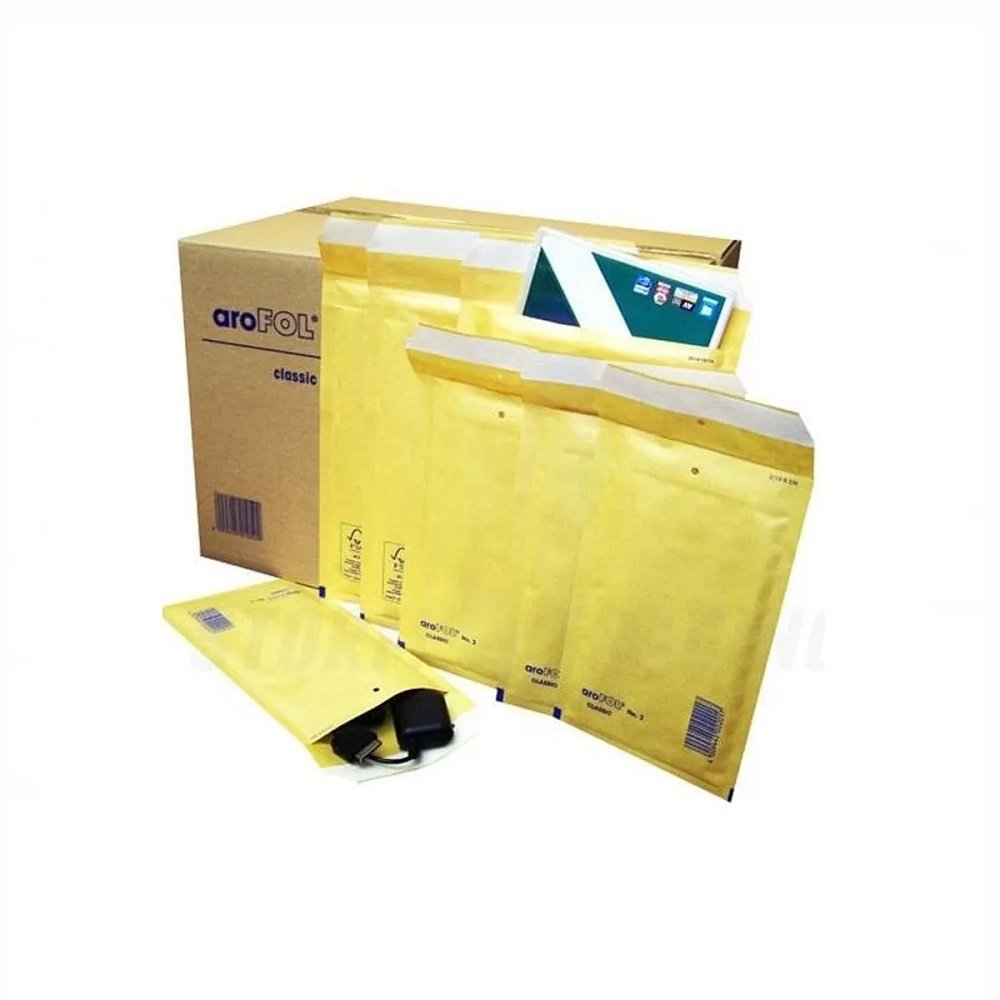
Not every gift needs a rigid box. Small, flat, or lightweight items can be sent safely in bubble mailers. These padded envelopes are designed to protect contents from minor knocks. Jewellery, small accessories, or compact gadgets fit comfortably inside the mailers.
However, if the item is fragile or heavy, placing bubble mailers inside postal boxes adds an extra layer of safety.
Why Does Outer Packaging Matter Just as Much?
Once the gift is wrapped and cushioned, the outer layer takes over. This is what protects the parcel from being crushed or bent during transit.
How Do You Choose the Right Box?
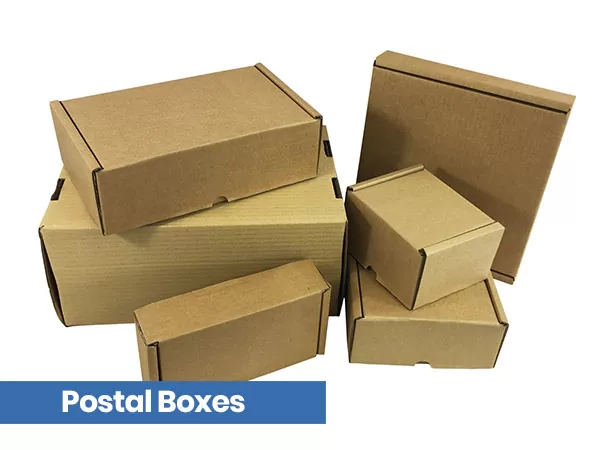
Postal boxes should match the size of the gift. A box that is too big allows movement. A box that is too tight may put pressure on the contents. Ideally, there should be enough room for parcel wrap or brown parcel paper around the item without forcing it.
Strong postal boxes provide structure. They help the parcel keep its shape even when other packages are stacked on top.
What Should You Do About Empty Space?
Space is the enemy of safe delivery. If you shake the box and hear movement, it needs more filling. Add parcel wrap or crumpled brown parcel paper until the item feels secure. This simple check prevents many common delivery issues.
Why is Sealing Often Underestimated?
A parcel is only as strong as its sealing. Use durable tape along all seams of postal boxes. Reinforce corners if the parcel is heavy. If wrapping the outside with brown parcel paper, make sure it is tight and properly secured. Loose wrapping can tear during handling.
What Common Packing Mistakes Should You Avoid?
One frequent mistake is assuming the outer box alone will protect the gift. Without inner cushioning, damage is still likely. Another mistake is reusing weak or crushed postal boxes. Even small structural weaknesses can cause problems under pressure.
Using bubble mailers for items that are too heavy is another risk. Always match the packaging material to the gift’s weight and fragility.
How Does Careful Packing Improve the Recipient’s Experience?
Safe delivery is not just about avoiding damage. It also shows thoughtfulness. A neatly wrapped parcel in brown parcel paper or a well-sealed box feels organised and professional. When the recipient opens postal boxes and finds the gift in perfect condition, it adds to the overall joy of receiving it.
Bubble mailers protect smaller gifts without unnecessary bulk, while parcel wrap keeps delicate items intact. Each material plays its role in creating a positive experience.
Conclusion
Packing gifts for safe, damage-free delivery does not require complex methods. It requires attention to detail and the right materials. Parcel wrap cushions fragile items; brown parcel paper provides surface protection and filling; bubble mailers suit smaller pieces; and postal boxes provide strong outer support. When these layers are used thoughtfully, gifts travel safely and arrive exactly as intended. A little extra care during packing ensures that the moment of unwrapping remains happy and stress-free.
