

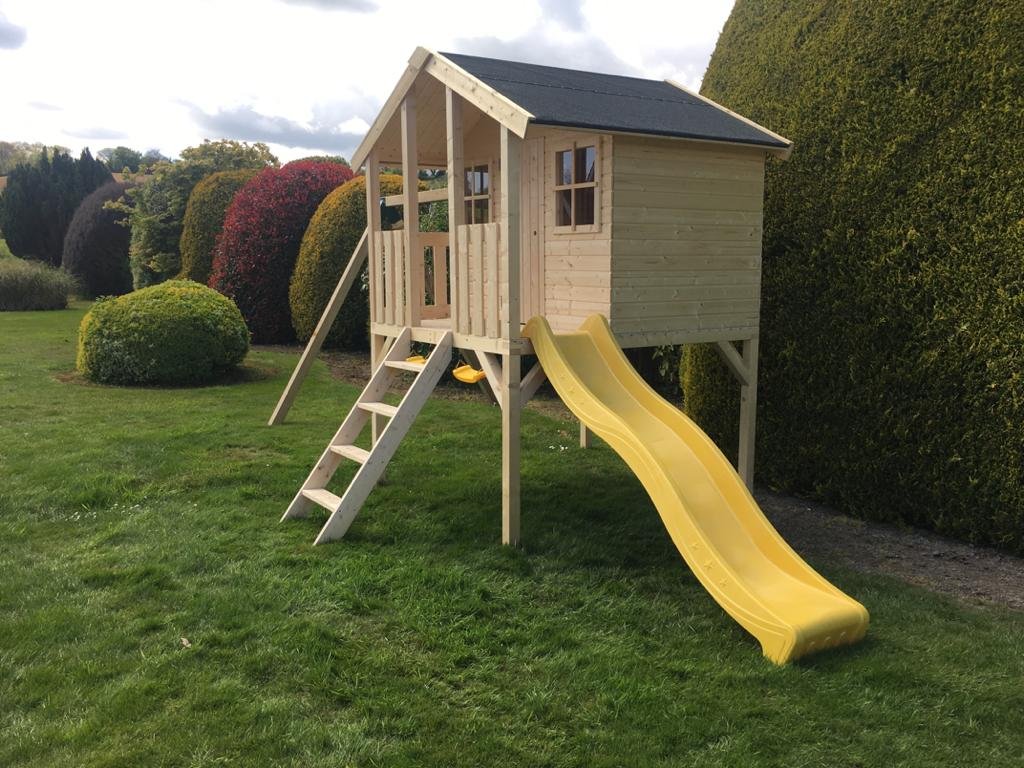
Outdoor children’s playhouses provide imaginative spaces that encourage creativity, independence, and healthy physical activity. However, these structures can unintentionally attract bees seeking shelter, warmth, and undisturbed nesting locations. During warmer months, playhouses often remain unused for extended periods, creating quiet environments ideal for colony exploration. Parents and caregivers must understand why bees find these spaces appealing to implement effective preventative measures. Safety becomes paramount when children interact closely with outdoor structures, especially when stings or allergic reactions present serious risks.
This article examines how environmental conditions, maintenance practices, and design choices influence bee behavior around playhouses. By applying informed strategies, families can prevent bees from establishing nests while preserving safe, enjoyable play environments. The following sections explore behavioral insights, structural improvements, landscaping considerations, professional support, and long-term prevention planning.
Why Bees Are Attracted to Playhouses
Bees naturally seek enclosed, sheltered environments that protect colonies from weather fluctuations and predators. Outdoor playhouses often replicate these desirable conditions unintentionally through small entry gaps, shaded interiors, and minimal disturbance. During spring and early summer, scout bees actively search for potential nesting sites, evaluating safety, stability, and proximity to food sources. Playhouses positioned near flowering gardens, water sources, or trees further increase attractiveness. Understanding these behavioral drivers helps parents identify risk factors early.
Additionally, playhouses constructed from wood or composite materials retain warmth, creating favorable microclimates. Reduced airflow inside enclosed spaces supports temperature stability, enhancing colony survival prospects. When playhouses remain unused for days or weeks, bees experience uninterrupted opportunities to explore and establish nests. By recognizing these patterns, caregivers can proactively address vulnerabilities before nesting occurs. Knowledge of bee behavior forms the foundation for effective prevention strategies, ensuring that interventions remain humane and environmentally responsible.
Structural Modifications That Help Prevent Bees
Structural integrity and design adjustments significantly influence whether bees consider playhouses suitable nesting environments. Sealing small cracks, gaps, and seams eliminates entry points commonly exploited by scouting bees. Installing fine mesh screens over ventilation openings allows airflow while preventing insect access. Regular inspection ensures that wear from weather or play activity does not create new vulnerabilities.
Material choice also affects attraction levels. Smooth, painted surfaces discourage bees from clinging or nesting compared to rough, untreated wood. Applying non-toxic sealants enhances durability while maintaining child safety. Elevating playhouses slightly off the ground reduces moisture accumulation and access for ground-foraging insects. These adjustments collectively help prevent bees from viewing playhouses as viable nesting options.
Door and window management further supports prevention. Keeping doors closed when playhouses are not in use limits entry opportunities. Transparent panels allow light penetration, reducing dark, secluded areas bees prefer. Structural improvements require minimal investment yet deliver significant long-term protection benefits.
Landscaping Practices to Prevent Bees
Surrounding landscapes play a critical role in influencing bee activity near playhouses. Flowering plants produce nectar and pollen that attract foraging bees, particularly during peak seasons. While pollinator-friendly gardens offer ecological benefits, placement matters significantly. Positioning flowering plants away from children’s play areas reduces interaction risks.
Water management also affects bee attraction. Bees require hydration and often seek shallow water sources. Eliminating standing water, adjusting irrigation schedules, and maintaining dry playhouse surroundings reduce appeal. Shade management further influences suitability; excessive shade encourages bee interest by maintaining cooler, protected conditions. Trimming overhanging branches improves airflow and sunlight exposure, creating less hospitable environments.
Consistent yard maintenance supports prevention efforts. Removing debris, stored toys, or unused materials near playhouses minimizes additional shelter options. Combined, these environmental practices help prevent bees while maintaining balanced outdoor ecosystems.
When Professional Support Is Necessary to Prevent Bees
Despite diligent prevention efforts, established colonies sometimes require professional intervention for safe resolution. When bees nest within structural cavities or inaccessible areas, removal attempts by untrained individuals increase risks significantly. Engaging a bee removal service in Placentia provides expertise in identifying species, assessing nest locations, and implementing humane relocation methods. Professionals follow regulations protecting pollinators while prioritizing child safety.
Professional involvement ensures comprehensive solutions addressing both removal and prevention. Experts often recommend structural repairs, habitat adjustments, and ongoing monitoring to prevent recurrence. Attempting removal without training can provoke defensive behavior, increasing sting risks. By integrating professional support, families protect children while respecting ecological responsibilities.
Importantly, professionals offer education, helping parents understand long-term prevention strategies. This collaborative approach ensures sustainable outcomes, reducing reliance on reactive measures and enhancing overall household safety.
Long-Term Strategies to Prevent Bees in Play Areas
Long-term prevention requires consistency, education, and proactive planning aligned with seasonal activity cycles. Scheduling regular inspections during spring and summer identifies early signs of bee interest. Monitoring playhouse interiors, roofs, and surrounding areas supports timely intervention before nesting occurs.
Educating children about avoiding insects and reporting unusual activity encourages shared responsibility. Teaching calm behavior around bees reduces defensive responses, enhancing safety. Parents benefit from documenting maintenance routines and observed patterns, refining strategies over time.
Designating pollinator-friendly zones away from play areas balances ecological stewardship with child safety. This approach supports local bee populations without increasing interaction risks. By combining structural upkeep, landscaping awareness, professional guidance, and family education, households can prevent bees effectively. Sustained commitment ensures that outdoor playhouses remain safe, welcoming spaces for children throughout the year.
