

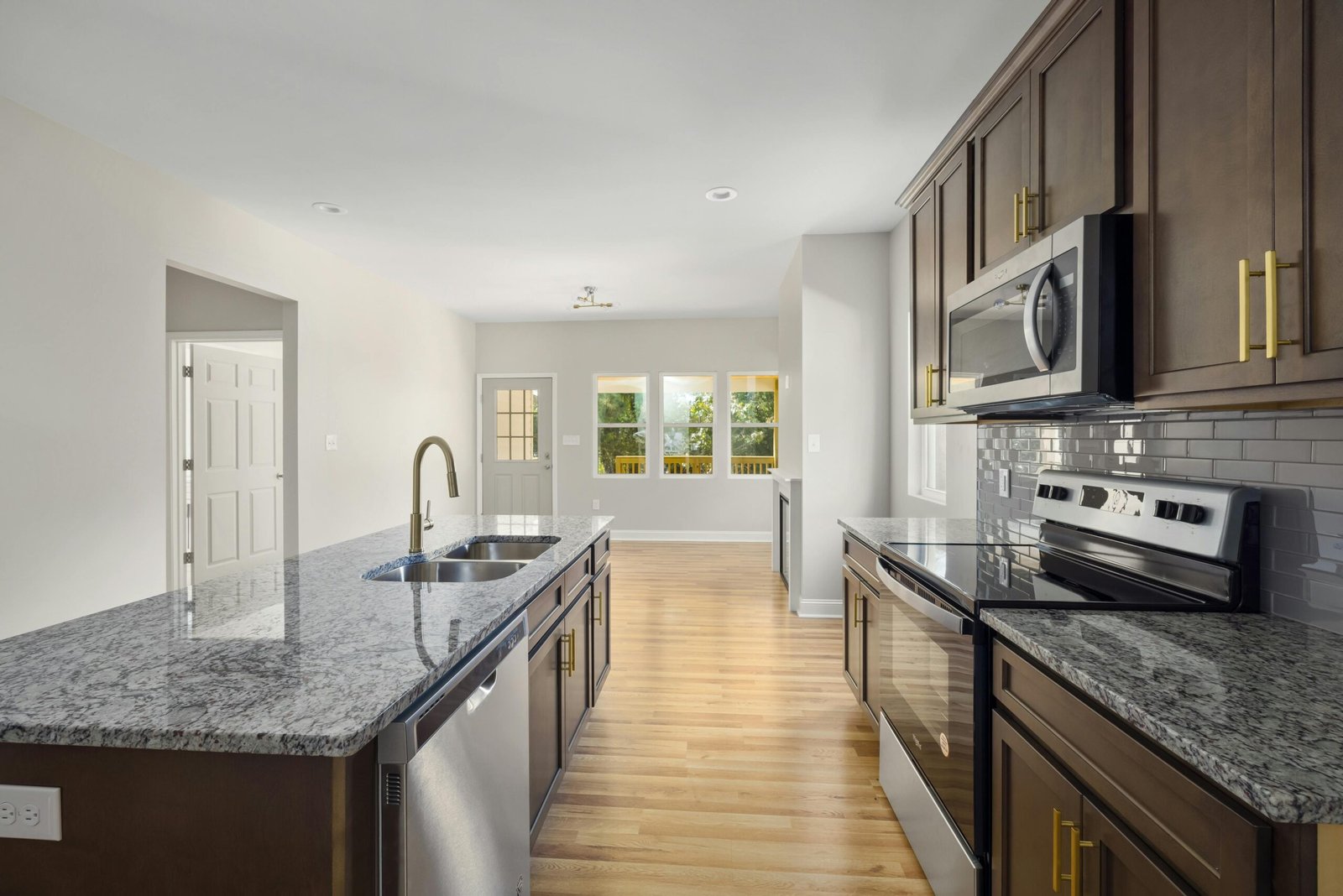
Classic custom made furniture is more than just a piece to fill your home. It is a statement of style, craftsmanship, and longevity. Unlike mass-produced furniture, each piece is carefully designed and handcrafted to meet specific requirements. When you invest in classic custom made furniture, you are not only acquiring functional items but also a lasting legacy that can be passed down through generations. Whether it is a handcrafted wooden dining table or a bespoke wardrobe, the attention to detail in custom furniture sets it apart from standard furniture you find in stores.
The appeal of classic custom made furniture lies in its uniqueness. Every design is tailored to the buyer’s needs, reflecting personal taste, lifestyle, and space requirements. Traditional furniture design is often combined with modern functionality, creating pieces that are not only elegant but also practical. By understanding the elements that define high-quality furniture, you can make confident decisions when selecting pieces for your home.
Material Matters: Choosing the Right Wood
The first sign of high-quality classic custom made furniture is the material. Genuine craftsmanship begins with selecting the right wood. Hardwoods such as oak, maple, cherry, and walnut are the most common choices for classic furniture because of their durability and natural beauty. These types of wood are not only strong but also develop a rich patina over time, enhancing the piece’s character.
When examining a furniture piece, look closely at the wood grain and texture. High-quality furniture will have a consistent, smooth finish without cracks or artificial veneers that wear off quickly. Avoid pieces made with particleboard or low-grade materials, as they may look attractive initially but lack durability. Luxury furniture makers emphasize the quality of materials as much as the design itself, ensuring each piece will last for decades.
Craftsmanship and Joinery
The skill of the craftsman is another crucial indicator of high-quality classic custom made furniture. Handcrafted furniture reflects the artisan’s attention to detail in every joint, curve, and surface. Examine how the pieces are joined together. Traditional furniture design often uses dovetail joints, mortise-and-tenon techniques, and other sturdy methods that provide strength without relying solely on glue or nails.
A well-made piece will feel solid and balanced when you lift or move it. If a cabinet, chair, or table wobbles or creaks, it is likely a sign of inferior craftsmanship. Artisans take pride in their work, and every joint is carefully aligned to ensure both stability and aesthetic beauty. Spending time observing the construction process, either in a workshop or through quality images online, can help you recognize the difference between expertly crafted furniture and mass-produced imitations.
Design and Aesthetics
Design is the soul of classic custom made furniture. Each piece is not just functional but also a work of art. High-quality furniture balances elegance with proportion, creating a harmonious appearance in any room. Traditional furniture design often incorporates classic motifs, such as carved details, curved legs, and intricate patterns.
When evaluating a piece, consider its overall appearance from every angle. The symmetry of the design, the smoothness of curves, and the consistency of carved details all signal the level of care put into its creation. Bespoke furniture allows you to personalize these elements, choosing finishes, colors, and designs that reflect your taste while maintaining the timeless appeal of classic styles.
Finish and Surface Quality
The finish on classic custom made furniture is another key factor in determining quality. High-end furniture is finished with multiple layers of protective coatings, such as natural oils, waxes, or varnishes, which not only enhance the wood’s beauty but also protect it from scratches and moisture. Run your hand over the surface to feel its texture. A smooth, even finish without sticky or rough spots is a hallmark of fine craftsmanship.
Avoid pieces with uneven stains, blotchy paint, or chipped edges, as these flaws often indicate rushed production or low-quality workmanship. Luxury furniture brands pay careful attention to the finishing process, ensuring that every curve, edge, and surface reflects meticulous care.
Functionality and Comfort
Classic custom made furniture should not only look beautiful but also serve its intended purpose comfortably. A well-designed chair should support your posture, a table should be stable and balanced, and storage pieces should open and close smoothly. Testing the furniture in person is the best way to assess functionality.
Handcrafted furniture often incorporates practical details that enhance usability without compromising style. For example, a dining table may have extendable leaves that slide effortlessly, or a chest of drawers may feature soft-close mechanisms for quiet operation. Bespoke furniture allows you to address specific needs, ensuring that your investment is both elegant and functional for everyday life.
Longevity and Value
High-quality classic custom made furniture is an investment. Unlike mass-produced furniture, which may last only a few years, custom pieces are built to endure decades. The combination of durable materials, expert craftsmanship, and timeless design ensures that these pieces can be passed down through generations.
When evaluating potential purchases, consider not just the initial cost but also the long-term value. Well-crafted furniture maintains its beauty and functionality over time, making it a smart choice for homeowners who want both quality and style. Artisan furniture often retains or even increases its value, particularly when made from premium woods and featuring exceptional design.
Personal Experience and Observation
One of the best ways to spot high-quality classic custom made furniture is through firsthand experience. Visiting workshops or showrooms allows you to see the artisans at work, observe the crafting process, and handle the finished pieces. Feeling the weight of solid wood, noticing the smoothness of polished surfaces, and listening to the quiet operation of drawers all provide clues about the furniture’s quality.
Speaking with the craftsmen or sellers can also offer insights into the furniture’s origin, materials, and techniques used. Learning about the story behind a piece adds a personal connection and reassures you that the investment is worthwhile. Personal observation remains one of the most reliable methods to distinguish between luxury handcrafted furniture and ordinary mass-produced alternatives.
Conclusion
Spotting high-quality classic custom made furniture requires attention to detail, understanding of materials, and awareness of craftsmanship. By examining the wood, evaluating joinery, appreciating design aesthetics, checking finishes, testing functionality, and observing firsthand, you can confidently identify pieces that will last a lifetime.
Investing in bespoke furniture is more than acquiring a functional item; it is embracing a tradition of artistry, quality, and personalization. Whether you are seeking a handcrafted dining table, a luxury wardrobe, or a timeless chair, the care and expertise behind each piece ensure that your home is filled with beauty, comfort, and lasting value.
Classic custom made furniture is truly a reflection of taste, style, and experience. Choosing the right piece ensures not only practical use but also an heirloom that can be cherished for generations.
