

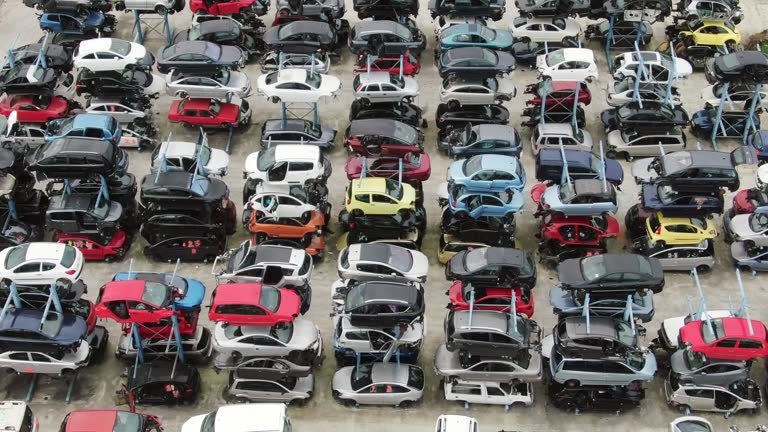
Vehicle age plays a major role in deciding whether to sell a car for resale or move toward scrapping. Many car owners in Australia face this choice each year. As vehicles grow older, their market position changes. Running costs rise, resale demand shifts, and repair risks increase. Understanding how age affects these factors helps owners make clear decisions.
This article explains how vehicle age influences resale worth and scrap outcomes. It focuses on real conditions in Australia and the practical side of ownership.
Understanding Vehicle Depreciation Over Time
Depreciation is the loss of market worth as a vehicle gets older. In Australia, most new cars lose a large portion of their original purchase price within the first five years. Industry data often shows that many vehicles may lose around half their new price during this period.
The sharpest drop usually occurs in the first three years. After that, depreciation continues at a slower pace. By the time a car reaches ten years of age, its resale worth often depends more on condition than brand appeal.
Age reduces resale price because:
- Newer models offer updated safety features
- Warranty periods expire
- Wear and tear becomes visible
- Buyers prefer lower mileage vehicles
This natural decline shapes the resale path of most vehicles.
The Ten-Year Mark and Market Demand
The ten-year mark is important in the Australian used car market. Around this age, vehicles may face:
- Higher maintenance frequency
- Increased fuel consumption
- Outdated safety technology
- Reduced buyer demand
Modern vehicles rely on electronic systems, sensors, and control units. As these components age, repair costs often increase. Replacement parts for older models may also become harder to source.
Buyers often weigh repair risk when purchasing older vehicles. This lowers demand and affects resale price.
How Age Affects Roadworthiness and Safety
Vehicle safety standards improve over time. Newer vehicles include advanced braking systems, stability control, and improved crash structures. Older vehicles may lack these systems.
In New South Wales, vehicles older than five years require annual safety inspections for registration renewal. As vehicles age, passing inspection may require more repairs.
Structural wear, suspension fatigue, and engine strain all increase with age. These factors influence whether a vehicle remains practical for road use.
Maintenance Costs and Age
Maintenance cost tends to rise as vehicles grow older. Common age-related repairs include:
- Suspension replacement
- Transmission issues
- Cooling system failure
- Electrical faults
- Oil leaks
Labour and parts expenses often exceed the market resale amount of older cars. When repair costs approach or exceed the vehicle’s market worth, owners start considering scrap options.
This financial balance plays a major role in decision making.
Mileage and Age Together
Age and mileage often work together. A ten-year-old vehicle with low mileage may still attract resale interest. On the other hand, high mileage reduces appeal even if the car is not very old.
High mileage increases engine wear and reduces remaining lifespan. Buyers factor this into their purchase decisions.
Once mileage crosses certain thresholds, resale interest shifts toward trade buyers or dismantlers rather than private buyers.
When Resale Makes Sense
Resale remains a suitable choice when:
- The vehicle passes safety inspection
- Major components function well
- Service history is complete
- Repair needs remain minor
Cars between five and eight years old often fit this category. They still attract private buyers seeking lower purchase costs compared to new vehicles.
Clean condition and proper documentation improve resale outcomes during this stage.
When Scrap Becomes the Logical Choice
Scrap decisions often arise when:
- Structural damage affects safety
- Repair cost exceeds resale price
- Engine or transmission failure occurs
- Registration renewal requires major repair
- The vehicle remains unused for long periods
Australia recycles a large percentage of end-of-life vehicles. Steel from scrapped cars returns to manufacturing streams. Aluminium, batteries, and catalytic components also re-enter production cycles.
This means that even vehicles with low resale interest still hold material worth.
Environmental Factors in Scrap Decisions
Vehicle recycling reduces landfill waste. It also lowers the need for mining raw materials. Producing steel from recycled metal uses less energy compared to producing steel from iron ore.
Older vehicles often emit higher exhaust levels compared to modern models. Removing inefficient vehicles from daily road use supports cleaner air outcomes.
Scrapping therefore plays both economic and environmental roles.
Insurance and Write-Off Considerations
Older vehicles that suffer collision damage often receive total loss classification. Insurance companies compare repair cost with market price. If repair cost approaches market worth, the vehicle may be declared a write-off.
This decision frequently affects vehicles beyond ten years of age. Owners then face scrap or dismantling paths rather than resale.
Understanding this threshold helps prepare for future outcomes as vehicles age.
The Emotional Side of Letting Go
Many owners hold emotional attachment to long-term vehicles. Family trips, first driving memories, and years of service create connection.
However, safety and financial sense must guide decisions. When age brings higher risk and rising repair cost, practical steps often outweigh sentiment.
Separating memory from mechanical reality supports responsible action.
A Practical Path When Age Reduces Resale Demand
As vehicles move beyond peak resale years, options narrow. Private buyer interest drops, and ongoing repairs strain budgets. At this stage, structured removal services become relevant.
For owners seeking an outcome aligned with vehicle age and condition, services such as top cash for car sydney available through provide a pathway when resale demand declines. This option links ageing vehicles with recycling and parts reuse systems, reflecting the natural shift from resale to scrap as cars grow older.
Key Signs That Age Is Driving the Decision
Clear indicators that vehicle age now influences direction include:
- Frequent mechanical breakdowns
- Rust appearing in structural areas
- Electrical faults affecting daily use
- Annual inspection failures
- Low market offers from buyers
Recognising these signs prevents ongoing financial loss.
Read More: https://nswautowrecker.com.au/cash-for-cars-canterbury/
Final Thoughts
Vehicle age steadily shapes resale and scrap outcomes. Early years focus on depreciation. Middle years balance resale interest with maintenance cost. Later years shift attention toward repair risk and recycling potential.
Understanding these stages allows car owners in Australia to plan wisely. Age alone does not decide the outcome, yet it strongly influences safety, demand, and long-term cost.
Clear evaluation of condition, repair needs, and market demand leads to better decisions. Whether resale or scrap becomes the chosen path, timing remains a key factor in protecting finances and road safety.
