

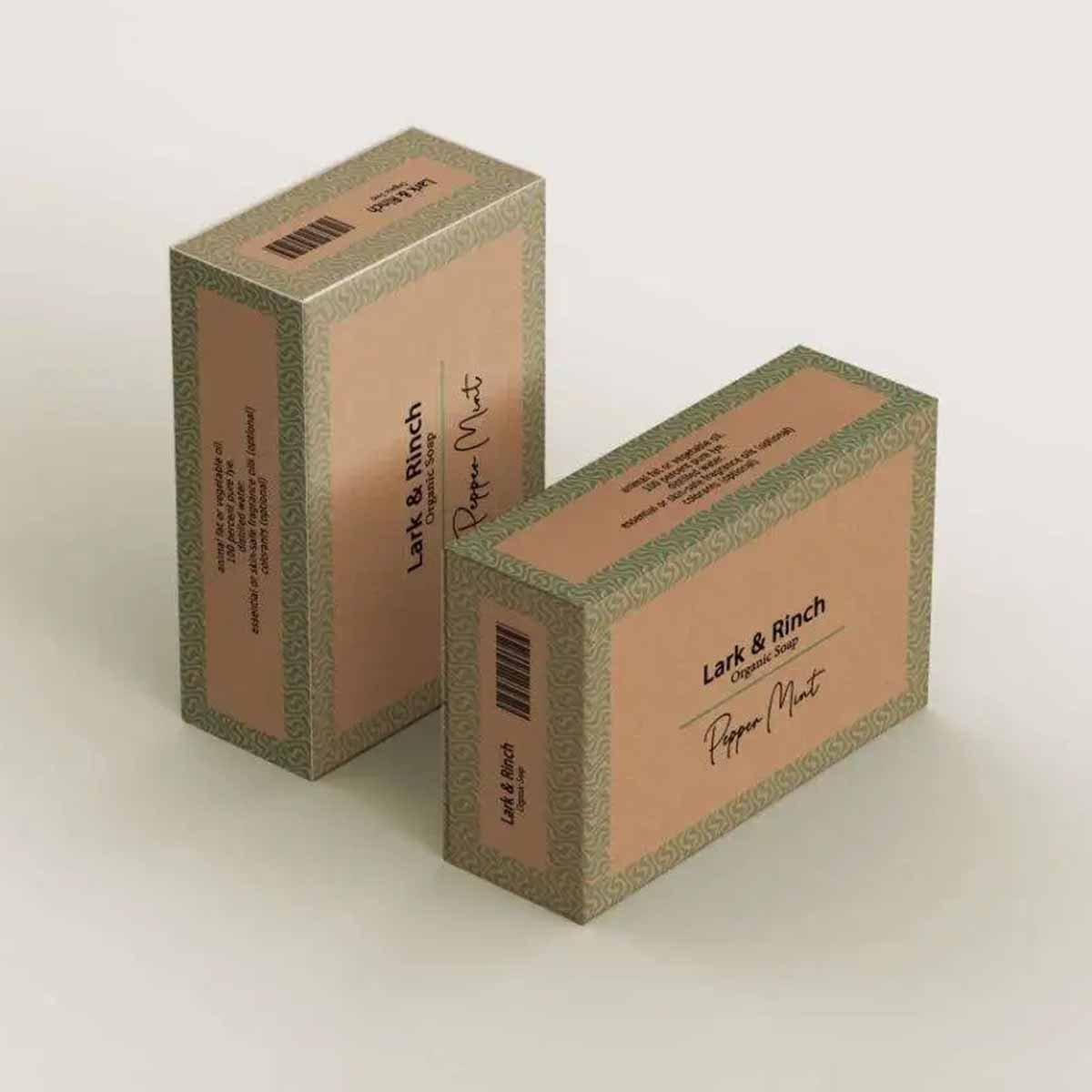
Soap packaging plays a critical role in maintaining product quality from production to end use. Unlike many dry retail items, soaps are sensitive to moisture, airflow, and physical pressure. Without proper packaging design, soaps can lose shape, develop surface defects, or experience reduced shelf life. This makes ventilation and protection essential elements in modern soap packaging strategies.
In particular, cardboard packaging for soaps has become a widely adopted option because it supports both airflow and structural safety when designed correctly. Understanding how ventilation and protection work together helps brands preserve soap quality while meeting retail and storage requirements.
Why Soap Requires Specialized Packaging
Soaps continue to change even after manufacturing. Natural curing processes, fragrance retention, and moisture evaporation all influence how soap behaves over time.
Packaging must address several challenges, including:
- Preventing excess moisture buildup
- Allowing controlled air circulation
- Protecting soap bars from dents and cracks
- Preserving scent and texture
Ignoring these factors can result in soaps becoming soft, sticky, or visually unappealing before reaching customers.
The Role of Ventilation in Soap Packaging
Ventilation allows soap to “breathe” during storage and transportation. Proper airflow helps regulate moisture levels and prevents condensation inside the box.
Key benefits of ventilation include:
- Reducing humidity accumulation
- Preventing mold or surface sweating
- Supporting longer shelf life
- Maintaining consistent soap hardness
Well-designed packaging often includes small cut-outs, slots, or breathable materials that promote airflow without compromising protection.
How Cardboard Supports Breathability
Paper-based materials naturally allow limited air exchange, which makes them suitable for soaps. In the second stage of packaging selection, many brands rely on cardboard packaging for soaps because it balances breathability with strength.
Cardboard structures can be customized to include:
- Ventilation windows or die-cut holes
- Lightweight layers that regulate airflow
- Inner spacing that prevents direct contact with walls
These features help soaps stay dry while remaining protected from external damage.
Importance of Protection During Handling and Transport
While ventilation is important, protection is equally critical. Soaps are prone to chipping, cracking, and deformation when exposed to pressure.
Protective packaging helps by:
- Maintaining soap shape
- Preventing corner and edge damage
- Shielding from external impacts
- Keeping bars securely positioned
This is especially important for fragile or handmade soaps that lack synthetic hardeners.
Packaging to Prevent Soap Damage
Effective packaging to prevent soap damage focuses on internal stability and external resistance. A well-structured box reduces movement and absorbs minor shocks during shipping.
Protective elements often include:
- Snug-fitting box dimensions
- Reinforced edges and panels
- Inserts or internal supports
- Strong folding mechanisms
These features reduce the risk of soaps rubbing against packaging walls or colliding during transit.
Balancing Ventilation With Retail Presentation
Retail environments demand packaging that looks clean and professional while still being functional. Excessive ventilation openings can weaken structure or affect shelf appeal.
Successful retail soap packaging achieves balance by:
- Integrating subtle ventilation designs
- Maintaining clean visual surfaces
- Using minimal but effective cut-outs
- Ensuring consistent branding visibility
This approach supports airflow without compromising aesthetics.
Impact on Bath and Body Product Categories
Soaps are often sold alongside lotions, bath salts, and other personal care items. Bath and body packaging boxes must meet similar performance standards while accommodating different product needs.
In shared retail displays, soap packaging should:
- Prevent fragrance contamination
- Maintain dryness in humid environments
- Offer stacking strength for shelves
- Support organized product grouping
Ventilated and protective designs help soaps perform well within broader bath and body collections.
Storage and Shelf-Life Considerations
Improper packaging can shorten soap shelf life, especially in fluctuating temperature conditions. Ventilated cardboard boxes help regulate internal conditions during storage.
Benefits for long-term storage include:
- Reduced moisture retention
- Stable soap texture over time
- Lower risk of surface discoloration
- Improved consistency across batches
This consistency is essential for brands managing inventory across multiple locations.
Sustainability and Functional Packaging Design
Ventilated cardboard packaging aligns well with sustainability goals. It often eliminates the need for plastic wraps or moisture-absorbing inserts.
Functional advantages include:
- Reduced packaging waste
- Easier recycling after use
- Lower material complexity
- Improved environmental perception
Sustainable design does not compromise protection when ventilation and structure are planned together.
Packaging Choices for Retail Soap Packaging
Retail soap packaging must perform under repeated handling, shelf stacking, and customer interaction. Boxes that combine ventilation and protection maintain product integrity even in high-traffic environments.
Retail-focused packaging typically emphasizes:
- Structural durability
- Visual consistency
- Breathable material selection
- Efficient shelf utilization
These factors contribute to better customer experience and reduced product loss. more
Long-Term Value of Smart Packaging Design
Packaging is not just a container—it is part of the product lifecycle. Thoughtful design reduces damage, minimizes returns, and preserves brand reputation.
When ventilation and protection work together, brands can rely on packaging as part of their overall product packaging solutions strategy. Well-engineered product packaging solutions ensure soaps reach customers in optimal condition while supporting storage, transport, and retail display needs.
Conclusion
The importance of ventilation and protection in soap packaging cannot be overstated. Soaps require controlled airflow to manage moisture and strong structural support to prevent damage. Packaging that successfully combines these elements helps maintain quality, extend shelf life, and improve handling efficiency.
By focusing on breathable materials, stable box structures, and damage-prevention features, soap brands can create packaging that performs reliably across production, storage, and retail environments—without sacrificing functionality or presentation.
