

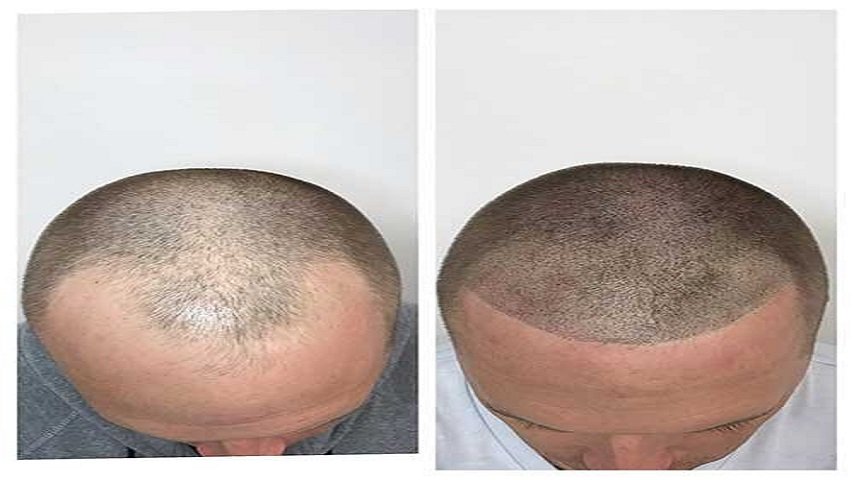
We all experience stress — from work deadlines to emotional challenges — but what if your stress is literally costing you your hair?
If you’ve noticed more strands on your pillow, hairbrush, or shower drain lately, you might be experiencing Telogen Effluvium, a common but often misunderstood form of hair loss triggered by stress.
Unlike genetic hair loss, Telogen Effluvium is usually temporary and reversible, but identifying it early makes all the difference. Let’s dive into what it is, why it happens, and what signs you shouldn’t ignore.
What Is Telogen Effluvium?
Telogen Effluvium (TE) is a stress-induced hair shedding condition where a large number of hair follicles enter the resting (telogen) phase of the hair growth cycle prematurely.
To understand it better, let’s look at your hair’s natural growth phases:
- Anagen (Growth Phase): Lasts 2–6 years; about 85–90% of hair is here at any given time.
- Catagen (Transition Phase): A short resting stage lasting 1–2 weeks.
- Telogen (Resting/Shedding Phase): Around 10–15% of hair naturally falls out before being replaced by new growth.
In Telogen Effluvium, up to 30–50% of your hair may shift suddenly into the telogen phase — leading to diffuse hair shedding across the scalp.
How Stress Triggers Hair Loss
Stress affects the body in ways we often overlook. When you’re under chronic or intense stress, your body releases cortisol, the stress hormone. This can disrupt your normal hair cycle in several ways:
- Reduced Blood Flow to the Scalp: Stress constricts blood vessels, depriving hair follicles of oxygen and nutrients.
- Hormonal Imbalance: Excess cortisol impacts estrogen and thyroid hormones, both of which regulate hair growth.
- Inflammation and Oxidative Stress: Chronic stress leads to inflammation around the follicles, weakening the roots.
- Disrupted Hair Cycle: Follicles prematurely enter the resting phase, causing sudden shedding 2–3 months later.
That’s why many people notice hair loss weeks after a stressful event — whether it’s illness, childbirth, surgery, or emotional trauma.
Common Signs of Telogen Effluvium You Shouldn’t Ignore
Recognizing the symptoms early can help you take action before the shedding worsens. Here are key signs to look out for:
1. Excessive Hair Shedding
The most obvious sign is seeing more hair fall than usual — on your pillow, in your shower drain, or when brushing.
In Telogen Effluvium, you may lose over 100–300 strands per day, and it appears as diffuse thinning rather than bald patches.
2. Noticeable Thinning All Over
Unlike pattern baldness (which affects specific areas like the crown or hairline), TE causes uniform thinning across the scalp. Your ponytail might feel thinner, or you may notice more scalp visibility under light.
3. Sudden Hair Fall After a Stressful Event
Hair shedding typically starts 2–3 months after a significant event such as:
- Emotional trauma (loss, anxiety, depression)
- High fever or severe illness
- Childbirth (postpartum hair loss)
- Major surgery or physical shock
- Rapid weight loss or crash dieting
If you can trace your hair fall to a stressful event a few months ago, it’s likely Telogen Effluvium.
4. Increased Hair in the Shower or on Pillow
This is one of the most reported early warning signs. Hair may come out easily when shampooing, combing, or even running your fingers through it.
5. Sensitive or Itchy Scalp
While TE doesn’t directly cause scalp inflammation, some individuals experience mild tenderness or itching due to follicle stress or sensitivity.
Is Telogen Effluvium Permanent?
The good news — No.
Telogen Effluvium is usually temporary, and once the underlying trigger is resolved, your hair naturally regrows over time.
Typically, hair starts to recover within 3–6 months, and full regrowth may take 9–12 months. However, persistent stress or nutritional deficiencies can prolong recovery.
How to Manage and Reverse Stress-Induced Hair Loss
The key to recovery lies in addressing both external care and internal balance.
1. Manage Stress Effectively
Since stress is the main trigger, learning to manage it is crucial:
- Practice mindfulness, yoga, or meditation.
- Prioritize adequate sleep (7–8 hours daily).
- Engage in regular exercise to boost circulation.
- Take short breaks during work to prevent burnout.
2. Eat a Balanced, Hair-Friendly Diet
Your hair reflects your nutrition. Ensure your diet includes:
- Protein: Eggs, fish, paneer, lentils
- Iron: Spinach, beets, red meat
- Zinc & Selenium: Nuts, seeds, whole grains
- Biotin & B Vitamins: Avocados, eggs, sweet potatoes
- Omega-3 Fatty Acids: Walnuts, flaxseeds
These nutrients strengthen follicles and support faster regrowth.
3. Avoid Aggressive Hair Practices
During a Telogen Effluvium phase, your hair is fragile. Avoid:
- Tight hairstyles (ponytails, buns)
- Excessive heat styling or chemical treatments
- Frequent brushing or towel-rubbing
Use mild, sulfate-free shampoos and light oils like argan or jojoba to nourish without buildup.
4. Massage Your Scalp
Gentle scalp massage increases blood flow and oxygen supply to follicles, helping them recover faster. Use oils enriched with rosemary or peppermint for extra stimulation.
5. Consider Professional Treatments
If shedding continues for over 6 months, visit a trichologist or hair specialist.
They may recommend treatments such as:
- Low-Level Laser Therapy (LLLT) – improves follicle activity.
- PRP (Platelet-Rich Plasma) Therapy – boosts regrowth through natural growth factors.
- Scalp detox and nourishing treatments – to rejuvenate the scalp environment.
When to See a Doctor
If your hair shedding is persistent, worsening, or accompanied by other symptoms such as fatigue, weight changes, or hormonal irregularities, consult a professional. Sometimes, Telogen Effluvium can overlap with nutritional deficiencies, thyroid disorders, or anemia, which need medical attention.
Final Thoughts: Your Hair Can Recover
Telogen Effluvium can be emotionally distressing, but remember — it’s a sign of your body’s stress response, not a permanent loss.
Once the trigger is addressed, most people experience complete regrowth within months.
Need the Top Hair Specialist in Vadodara for advanced hair fall and scalp treatments?
Get expert guidance, accurate diagnosis, and safe non-surgical solutions.
Achieve stronger, healthier hair with personalized care that delivers visible results.
