

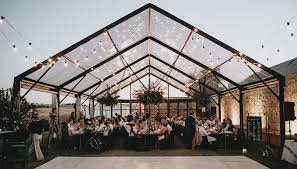
Planning a large event often involves managing many moving parts simultaneously. Venues, suppliers, timelines, and guest expectations all compete for attention. This is where large event companies play an important role. They bring structure to complex events by offering full-service hiring solutions under a single contract. Instead of coordinating multiple vendors, organisers work with a single team that manages planning, setup, and execution. This approach is suitable for corporate events, weddings, exhibitions, and large social gatherings. Understanding how these companies operate helps organisers choose the right partner and avoid costly mistakes during event delivery.
What Does Full-Service Hire Mean in Large-Scale Events?
Full-service hire covers every major element required to run an event smoothly. Large event companies manage both creative and operational tasks to reduce gaps between planning and execution. This section explains how these services fit together.
Core Planning and Coordination Services
Full-service providers usually begin with event planning and logistics coordination. They manage timelines, floor plans, supplier schedules, and on-site operations. This coordination ensures that staging, seating, catering, and technical teams work from the same plan. Many organisers rely on this structure when handling high guest volumes or tight schedules.
Equipment, Furniture, and Décor Hire
Hire services include staging, lighting, audio systems, and furniture. For weddings and formal events, wedding table hire often forms a key part of the package. Providers supply tables, chairs, linens, and styling elements that match the event theme. Centralising hire reduces transport delays and setup issues.
Types of Events Handled by Large Event Companies
Large providers support a wide range of event formats. Their scale allows them to adapt services without changing suppliers or processes.
Corporate and Business Events
Conferences, trade shows, and product launches require precise scheduling and technical reliability. Large event companies manage audiovisual systems, exhibitor layouts, and registration areas. This consistency supports professional delivery and reduces risk during live sessions.
Weddings and Private Celebrations
Weddings often involve complex styling and guest management needs. Wedding table hire plays an important role here, alongside décor, lighting, and catering coordination. Full-service providers ensure that the ceremony and reception setups transition smoothly.
Public and Community Events
Festivals, concerts, and public celebrations require crowd control, staging, and compliance management. Large providers often handle permits, safety planning, and infrastructure setup for these events.
Key Services Included in Full-Service Hire Solutions
Each service connects directly to the next, which helps maintain flow throughout the event lifecycle.
Design and Layout Planning
Design teams create layouts that balance guest comfort, safety, and visual impact. They align furniture placement, staging, and lighting with event goals. This planning reduces last-minute changes on site.
Technical Production and AV Support
Audio, lighting, and visual systems require specialist handling. Large event companies provide technicians who install and manage equipment throughout the event. This support limits disruptions during presentations or performances.
Supplier and Vendor Management
Full-service providers coordinate caterers, entertainers, florists, and equipment suppliers. This oversight keeps communication clear and avoids scheduling conflicts. For weddings, this often includes managing wedding table hire alongside décor and catering timelines.
Benefits of Choosing a Full-Service Provider
Working with one provider offers practical advantages for large events. These benefits extend beyond convenience.
Reduced Coordination Effort
Event organisers avoid managing multiple contracts and delivery schedules. Large event companies act as a central point of contact. This structure saves time during planning and execution.
Cost and Timeline Control
Established providers negotiate better supplier rates through long-term relationships. They also closely track budgets and timelines. This control helps prevent overruns that often occur with fragmented planning.
Consistent Quality Across Services
Using one provider ensures consistent standards across equipment, styling, and service delivery. For weddings, consistent wedding table hire quality improves overall presentation and guest experience.
How to Choose the Right Large Event Company
Selecting the right provider requires careful evaluation. This decision directly affects event outcomes.
Assess Experience and Event Scale
Organisers should review previous projects that match their event size and format. Large event companies typically share case studies or portfolios that demonstrate their capabilities.
Review Service Scope and Flexibility
Not all providers include the same services. Some may offer modular packages. Organisers should confirm whether wedding table hire, technical production, and staffing sit within the quoted scope.
Check Local Knowledge and Compliance
Australian events often require permits and comply with safety regulations. Providers with local experience handle these requirements efficiently. This knowledge reduces approval delays.
Final Thoughts
Large events demand clear planning and reliable execution. Large event companies offer a structured approach by combining planning, hire, and on-site management. This model suits events where scale, timing, and presentation matter. From corporate conferences to weddings, full-service hire reduces coordination pressure and improves consistency. Services such as wedding table hire fit seamlessly into broader event delivery when managed by one provider. For organisers, choosing a capable full-service partner remains one of the most effective ways to manage complexity while maintaining control and quality.
