

Opening a squat dental practice is one of the most significant milestones in a clinician’s career. Unlike purchasing an existing clinic, where infrastructure and patient flow are already in place, starting from scratch offers complete freedom but also full responsibility. Every decision you make will influence the identity, performance, and long-term viability of your future clinic. With clear planning, practical design, and organised systems, you can establish a practice that stands strong from day one.
Build a Strong Foundation Before Opening
Clarify Your Vision and Purpose
Before anything else, you need a defined vision. Identify what type of dentistry you hope to deliver, how you want patients to feel, and what makes your future clinic unique. A squat dental practice gives full creative freedom, so pinpointing your core identity early prevents confusion later.
If your plan is a high-end cosmetic practice, the atmosphere should feel premium, with streamlined workflows and modern finishes. Clarity ensures every investment supports your long-term direction.
Financial Planning and Budgeting
Launching a clinic requires thoughtful budgeting. One of the most helpful ways to stay organised is to divide your costs into four categories:
| Cost Category | What It Covers |
| Startup Costs | Legal fees, CQC registration, deposits, professional advice |
| Interiors & Fit-Out | Flooring, partitions, décor, electrical and plumbing |
| Equipment | Dental chairs, imaging units, sterilisation equipment |
| Operational Costs | Staff salaries, software, marketing, insurance |
By planning each category, you reduce the risk of unexpected expenses. Keeping a buffer for unforeseen adjustments is also wise, as new premises often present small surprises during refurbishment.
Location and Premises Strategy
Selecting the Right Site
Choosing a suitable location is one of your earliest and most influential decisions. Ideally, your premises should sit within an area that aligns with your target demographic. Look at local footfall, residential density, competition levels, and long-term development plans in the area.
Accessibility matters enormously. Patients appreciate easy parking, straightforward public transport links, and clear visibility from the street. Even the layout of the building itself can influence treatment flow, so assess ceiling heights, natural lighting, and the feasibility of creating surgery spaces.
Compliance and Regulations
A squat practice must be planned in line with CQC requirements, HTM guidelines, and other regulatory frameworks. Early compliance planning prevents expensive reworks later.
Key compliance areas include:
- Safe and hygienic decontamination processes
- Proper separation of clean and dirty workflows
- Radiation protection measures and room shielding
- Ventilation requirements for surgeries and waiting areas
- Fire safety and emergency access
By integrating compliance into your design, you create a clinic that is safe, functional, and ready for inspection.
Designing a Patient-Centred Space
Reception and Waiting Area
Your reception area is the first point of emotional contact for patients. A calm and welcoming environment sets the tone for their visit. Choose comfortable seating arranged with appropriate spacing. Soft lighting reduces anxiety, and acoustic management helps keep conversations private.
Consider practical details as well—power points for devices, durable yet stylish flooring, and a reception desk positioned for clear visibility upon entry. Even small touches such as greenery or artwork can create a sense of warmth.
Treatment Rooms Built for Comfort and Function
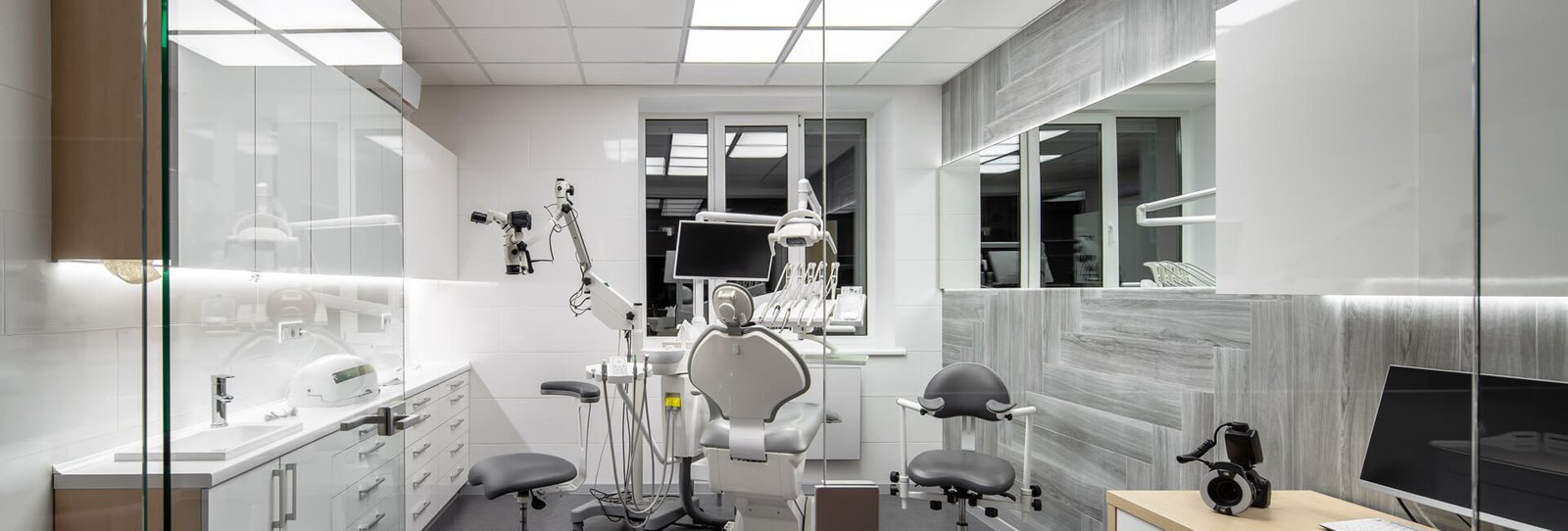
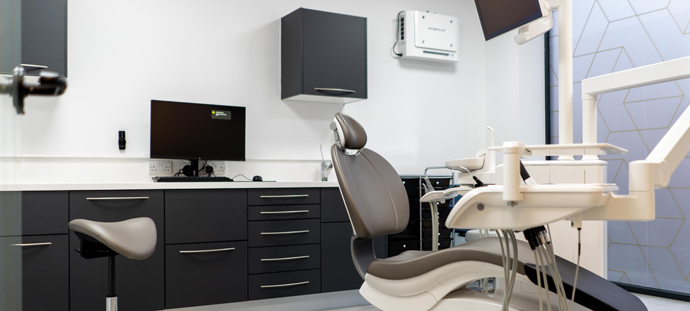
Within your clinical spaces, functionality must balance patient comfort. This is where thoughtful planning pays off. Treatment rooms require enough space to move freely around the dental chair, easy access to utilities, and cabinetry that supports efficient workflows.
Lighting is vital, both task-focused and ambient, ensuring comfort for patients and precision for clinicians. During this section, you can also refer naturally to your squat dental practice, highlighting how each decision contributes to dependable daily operations.
Technology and Equipment Planning
Choosing the Right Dental Equipment
Quality equipment is central to your practice’s performance. Your dental chair, imaging systems, handpieces, and sterilisation units should align with the services you plan to deliver. It is wise to leave spare capacity in your electrical and plumbing layouts so future upgrades can be integrated without disruptions.
Digital Systems and Practice Software
Modern clinics rely heavily on software to operate efficiently. A reliable practice management system supports appointment scheduling, patient records, billing, recalls, and compliance. Digital radiography, cloud-based records, and intuitive communication platforms all contribute to a smooth workflow and consistent patient experience.
Operational Readiness Before Opening
Recruiting and Training Your Team
Your team forms the heart of your clinic. Hire individuals who align with your values and bring a positive energy to the practice. Provide thorough training before opening so everyone understands systems, communication protocols, and patient expectations. A well-prepared team contributes to a confident launch.
Preparing SOPs and Compliance Files
Your practice must be supported by organised documentation. This includes:
- Infection control policies
- Fire safety procedures
- Waste management
- GDPR and data security
- Clinical governance folders
Having these documents in place ensures you are inspection-ready and demonstrates professionalism.
Crafting an Efficient Internal Layout
- A Smart Floorplan for Smooth Workflow: A practical layout contributes significantly to daily efficiency. Patients should move through the clinic comfortably, while staff pathways remain clear and organised. Well-positioned storage helps avoid clutter, and instrument movement should flow logically from surgeries to the decontamination room and back again.
A thoughtful floorplan also reduces stress for your team. The fewer unnecessary steps they take, the more time they can devote to patient care.
- Zoning Your Clinic Effectively: Dental clinic design plays an important role in productivity. Position your surgeries where plumbing access is straightforward and privacy is maintained. Decontamination rooms should be central for easy access. Staff areas need quiet and comfort, allowing your team to recharge between appointments.
Zoning ensures every space supports a clear purpose. It also helps maintain a clean separation between clinical and public areas, improving professionalism and infection control.

Marketing and Patient Acquisition Essentials
Branding and Identity
Your brand reflects who you are as a clinician. Choose a consistent colour palette, typeface, and communication style. Strong branding helps patients recognise and remember your clinic.
Building Your Online and Local Presence
A well-structured website is essential, with clear service pages, team introductions, and easy contact methods. Encourage early reviews from friends, family, and professional contacts. Social media platforms help build awareness, while engagement within your local community strengthens trust.
Conclusion
Launching a squat dental practice is a bold step, but with the right preparation, your journey can be smooth and rewarding. Each element—from layout planning to staff training—shapes the future strength of your clinic. Invest your time in structured decisions, and your new practice will be ready to welcome its first patients with confidence. Your preparation reflects your future success, and companies such as Divo Interiors LTD can support your vision through thoughtful planning and professional execution.
