

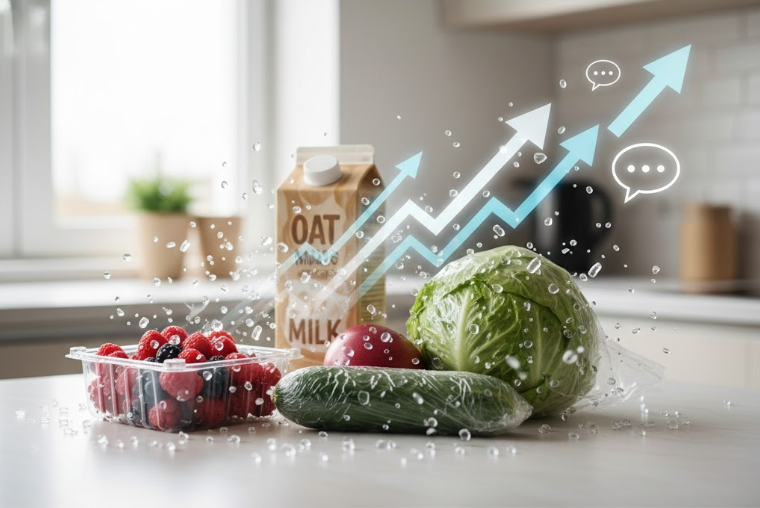
In recent years, growing awareness of environmental pollution has led to a spike in discussions about microplastics in food. From seafood to packaged goods, scientists and consumers alike are realizing that tiny plastic particles are infiltrating the food chain, potentially affecting human health. Social media platforms are now buzzing with debates, news, and personal experiences as people seek to understand the scope and impact of this modern environmental challenge.
What Are Microplastics and How Do They Enter Our Food?
Microplastics are small plastic particles less than 5 millimeters in size. They are either primary microplastics, intentionally manufactured for products like cosmetics or cleaning agents, or secondary microplastics, which result from the breakdown of larger plastic items.
These particles find their way into the food chain through multiple routes:
- Ocean contamination: Fish, shellfish, and other seafood can ingest microplastics present in polluted waters.
- Packaging materials: Plastics used for food storage or single-use packaging may shed tiny fragments.
- Agricultural sources: Microplastics can also be present in soil due to plastic mulching, fertilizers, or irrigation systems using contaminated water.
As a result, humans are exposed to microplastics in food through direct consumption of seafood, processed foods, and even beverages like bottled water.
Social Media Amplifies the Discussion
The conversation about microplastics in food has gained significant traction on platforms such as Twitter, Instagram, and TikTok. Environmental advocates, scientists, and concerned citizens share research findings, infographics, and lifestyle tips for reducing exposure. Viral content highlighting microplastic contamination in seafood or packaged products sparks both curiosity and anxiety among social media users.
Hashtags like #Microplastics, #PlasticPollution, and #SustainableEating trend regularly, encouraging communities to adopt eco-friendly practices and engage in conversations about toxins. These online discussions play a key role in raising public awareness, influencing consumer behavior, and pressuring manufacturers to adopt safer materials.
Health Concerns
While research is still ongoing, the presence of microplastics in food has raised concerns about human health. Studies suggest that prolonged exposure to microplastics could have several potential effects:
- Inflammation: Particles may trigger inflammatory responses in tissues.
- Chemical exposure: Microplastics can carry toxins like BPA, phthalates, or heavy metals.
- Gut health impact: Some evidence indicates that microplastics may disrupt the gut microbiome.
Steps to Reduce Exposure
Consumers increasingly discuss practical ways to minimize microplastics in food. While complete elimination is currently impossible, several measures can reduce risk:
- Choose fresh, unpackaged food: Minimize reliance on plastic packaging.
- Filter drinking water: Use high-quality filters to remove microplastic particles.
- Reduce seafood consumption from polluted areas: Be mindful of sourcing and seafood sustainability.
- Support sustainable brands: Favor companies that use biodegradable or recyclable packaging.
Social media often highlights DIY solutions, product reviews, and research-backed tips that empower individuals to make more informed choices.
The Role of Policy and Industry
Awareness of microplastics in food is pushing governments and corporations to take action. Regulations limiting single-use plastics, promoting recycling, and incentivizing sustainable alternatives are increasingly part of the conversation. Industries are exploring innovations such as biodegradable packaging, plastic-free manufacturing, and transparent labeling, all of which contribute to minimizing microplastic contamination in consumer products.
Moreover, research initiatives funded by environmental organizations are investigating how microplastics enter the food chain and how to mitigate their impact. Collaboration between scientists, policymakers, and the public is critical to addressing this global concern.
Conclusion
The rising social media discussions surrounding microplastics in food reflect a broader awareness of environmental toxins and the long-term health implications of plastic pollution. By educating themselves and sharing knowledge online, consumers are helping to create a culture of accountability for food manufacturers, policymakers, and communities.
While individual actions like reducing plastic use and choosing sustainable products are important, systemic change is equally necessary to protect human health and the environment from the growing threat of microplastics.
