

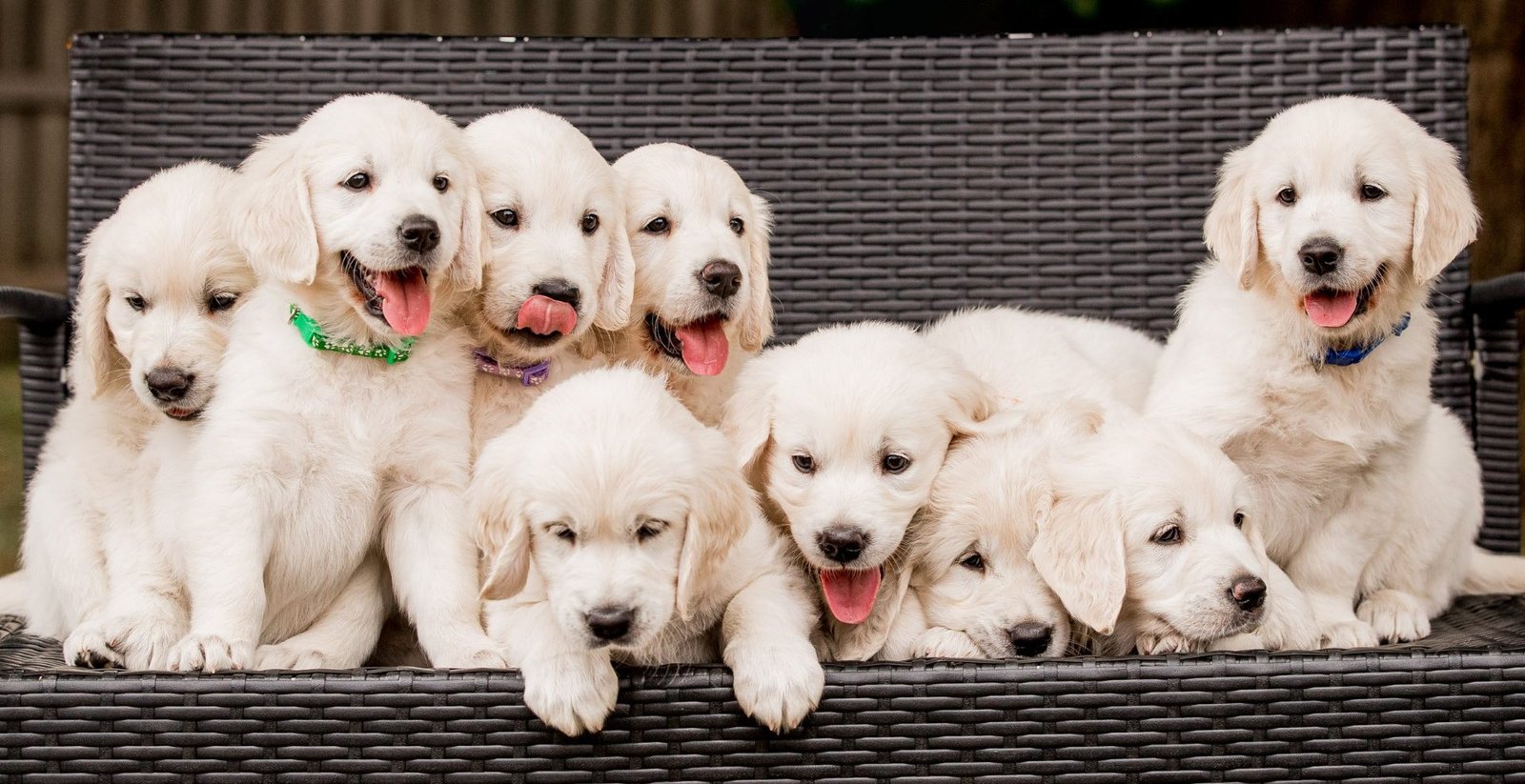
Families choosing a hybrid dog often compare the temperament, size, grooming, and daily care of the different breeds. Mini Goldens and Goldendoodles both appeal to households seeking friendly, social companions. While they share similar roots, their traits differ in practical ways. This comparison helps families understand how each dog fits into everyday routines, living space, and long-term care expectations before making a decision.
Understanding the Two Hybrid Types
Before comparing traits, it helps to understand how each hybrid develops and what influences its behavior.
What Are Miniature Golden Retrievers?
Miniature Golden Retrievers are bred to reflect Golden Retriever traits in a smaller size. Breeders often mix Golden Retrievers with smaller companion breeds to reduce height and weight. Families often choose Miniature Golden Retrievers for their gentle nature, predictable temperament, and strong attachment to people. These dogs usually show patience with children and respond well to routine training.
What Is a Mini Goldendoodle?
A Mini Goldendoodle results from breeding a Golden Retriever with a Miniature Poodle. This mix introduces more variation in coat type and energy levels. Many families prefer Mini Goldendoodles for their intelligence and adaptability. Their personality often reflects both playful curiosity and eagerness to learn through structured interaction.
Key Differences Families Should Consider
Several practical factors help families decide which hybrid suits their home and schedule.
Size and Physical Build
Both hybrids remain smaller than standard Golden Retrievers. Miniature Golden Retrievers often display a sturdier build with familiar Golden features. Mini Goldendoodles may vary more in appearance depending on generation and coat genetics. Families living in apartments often consider how easily each dog navigates limited space.
Coat Type and Grooming Needs
Coat care plays a major role in daily maintenance. Miniature Golden Retrievers usually have straight or lightly wavy coats that shed moderately. Mini Goldendoodles may have wavy or curly coats, which shed less but require regular grooming. Families should consider brushing time, grooming costs, and tolerance for shedding.
Temperament and Social Behavior
Both dogs tend to show friendly and people-focused behavior. Miniature Golden Retrievers often display calm patience and emotional sensitivity. Mini Goldendoodles often show higher energy and a greater curiosity for problem-solving. Families with young children often value consistency in reactions and emotional predictability.
Training and Activity Requirements
Training success depends on consistency and engagement. Miniature Golden Retrievers respond well to positive reinforcement and routine commands. Mini Goldendoodles often learn quickly and enjoy mental challenges. Both dogs need daily walks, playtime, and structured interaction to prevent restlessness.
Lifestyle Fit for Different Families
Choosing between these hybrids depends on daily habits and long-term expectations. Families with structured routines may appreciate the steady temperament of Miniature Golden Retrievers. Homes with active schedules and interactive play may find Mini Goldendoodles provide mental energy. Grooming tolerance, time availability, and household noise levels all influence suitability.
Conclusion
Both hybrids offer warmth, intelligence, and companionship. Miniature Golden Retrievers often suit families seeking predictable behavior and moderate grooming needs. Mini Goldendoodles may appeal to families who enjoy training engagement and coat variety. The best choice depends on lifestyle, space, and commitment to care, rather than appearance alone.
