

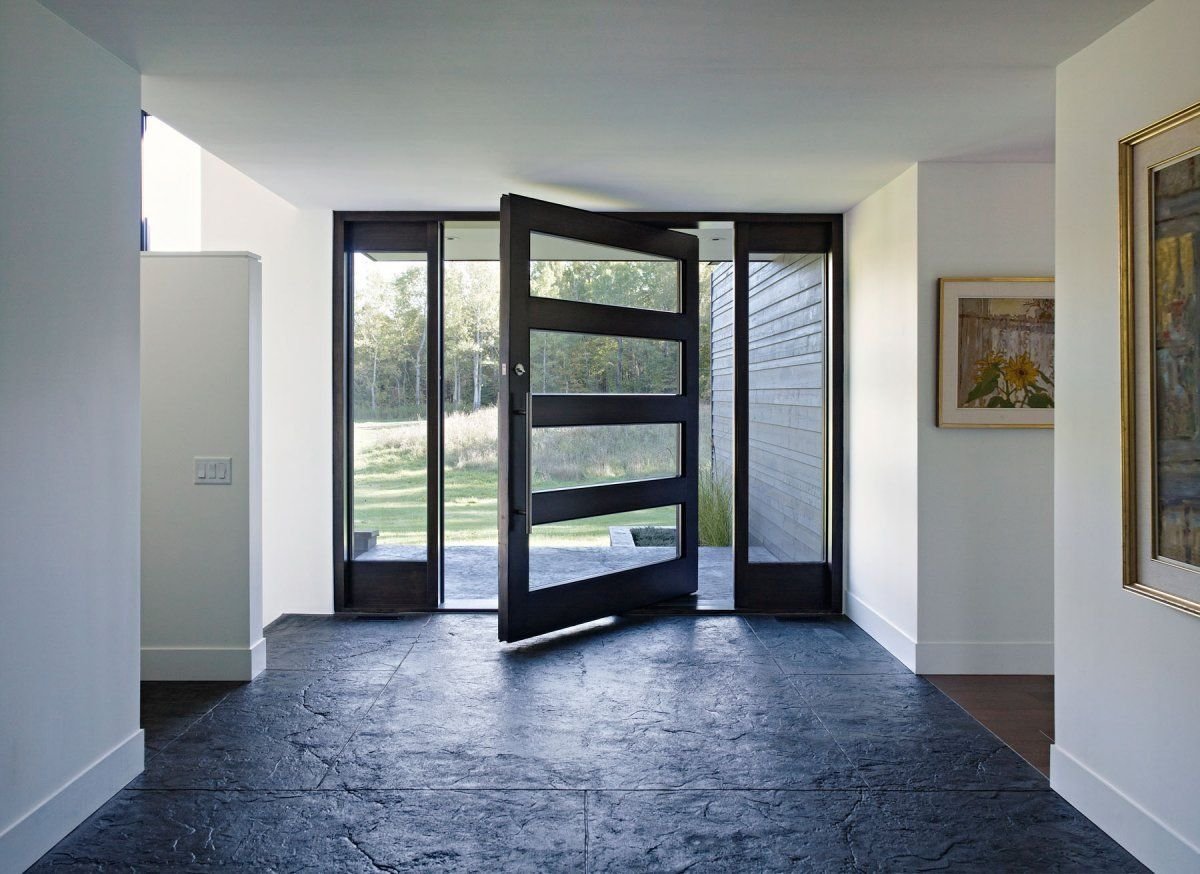
Doors may seem like a small detail in a home, but they play a big role in how a space looks and functions. The way a door opens, how much space it uses, and how it fits into the interior design all affect daily comfort. When choosing between modern inswing doors and traditional swing doors, homeowners often wonder which option suits their home better.
Both door types serve the same basic purpose, but they differ in design approach, functionality, and how they interact with modern living spaces. Understanding these differences can help you make a better decision for your home.
Understanding Traditional Swing Doors
Traditional swing doors are the most common type found in homes. They are hinged on one side and swing open either inward or outward. Most older homes and standard construction layouts are designed around this door style.
One advantage of traditional swing doors is familiarity. People are used to how they work, and they fit easily into most floor plans. They also provide solid separation between rooms, making them a reliable option for privacy.
However, traditional swing doors require clear floor space to open fully. This can limit furniture placement and movement, especially in smaller rooms. In modern interiors where space efficiency is important, this limitation becomes more noticeable.
What Makes Modern Inswing Doors Different
Modern inswing doors also swing inward, but they are designed with today’s interior needs in mind. These doors often feature cleaner lines, minimal framing, and finishes that blend into the surrounding walls.
Unlike traditional doors that stand out as a separate element, modern inswing doors aim to feel integrated into the space. The focus is on simplicity, balance, and smooth operation rather than decorative details.
Modern inswing doors are often chosen for their ability to support clean layouts. Because they open inward in a controlled way, they work well in spaces where designers want predictable movement and better use of surrounding areas.
Design and Visual Impact
Design is one of the biggest differences between these two options. Traditional swing doors often have visible frames, panels, or decorative features. While this works well in classic or traditional homes, it may feel heavy in modern interiors.
Modern inswing doors are designed to look subtle. Their clean surfaces and minimal details help maintain a calm and uncluttered look. This makes them ideal for modern, minimalist, or contemporary interiors where visual simplicity matters.
In open-plan homes, modern inswing doors help preserve the overall design theme without breaking visual flow. Traditional swing doors, on the other hand, can sometimes feel more dominant in the space.
Space Usage and Layout Flexibility
Space planning is a major factor when choosing doors. Traditional swing doors need enough room to open fully, which can interfere with furniture placement or room circulation.
Modern inswing doors are often designed with layout efficiency in mind. Their predictable swing direction allows homeowners to plan furniture placement more easily. This is especially useful in bedrooms, offices, or compact living areas.
In modern homes where every square foot matters, the ability to manage space effectively makes modern inswing doors a more practical option.
Ease of Daily Use
Both door types are easy to use, but their daily experience can feel different. Traditional swing doors can sometimes feel bulky, especially if they are heavy or poorly positioned.
Modern inswing doors focus on smooth operation. Their design often prioritizes balance and ease of movement, making them comfortable for everyday use. This matters in high-traffic areas where doors are opened and closed frequently.
The familiar swing motion of modern inswing doors also makes them suitable for all age groups, without requiring users to learn a new way of operating the door.
Privacy and Room Separation
Privacy is an important consideration in any home. Traditional swing doors provide strong visual and sound separation, making them suitable for bedrooms and bathrooms.
Modern inswing doors also offer privacy, but they do so while maintaining a lighter visual presence. They allow homeowners to separate spaces without making rooms feel closed off or heavy.
In homes where openness and privacy need to coexist, modern inswing doors strike a good balance between the two.
Maintenance and Longevity
Maintenance is often overlooked but important. Traditional swing doors may have more decorative elements that require upkeep, such as panels or trims.
Modern inswing doors are usually simpler in design, which makes them easier to clean and maintain. Their streamlined surfaces collect less dust and are easier to keep looking new.
With proper installation, both door types can last for many years. However, modern inswing doors often appeal to homeowners who want long-term functionality with minimal maintenance effort.
Matching Doors to Modern Lifestyles
Modern lifestyles demand flexibility. Rooms are no longer used for just one purpose. A bedroom might also serve as a workspace, or a living area might double as a guest space.
Modern inswing doors support this flexibility by allowing rooms to open and close smoothly without disrupting the layout. Traditional swing doors still work well but may feel less adaptable in multi-use spaces.
For homeowners updating their interiors or planning new construction, modern inswing doors align better with how spaces are used today.
Cost and Value Considerations
Cost can vary depending on materials and design, but the real value comes from how well a door fits your lifestyle. Traditional swing doors may have a lower upfront cost, but they may limit layout options in the long run.
Modern inswing doors may feel like a design upgrade, but they also add functional value by supporting better space use and modern aesthetics. This can positively impact the overall feel of the home.
Final Thoughts
Both modern inswing doors and traditional swing doors have their place in home design. Traditional swing doors offer familiarity and classic appeal, while modern inswing doors focus on clean design, better space use, and modern living needs.
If your goal is a home that feels open, organized, and visually calm, modern inswing doors are often the better choice. They balance function and style without adding unnecessary complexity.
Choosing the right door is not just about how it opens, but how it fits into daily life. Understanding the differences helps ensure your choice supports both comfort and design for years to come.
