

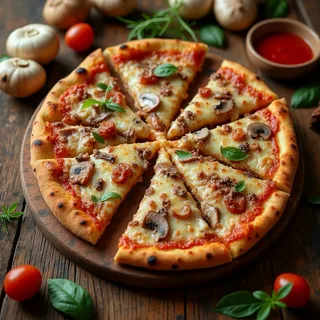
Introduction
Few foods carry the cultural weight and everyday popularity of New York Style Pizza . It is more than a meal—it is a symbol of movement, ambition, and the fast-paced rhythm of city life. Found on nearly every corner in Manhattan, Brooklyn, Queens, the Bronx, and Staten Island, this iconic slice has shaped global pizza culture in ways few dishes ever have.
But what truly makes New York Style Pizza stand apart? The answer lies not only in ingredients, but in technique, environment, and philosophy.
The Foundation: Simplicity with Precision
At first glance, New York Style Pizza appears simple. Dough, tomato sauce, mozzarella, and heat. Yet simplicity can be deceptive. Each element is carefully balanced to create a slice that is both sturdy and flexible.
The dough is crafted to achieve a thin but resilient structure. It must be crisp along the outer edge while remaining foldable at the center. This foldability is essential—it allows busy New Yorkers to eat on the move without losing toppings. Achieving this balance requires controlled fermentation, careful kneading, and precise baking temperatures.
The sauce is traditionally smooth and lightly seasoned. It enhances rather than overwhelms the crust. Mozzarella provides creamy texture and mild richness, melting evenly without excess moisture. Every layer plays a role; none dominates.
The Importance of the Bake
One of the defining features of New York Style Pizza is the baking method. Traditionally cooked in high-temperature deck ovens, the pizza develops a slightly charred underside with a crisp yet tender bite.
The heat distribution is crucial. Too low, and the crust becomes limp. Too high, and it becomes brittle. Skilled pizzaiolos understand timing as much as temperature. The result is a slice with a subtle crunch that transitions into chewiness—a contrast that keeps customers coming back.
This balance of textures is not accidental. It is the outcome of decades of refinement.
See more: Best New York Style Pizza
A Slice Designed for City Life
New York Style Pizza evolved alongside the city itself. New York is fast. It demands efficiency. The large, wide slices reflect that need. One slice is substantial enough to satisfy hunger, yet convenient enough to eat while walking between subway stops.
The pizza is typically served in oversized pies, cut into broad triangular slices. This design supports quick service, high-volume sales, and affordability. Historically, it became a working-class staple—accessible, filling, and reliable.
The folding technique—bringing the crust edges together to form a gentle crease—is both practical and iconic. It prevents toppings from sliding and creates a more concentrated bite.
The Cultural Influence of New York Style Pizza
Beyond taste and texture, New York Style Pizza carries cultural significance. It represents immigration, entrepreneurship, and adaptation. Italian baking traditions were brought to the United States and gradually transformed to suit American ingredients and urban demands.
Over time, this style became a benchmark. Cities across the country now advertise “New York Style” slices, attempting to replicate the thin crust, generous size, and classic flavor profile. It has become a global reference point in the pizza industry.
Movies, television shows, and social media have further cemented its image. The sight of a steaming slice in a paper plate is instantly recognizable around the world.
Key Characteristics That Define New York Style Pizza
While variations exist, several traits consistently distinguish this style:
- Thin, hand-tossed crust with a crisp edge
- Large diameter pies
- Balanced tomato sauce with subtle seasoning
- Evenly distributed mozzarella
- Flexible slice suitable for folding
- Light oil sheen on the surface
Each feature contributes to a unified eating experience—one that prioritizes harmony over excess.
Why Authenticity Matters
As demand grows, so do imitations. However, authenticity is more than a label. True New York Style Pizza respects process. It avoids unnecessary complexity. It focuses on technique rather than novelty toppings.
Many modern interpretations overload the slice with ingredients, sacrificing structural integrity. Authentic versions maintain proportion. The crust remains the foundation, not an afterthought.
For pizzerias aiming to deliver a genuine experience, consistency is critical. Customers expect the same crisp base, the same stretch of cheese, and the same flavor balance with every visit.
The Business Appeal of New York Style Pizza
From a business perspective, New York Style Pizza offers scalability and efficiency. Large pies allow high turnover. Simple ingredient lists reduce overhead costs. The recognizable brand identity attracts both locals and tourists.
Because of its strong reputation, businesses using this style benefit from instant familiarity. Customers know what to expect. This trust translates into repeat visits and long-term loyalty.
For entrepreneurs, mastering this style requires understanding not just the recipe, but the rhythm of service—fast, reliable, and consistent.
The Enduring Popularity of the Classic Slice
Food trends come and go. Gourmet toppings, stuffed crust variations, and fusion concepts appear every year. Yet New York Style Pizza remains steady. Its power lies in balance and reliability.
People return to it because it delivers comfort without complication. It satisfies without overwhelming. It feels both nostalgic and timeless.
In a constantly changing culinary landscape, that stability is rare.
Conclusion
New York Style Pizza is not merely a regional variation of a global dish. It is a culinary identity shaped by history, practicality, and precision. Its thin crust, foldable slice, and balanced flavors reflect the character of the city that gave it life—dynamic, efficient, and bold.
Whether enjoyed at a neighborhood corner shop or in a bustling downtown pizzeria, each slice carries a legacy built on craft and culture. That is why New York Style Pizza continues to define what a classic slice should be—simple, satisfying, and unmistakably iconic.
For more information: click here
