

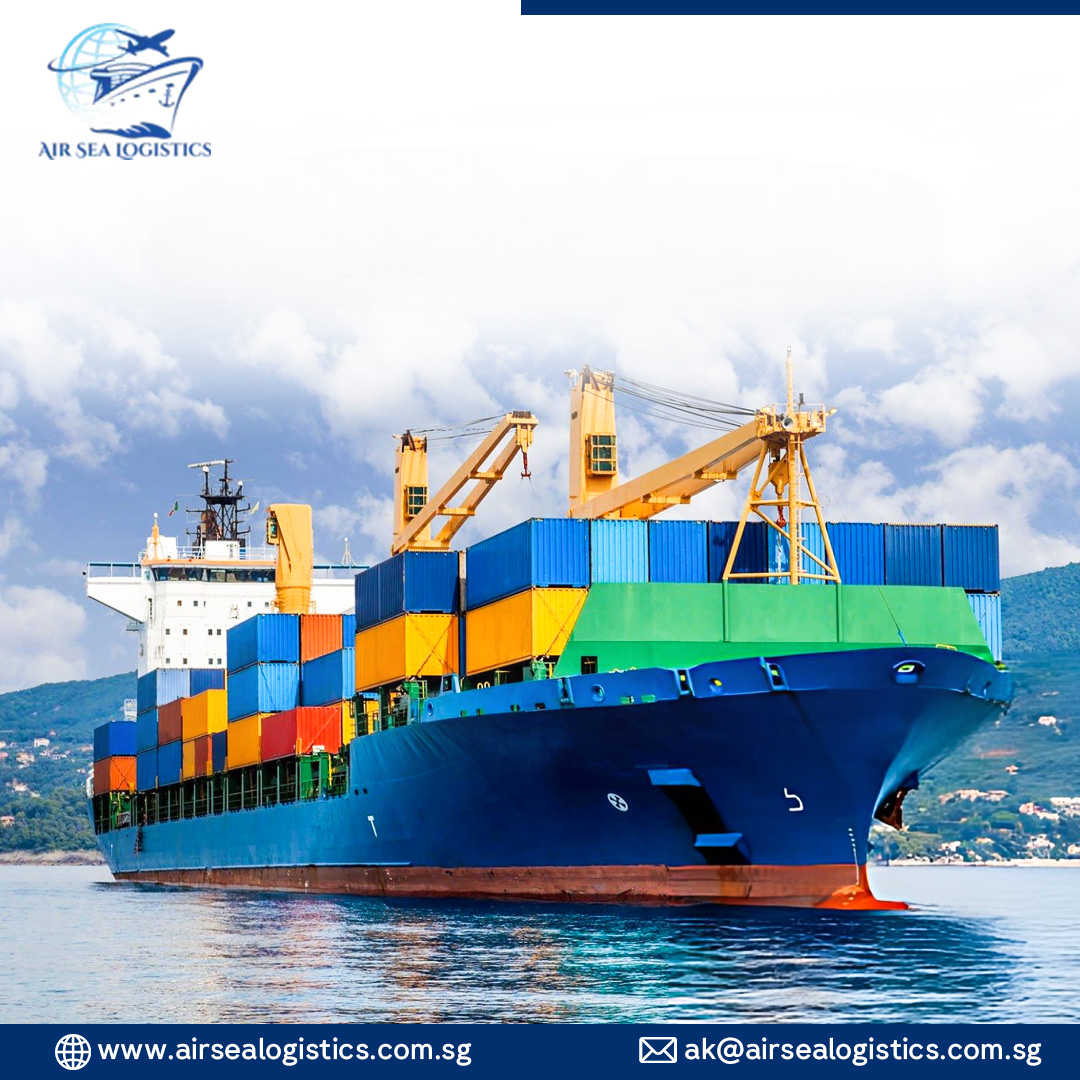
The trade relationship between Singapore and China remains one of the strongest economic partnerships in Asia. With established shipping corridors, well-developed port infrastructure, and continuous demand for goods in both markets, ocean freight plays a central role in ensuring stable supply chains. Businesses across manufacturing, chemical production, pharmaceuticals, consumer goods, and electronics depend heavily on reliable maritime transport. The major aspects of shipping between the two countries, the support frameworks available in Singapore, and the logistics services that enable smooth operations.
Ocean Freight from Singapore to China – Key Routes, Advantages & Industry Trends
The movement of goods via Ocean Freight from Singapore to China represents one of the busiest and most strategically important shipping corridors in Asia. With Singapore located at the crossroads of global maritime routes, the city-state functions as a gateway for trade, connecting Southeast Asia with China’s major ports such as Shanghai, Ningbo, Shenzhen, Qingdao, Xiamen, and Guangzhou. One key advantage is the frequency of sailings. Cargo vessels operate on tight schedules, allowing exporters and importers to plan shipments reliably. Transit times typically range from 5 to 12 days depending on port pairs and cargo type. Singapore’s port infrastructure also offers advanced container handling, automated cranes, and extensive warehousing options, enabling smooth trans-shipment operations. Businesses often rely on sea freight when transporting large volumes of goods, heavy machinery, bulk commodities, and temperature-controlled items. The cost-effectiveness of ocean freight remains unmatched for long-distance and high-volume shipments. As global trade continues to evolve, the demand for stable maritime connectivity between Singapore and China will remain strong.
Road Freight Logistics Singapore – Supporting the Inland Supply Chain
Before goods reach the port for export or after they arrive from China, inland transport plays a crucial role in completing the logistics chain. road freight logistics Singapore supports movements from warehouses, factories, industrial hubs, and distribution centres to maritime terminals efficiently. This inland network uses a combination of heavy-duty trucks, temperature-controlled vehicles, container chassis, and flatbed trailers to move cargo across the island. Although Singapore is geographically compact, road freight remains vital for timely movement, especially for businesses dealing with:
- Hazardous materials
- Construction supplies
- Manufacturing components
- Retail inventory
- Time-sensitive shipments
Furthermore, coordinated scheduling between trucking operators and port authorities ensures minimal congestion and smooth cargo handling. Road transport is also essential for just-in-time manufacturing operations, where delays can disrupt entire production lines. As trade volumes grow, the importance of well-structured road freight systems increases proportionately.
Singapore Chemical Associations – Industry Support for Safe Supply Chains
Handling and transporting chemicals require strict compliance with regulatory frameworks to ensure safety and environmental protection. The presence of Singapore chemical associations provides critical support for companies involved in production, distribution, import, and export. These associations actively promote best practices in chemical management, worker safety, hazardous goods classification, and operational transparency. They also collaborate with logistics service providers to ensure that maritime shipments involving chemicals follow international standards such as IMDG (International Maritime Dangerous Goods Code). Through training programmes, workshops, audits, and research initiatives, these associations help companies understand evolving regulations across different markets—including China, which has specific requirements for chemical imports. Carriers handling chemical cargo must be trained in safety protocols, emergency response, packaging standards, and proper documentation. This support system strengthens Singapore’s position as a global hub for high-value chemical logistics.
Singapore Pharmacy Association – Ensuring Pharmaceutical Supply Chain Integrity
Alongside chemicals, pharmaceuticals are another major category requiring specialised logistics handling. The Singapore pharmacy association plays an important role in ensuring high standards throughout the pharmaceutical supply chain. Pharmaceutical goods—especially temperature-sensitive items like vaccines, medical solutions, and specialty medicines—require controlled environments from manufacturers to end-users. Maintaining product integrity is essential, and this involves:
- Cold-chain monitoring
- Regulatory compliance
- Safe handling procedures
- Quality testing
- Proper documentation
Collaboration between logistics companies and the Singapore pharmacy sector ensures that pharmaceutical products shipped by sea or stored in warehouses meet international safety standards. This becomes even more essential when shipping to China, where regulatory requirements can vary across different provinces. By supporting research, compliance training, and quality assurance, the association contributes to a robust and reliable supply chain framework.
Ocean Freight Shipping Services – A Complete Logistics Ecosystem
Wide-ranging Ocean Freight shipping services in Singapore support the growing demand for cross-border trade with China. These services are designed to handle various types of cargo with precision and care, ensuring that shipments reach their destinations on schedule.
The ecosystem includes:
• Full Container Load (FCL)
Ideal for businesses shipping large volumes. FCL ensures exclusive use of a container, offering enhanced security and predictable transit times.
• Less-than-Container Load (LCL)
Suitable for smaller shipments. Providers consolidate cargo from multiple shippers into one container, reducing costs for low-volume exporters.
• Specialized Cargo Handling
This includes hazardous materials, refrigerated goods, perishables, chemicals, pharmaceuticals, and oversized cargo requiring unique solutions.
• Trans-shipment Services
Singapore’s position as a global logistics hub allows goods to be forwarded to secondary destinations, including multiple ports across China.
• Customs Clearance
Professionals handle documentation, tariffs, inspection procedures, and coordination with customs authorities. This is particularly necessary for high-regulation cargo types.
• Warehouse and Inventory Management
Advanced storage facilities ensure safe handling, temperature control, and seamless distribution before and after ocean carriage.
• Freight Consultation
Experts analyse trade routes, shipping schedules, regulatory changes, and cost-saving strategies to support business growth.
As China continues investing heavily in port infrastructure and international trade, demand for reliable and structured shipping solutions will continue to rise. Singapore’s logistics ecosystem is perfectly positioned to support this growth, offering world-class facilities and professional expertise.
Conclusion
Trade between Singapore and China rests on a strong foundation built through maritime connectivity, regulatory compliance, and industry support. Whether companies export manufactured goods, chemicals, pharmaceuticals, or consumer products, they rely on trusted logistics solutions and a network of supporting associations. From Ocean Freight from Singapore to China to road freight logistics Singapore, and from compliance assistance through Singapore chemical associations and the Singapore pharmacy association to comprehensive Ocean Freight shipping services, businesses can confidently navigate the complexities of modern trade. As global trade evolves, the partnership between Singapore and China will remain key to the region’s economic development. Ocean freight will continue to provide a stable, cost-effective, and high-capacity transport method, ensuring goods move seamlessly across borders.
