

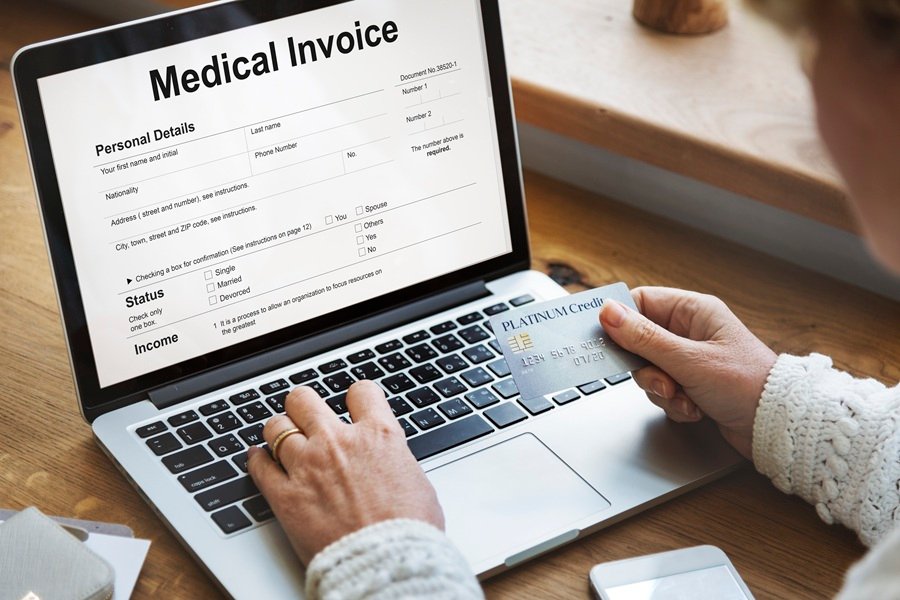
Health concerns often come without any warning to most people. Your body might need care when savings accounts look rather empty. Private care options might become needed when public systems have limits. Most patients worry about money issues during their recovery time.
Quick cash needs arise when your health matters cannot wait long. Insurance plans might not cover all the special treatments you need. The gap between what doctors charge and what plans pay creates problems. Your regular budget may not have room for these extra costs. Finding money sources becomes the main focus during medical stress. The search for funds often adds worry to already difficult times.
Smart Payment Planning
Future medical needs should feature in every solid financial plan. Setting small amounts aside weekly adds up over several months’ time. The peace of mind from proper planning makes health stress easier. Most financial experts recommend having three months of expenses saved.
Talking with medical billing offices often reveals unknown payment options available. Many hospitals reduce bills for patients with limited financial means. Your doctor might know about charity programs for specific health conditions. Patient advocate groups can guide people through complex billing systems. The stress from medical costs affects millions of people every year. Good communication often leads to better payment terms and reduced amounts.
Top Cash Solutions For Quick Funds
Medical costs can force hard choices about which bills to pay first. Your rent and food needs still exist during health problems, too. Many people turn to friends and family during such trying periods.
Here are the best ways to arrange the funds:
NHS Assistance Programs and Exemptions
The National Health Service offers several programs to help with medical costs. Many patients learn about these programs only after talking with hospital staff. Your doctor or local NHS office can guide you through the paperwork. These programs exist to ease the burden of surprise health costs.
Finding the right NHS program depends on your personal needs and financial issues. You can apply for many types of help at the same time. The savings add up quickly for anyone needing ongoing care or tests.
- Low-income scheme cards cover most health and dental costs
- Medical cards help patients with certain long-term health issues
- Prepaid options save money for those needing regular medicine
- NHS dental plans spread costs over several months
- Travel costs can be paid back for certain hospital visits
- Extra help exists for parents with children in hospitals
Quick Cash Loans
Short-term loans provide fast access to smaller amounts of money. You can often finish the whole process online within hours. The ease comes with much higher rates than regular bank loans. These loans work best when you need money now for urgent care.
Smart use of a quick cash loan needs careful planning for payback. You should figure out the full cost with all fees before saying yes. The quickest money sources often cost the most in the end. These loans fill an important gap when other options move too slowly.
- Online forms often give answers within minutes, not days
- Money goes to your account the same day with many lenders
- More people get approved than with normal bank loans
- Loan amounts usually range from £50 to £1000 for health needs
- Payback options include auto payments on set dates
Payment Plans with Healthcare Providers
Most private clinics now offer payment options for larger medical bills. You can often work out terms by talking to the billing staff. The plans split your total bill into smaller monthly amounts. These deals work better when set up before your treatment begins. Your ability to pay gets looked at when making these custom plans. Many doctors prefer this over sending bills to debt firms.
The terms vary widely between different health care groups and clinics. You should ask about any fees before signing any payment deal. Some places offer good price cuts when patients pay more upfront. The billing staff have more room to help than most patients know.
- Interest-free monthly plans spread costs without extra charges
- Price cuts often apply when making larger first payments
- Help programs exist for patients with little money or savings
- Flexible plans can match payment dates with your paydays
- Early payment offers may include lower total bill amounts
Emergency Funds and Savings
Setting aside money creates a safety net for health care surprises. Your rainy day fund should cover at least three months of bills. Many money experts suggest keeping these funds where you can get them quickly. The peace of mind from having money ready helps during tough times. Your bank likely offers simple accounts for this exact purpose.
Access to your own money removes the stress of asking for loans. You can use these funds right away without credit checks or waiting. The money stays under your control with no interest to pay back. Many people find that starting small builds the savings habit best. Your work might offer direct pay options to move money to savings.
- Quick access accounts allow easy money access when needed
- Premium bonds can be cashed in quickly for urgent bills
- Cash ISAs allow taking some money while keeping tax perks
- Building society accounts often pay better rates with short notice
- Family funds enable parents and kids to save money together
- Saving apps round up daily buys to build emergency money
Home Collection Loans
Some loan firms send agents who visit your home to discuss terms. You can talk about loan details face-to-face rather than online. The review tends to be more personal with real human contact. These home collection loans work well for people who prefer talking to real people. Your payment plan often follows the same weekly or monthly home visits.
The rates for home visits usually exceed standard bank loan costs. You pay extra for the ease and personal touch these firms provide. Some firms have built strong local trust over many years. The loan sizes usually stay smaller than what banks typically offer.
- Weekly payments match well with regular pay from work
- Agents can work around your doctor visit times
- Loan choices often happen within hours, not days
- No bank account may be needed for some home loans
- Face-to-face talks allow for sharing special money issues
Personal Loans and Credit Options
Banks and online loan firms offer many choices for medical bills. You can apply for these loans online in most cases now. The rates vary widely based on your past credit record. These loans often provide more money than quick short-term options.
Credit cards made just for health care costs have become more common. You can find cards with no interest for months on medical charges. The form works much like other credit card forms you may know.
- Medical credit cards often include zero interest for six months
- Credit unions tend to charge lower rates than big banks
- Bank drafts provide quick access to funds when needed
- Loans using your car or home as backup offer lower rates
- Pay advance plans allow early access to the money you earned
- Online lending sites connect you with people who lend money
Conclusion
Multiple funding options used together often solve big medical payment issues. Your cash flow remains more stable when combining several modest resources. The total expense tends to stay lower with this balanced approach.
Many people find less stress when bills are divided into manageable portions. This strategy allows for more flexible payment timing across different accounts. The combined method gives you better control over total debt amounts.
