

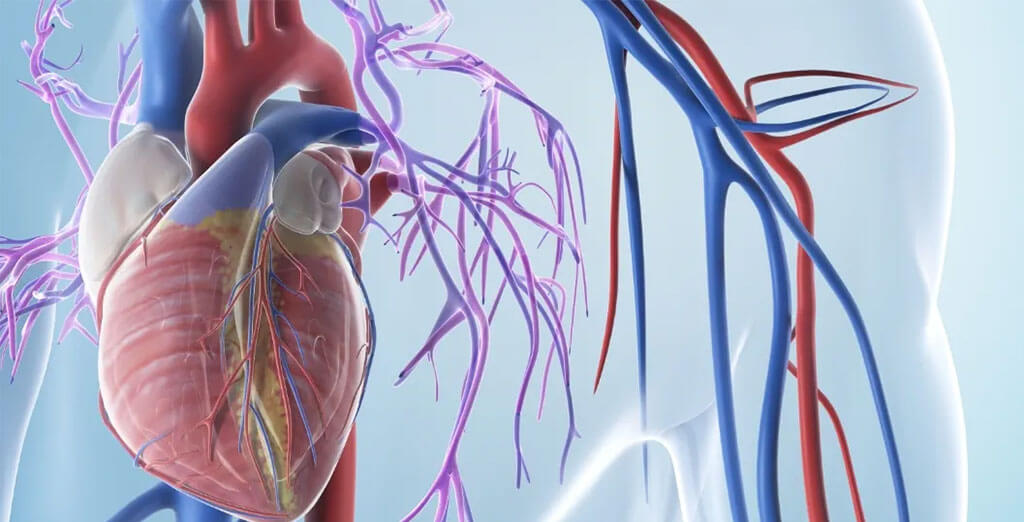
The heart is a powerful organ, but like any engine, it depends on clear pathways to function efficiently. Coronary arteries supply oxygen-rich blood to the heart muscle, enabling it to pump effectively. When these arteries become narrowed or blocked due to plaque buildup, blood flow is restricted, increasing the risk of chest pain, heart attacks, and long-term heart damage. In such cases, Coronary Artery Bypass Graft may become essential to restore circulation and protect heart health.
What Is Coronary Artery Disease?
Coronary artery disease develops gradually as cholesterol deposits, calcium, and fatty substances accumulate along artery walls. This process, known as atherosclerosis, narrows the arteries and reduces blood flow to the heart. Many people may not notice symptoms initially, but as blockages worsen, the heart struggles to meet the body’s demands.
Common warning signs include chest pain or pressure, shortness of breath, fatigue, pain radiating to the arm or jaw, and reduced exercise tolerance. When medications and lifestyle changes are no longer enough to manage these symptoms, surgical treatment is often recommended.
Understanding Coronary Artery Bypass Graft Surgery
A coronary artery bypass graft is a procedure designed to reroute blood around blocked or narrowed coronary arteries. Instead of removing the blockage, surgeons create a new pathway using a healthy blood vessel taken from another part of the body, such as the leg, chest, or arm. This new route allows blood to bypass the obstruction and reach the heart muscle efficiently.
The goal of bypass surgery is not only to relieve symptoms but also to reduce the risk of heart attacks, improve heart function, and enhance overall quality of life. For many patients, it marks a turning point toward better cardiac health.
When Is CABG Surgery Necessary?
CABG surgery is typically advised when multiple coronary arteries are blocked, when blockages are severe, or when angioplasty and stenting are not suitable options. Patients with diabetes, reduced heart pumping capacity, or left main coronary artery disease often benefit more from bypass surgery than other treatments.
Doctors rely on diagnostic tools such as coronary angiography, stress tests, and imaging scans to determine the severity of blockages and the most effective treatment plan. The decision to proceed with surgery is always made after careful evaluation of risks, benefits, and individual patient needs.
How the Procedure Is Performed
Traditional bypass surgery is performed under general anesthesia and involves opening the chest to access the heart. During the procedure, the surgeon attaches the graft vessel above and below the blocked artery, creating a new channel for blood flow. In some cases, the heart is temporarily stopped, and a heart-lung machine maintains circulation.
Advances in cardiac care have also introduced minimally invasive surgery techniques for select patients. These approaches use smaller incisions and specialized instruments, reducing trauma to the body and potentially shortening recovery time. The suitability of these techniques depends on the number of blockages, their location, and the patient’s overall health.
Benefits of Coronary Artery Bypass Surgery
Bypass surgery offers both immediate and long-term benefits. Many patients experience rapid relief from chest pain and breathlessness, allowing them to resume daily activities with greater ease. Improved blood flow helps protect the heart muscle from further damage and enhances its ability to pump efficiently.
Long-term benefits include reduced dependence on medications, improved exercise capacity, and a lower risk of future cardiac events. For many individuals, bypass surgery significantly extends life expectancy and improves overall well-being.
Preparing for Surgery
Preparation plays a vital role in achieving successful outcomes. Before surgery, patients undergo comprehensive evaluations, including blood tests, imaging, and heart function assessments. Doctors may adjust medications and provide guidance on diet, smoking cessation, and physical activity.
Mental preparation is equally important. Understanding the procedure, recovery process, and expected outcomes helps reduce anxiety and fosters a positive mindset going into surgery.
Recovery and Rehabilitation
Recovery from bypass surgery is a gradual process that continues well beyond hospital discharge. Patients typically spend several days in intensive care and the hospital before returning home. Initial fatigue, mild discomfort, and limited mobility are common but improve steadily with time.
Cardiac rehabilitation programs are strongly recommended. These structured programs combine supervised exercise, education, and emotional support to help patients regain strength, adopt heart-healthy habits, and prevent future complications. Adhering to lifestyle changes such as balanced nutrition, regular physical activity, and stress management is essential for long-term success.
Life After CABG Surgery
Life after bypass surgery often brings renewed energy and confidence. Many patients report significant improvement in daily functioning and overall quality of life. Regular follow-up appointments ensure that grafts remain healthy and that heart function is closely monitored.
While surgery addresses existing blockages, it does not cure the underlying tendency toward artery disease. Long-term commitment to healthy living remains crucial to protect the heart and maintain the benefits of surgery.
The Importance of Timely Treatment
Delaying treatment for severe coronary artery disease can lead to irreversible heart damage or life-threatening events. Early diagnosis and timely surgical intervention can dramatically improve outcomes and reduce complications. Modern surgical techniques and post-operative care have made bypass surgery safer and more effective than ever before.
Conclusion
Coronary artery bypass surgery has transformed the way advanced heart disease is treated, offering patients a reliable path to restored blood flow and improved heart function. With the right medical guidance and lifestyle commitment, patients can look forward to a healthier, more active future. Dr. Udgeath Dhir is dedicated to advancing heart care through precision diagnosis, evidence-based surgical decisions, and compassionate patient guidance, empowering individuals to rebuild blood flow, strengthen heart health, and achieve long-term cardiac wellness with confidence and trust.
