
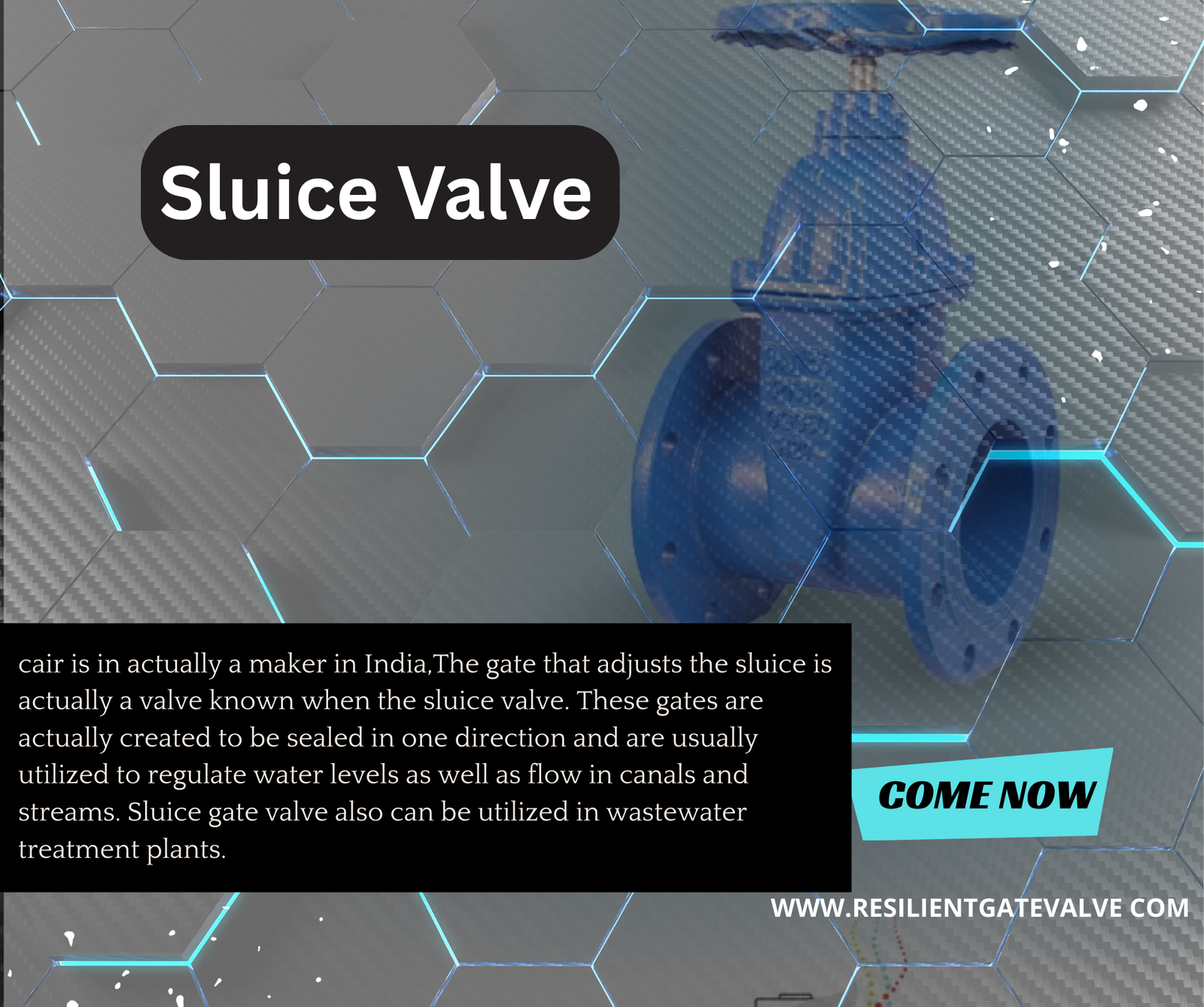
A sluice gate valve plays a vital role in modern water management systems. From controlling water flow in canals and dams to ensuring smooth operation in municipal water supply and wastewater treatment plants, sluice gate valves are trusted for their strength, simplicity, and long-term reliability.
In India, sluice gate valves are widely used in infrastructure projects due to their durability, ease of operation, and ability to handle large volumes of water with minimal pressure loss. Manufacturers like Cair, an actual maker in India, design and produce high-quality sluice gate manufacturer to meet the demanding needs of water and industrial applications.
What Is a Sluice Valve?
A sluice valve is a type of valve used to start or stop the flow of water completely in a pipeline. It works using a flat or wedge-shaped gate that moves up and down inside the valve body.
- When the gate is fully raised, water flows freely
- When the gate is fully lowered, the flow stops completely
Sluice valves are mainly used for on–off operation, not for regulating or throttling flow. Their design ensures very low pressure drop when fully open, making them ideal for large-diameter pipelines.
How Does a Sluice Gate Valve Work?
The working principle of a sluice gate valve is simple and highly reliable:
- A handwheel, gearbox, or actuator turns the valve stem
- The stem lifts or lowers the gate
- The gate opens the flow path or seals it fully
Because of this simple mechanism, sluice gate valves:
- Require less maintenance
- Perform reliably over long periods
- Are suitable for harsh operating environments
This is why they are commonly used in canals, dams, irrigation systems, and wastewater plants.
Sluice Gate Valve in Water Management Systems
Water management systems demand valves that can handle high flow rates, varying pressures, and continuous operation. Sluice gate valves are designed exactly for this purpose.
They are used to:
- Control water flow in canals and reservoirs
- Regulate water levels in dams
- Isolate sections of pipelines for maintenance
- Manage wastewater flow safely
Their ability to operate smoothly even after years of service makes them a preferred choice in public infrastructure projects.
Difference Between Sluice Valve and Gate Valve
Many people ask about the difference between a sluice valve and a gate valve. In reality, both valves work on the same basic principle.
| Aspect | Sluice Valve | Gate Valve |
|---|---|---|
| Main Usage | Water & wastewater systems | Industrial pipelines |
| Flow Control | Fully open or fully closed | Fully open or fully closed |
| Pressure Loss | Very low | Very low |
| Throttling | Not recommended | Not recommended |
In most water-related applications, the terms gate valve and sluice valve are used interchangeably.
Gate Valve and Sluice Valve – Understanding the Terminology
The term sluice valve is commonly used in:
- Municipal water supply
- Irrigation systems
- Drainage and sewer lines
The term gate valve is more popular in:
- Industrial plants
- Oil and gas pipelines
- Power and chemical industries
Functionally, both valves perform the same task—isolation of flow.
Types of Sluice Valves
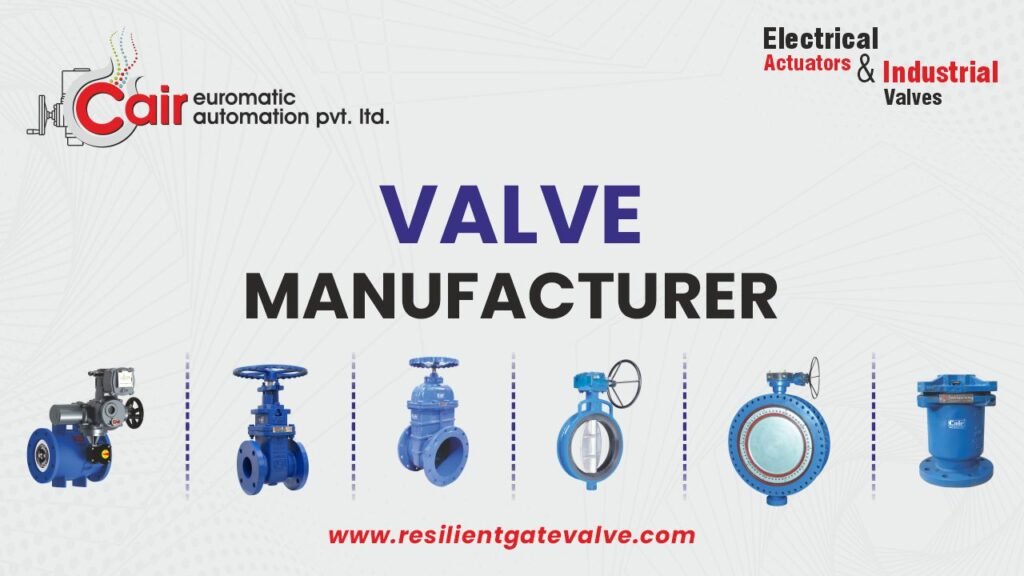
Different applications require different types of sluice valves. Below are the most commonly used types:
1. Rising Stem Sluice Valve
- Stem moves upward when opening
- Easy visual indication of valve position
- Ideal for above-ground installations
2. Non-Rising Stem Sluice Valve
- Stem does not rise
- Suitable for underground pipelines
- Space-saving design
3. Metal Seated Sluice Valve
- Strong and durable
- Suitable for high-pressure or abrasive flow
- Used in industrial and raw water applications
4. Resilient Seated Sluice Valve
- Rubber-coated gate for tight sealing
- Low operating torque
- Widely used in drinking water systems
Sluice Valve with Actuator
A sluice valve with actuator is used where manual operation is difficult or unsafe. These valves can be operated using:
- Electric actuators
- Pneumatic actuators
Advantages of Actuated Sluice Valves:
- Remote operation
- Faster response
- Reduced manpower
- Integration with automation systems
Such valves are commonly installed in water treatment plants, pumping stations, and automated irrigation systems.
Sluice Gate Valve Manufacturers in India
India has become a major manufacturing hub for sluice gate valves due to:
- Skilled workforce
- Advanced manufacturing facilities
- Cost-effective production
- Strong quality control systems
Indian manufacturers supply sluice gate valves not only for domestic projects but also for export markets.
Cair, an experienced maker in India, designs sluice gate valves that meet both Indian and international standards, ensuring reliability and long service life.
Slide Gate Valve Manufacturer – What Is the Difference?
A slide gate valve is different from a sluice valve. While sluice valves are used in pipelines, slide gate valves are used in open channels and tanks.
Common Applications of Slide Gate Valves:
- Wastewater treatment plants
- Slurry handling systems
- Open drainage channels
- Industrial process flow
As a slide gate valve manufacturer, Cair also provides solutions for controlling flow in open systems where tight shut-off is required.
Applications of Sluice Gate Valves
Sluice gate valves are widely used across multiple sectors:
- Municipal water supply systems
- Irrigation and canal networks
- Dams and reservoirs
- Wastewater and sewage treatment plants
- Industrial water pipelines
- Fire protection systems
Their ability to handle large flow volumes with minimal energy loss makes them essential in infrastructure projects.
Why Sluice Gate Valves Are Preferred for Water Flow Control
Sluice gate valves are preferred because they offer:
- Full bore opening
- Minimal pressure loss
- Strong sealing performance
- Long operational life
- Simple design and maintenance
These features make them ideal for flow control in water systems where reliability is critical.
Why Choose Cair as a Sluice Gate Valve Manufacturer?
Cair is a trusted manufacturer in India known for:
- Precision engineering
- High-quality raw materials
- Durable valve construction
- Custom-built solutions
- Strict quality inspection
Each valve is designed to perform efficiently under real operating conditions, ensuring long-term performance and safety.
Conclusion
A sluice gate valve is a crucial component in water and wastewater management systems. Whether used in canals, dams, pipelines, or treatment plants, these valves provide reliable flow isolation and long-lasting performance.
Understanding the difference between sluice valve and gate valve, selecting the right sluice valve manufacturer, and choosing a trusted Indian manufacturer ensures efficient operation and reduced maintenance costs.
1. What is a sluice gate valve used for?
A sluice gate valve is used to fully open or fully stop water flow in pipelines, canals, and water systems. It is mainly used in water supply, irrigation, dams, and wastewater treatment plants.
2. What is the difference between a sluice valve and a gate valve?
There is no major functional difference.
- The term sluice valve is commonly used in water and wastewater applications.
- The term gate valve is often used in industrial systems.
Both work by lifting or lowering a gate to control flow.
3. Can a sluice gate valve be used for flow regulation?
No. Sluice gate valves are designed for on–off operation only. They should be either fully open or fully closed. Using them for throttling may damage the gate and seals.
4. What are the main types of sluice valves?
Common types include:
- Rising stem sluice valve
- Non-rising stem sluice valve
- Metal seated sluice valve
- Resilient seated sluice valve
Each type is selected based on installation space, pressure, and application.
5. What is a sluice valve with actuator?
A sluice valve with actuator uses an electric or pneumatic actuator instead of manual operation. It allows remote and automatic opening and closing, making it ideal for large plants and automated systems.
6. Where are sluice gate valves commonly installed?
They are commonly installed in:
- Municipal water supply pipelines
- Irrigation canals
- Dams and reservoirs
- Wastewater and sewage treatment plants
- Industrial water systems
7. What materials are used for manufacturing sluice gate valves?
Sluice gate valves are manufactured using materials such as:
- Cast Iron (CI)
- Ductile Iron (DI)
- Mild Steel (MS)
- Stainless Steel (SS)
Material selection depends on pressure, temperature, and water quality.
8. What is a slide gate valve and how is it different?
A slide gate valve is used mainly in open channels and tanks, while a sluice valve is used in pipelines. Slide gate valves are common in wastewater treatment plants for controlling open flow.
9. Are sluice gate valves suitable for underground installation?
Yes. Non-rising stem sluice gate valves are specially designed for underground pipelines where space is limited.
10. Why are sluice gate valves preferred in water systems?
They are preferred because they offer:
- Full bore flow
- Very low pressure loss
- Strong sealing
- Long service life
- Simple operation and maintenance
11. Do sluice gate valves require frequent maintenance?
No. Due to their simple design and robust construction, sluice gate valves require minimal maintenance when properly installed and operated.
12. Why choose an Indian manufacturer for sluice gate valves?
Indian manufacturers offer:
- Cost-effective solutions
- Reliable quality
- Custom-built valve options
- Strong after-sales support
- Compliance with water industry standards