

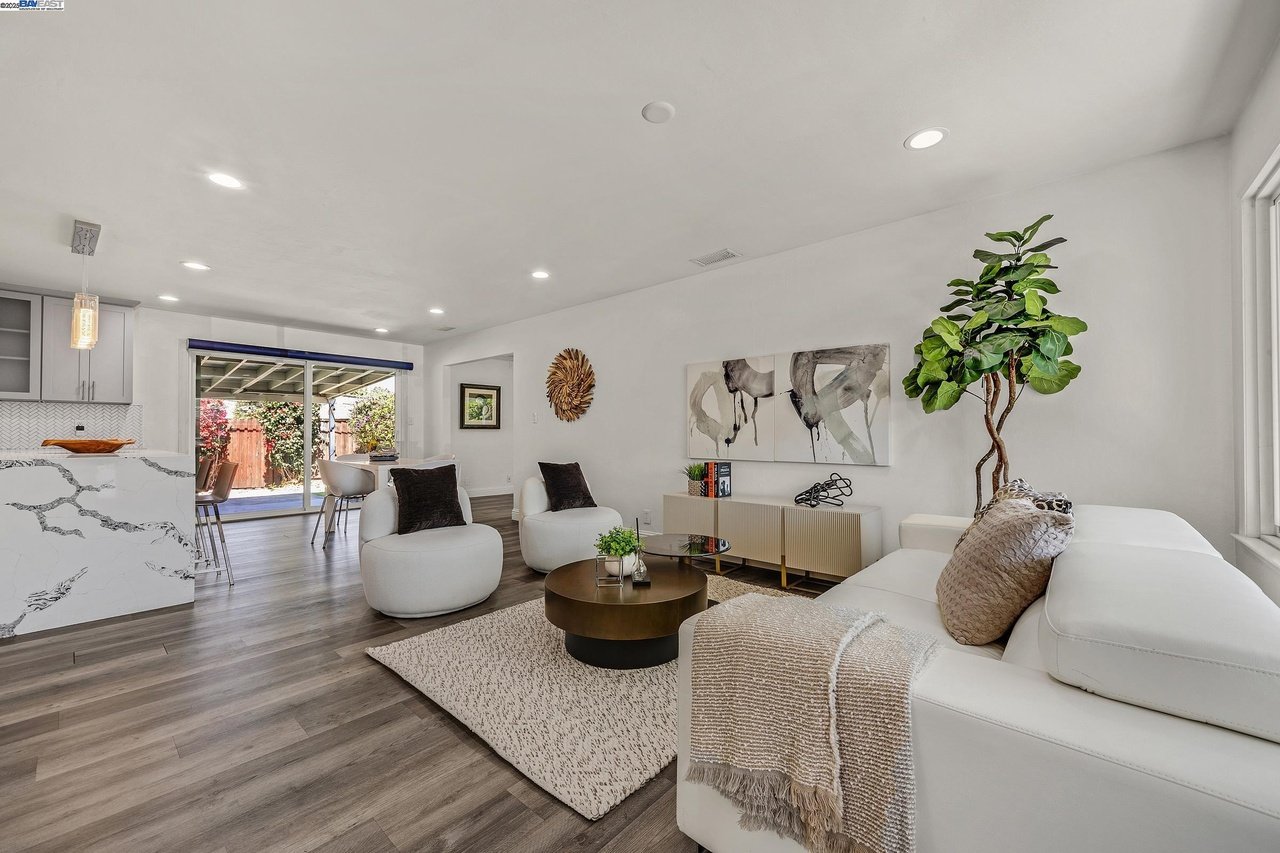
A well-staged apartment doesn’t need expansive square footage to feel impressive. In fact, some of the most captivating living spaces are compact, thoughtfully designed environments that balance function and aesthetic clarity. Small apartments present a unique opportunity: when staged strategically, they can feel open, sophisticated, and highly desirable to potential buyers or renters. The key lies in understanding how spatial perception works—how light, color, layout, and styling influence the way people experience a room.
Professional stagers know that small space staging is less about adding décor and more about refining the environment. Each piece must justify its presence. Every visual line should lead the eye smoothly across the room. The objective is simple: make the apartment feel larger, brighter, and more livable without overwhelming the available square footage.
This guide explores expert-level staging techniques that transform compact apartments into visually expansive, welcoming homes.
1. Start with a Strategic Declutter and Edit
Before introducing any design elements, the most effective staging tool is subtraction. Clutter visually shrinks a space and disrupts sightlines. Removing excess items creates breathing room and allows architectural features to stand out.
A professional staging approach includes:
- Removing oversized or unnecessary furniture
- Clearing countertops and open shelving
- Editing décor to a minimal but intentional selection
- Organizing storage areas to showcase functionality
When a room is simplified, it immediately appears larger. Buyers or renters can also better visualize their own belongings in the space, which strengthens emotional connection.
Staging experts offering home staging in Danville, CA often begin with a comprehensive editing process because it sets the foundation for every subsequent design decision.
2. Choose Light, Cohesive Color Palettes
Color plays a crucial role in spatial perception. Lighter hues reflect more light and create an airy atmosphere, making rooms feel larger and more open. Neutral tones also appeal to a broader audience and provide a clean visual canvas.
Recommended color strategies include:
- Soft whites, warm beiges, and light greys for walls
- Monochromatic or tonal color schemes
- Minimal contrast between large surfaces
- Light-colored rugs and upholstery
Consistency is key. When colors flow seamlessly from room to room, the apartment feels unified and expansive rather than segmented.
Professional stagers working in house staging in Peninsula, CA frequently use tonal palettes to enhance continuity, especially in apartments with open layouts.
3. Maximize Natural Light
Light is one of the most powerful tools in small space staging. Bright rooms feel larger, more welcoming, and more valuable. Enhancing natural light should always be a priority.
Techniques to increase brightness:
- Remove heavy drapes and opt for sheer curtains
- Keep windows clean and unobstructed
- Position mirrors to reflect light
- Use light-colored window treatments
- Avoid blocking windows with furniture
If natural light is limited, layered lighting becomes essential. Combine overhead lighting with floor lamps and table lamps to eliminate dark corners. Warm, even illumination expands visual depth and enhances comfort.
Experts specializing in home staging in Danville CA often emphasize lighting adjustments as one of the fastest ways to transform a compact apartment.
4. Use Appropriately Scaled Furniture
Oversized furniture is a common staging mistake in small apartments. While comfort is important, scale must be proportionate to the room. Choosing streamlined pieces creates better flow and preserves open space.
Consider these guidelines:
- Select furniture with exposed legs to create visual lightness
- Use slim-profile sofas and chairs
- Incorporate multifunctional pieces like storage ottomans
- Avoid bulky sectionals in compact living areas
- Keep pathways clear and navigable
Arranging furniture away from walls can also create the illusion of more space by allowing light and air to circulate.
Professionals offering house staging in Peninsula, CA frequently recommend fewer, well-chosen pieces rather than filling every corner. The result is a room that feels intentional and balanced.
5. Create Defined Zones Without Closing Off Space
In studio apartments or open-plan layouts, defining zones helps buyers understand functionality. However, physical barriers like heavy dividers can make spaces feel cramped. Instead, use subtle visual cues.
Effective zoning techniques:
- Area rugs to define living and dining spaces
- Lighting variations to signal different functions
- Furniture placement to create natural boundaries
- Open shelving for gentle separation
These methods maintain openness while clarifying how the space can be used. A well-defined layout helps viewers imagine daily living without feeling confined.
Stagers experienced in home staging in Danville CA often use zoning strategies to make smaller apartments feel purposeful and organized.
6. Incorporate Mirrors and Reflective Surfaces
Mirrors are a classic staging tool for small spaces because they amplify light and create depth. When placed strategically, they can double the visual size of a room.
Best practices include:
- Positioning mirrors opposite windows
- Using mirrored furniture sparingly
- Choosing large statement mirrors rather than many small ones
- Incorporating glass tables or reflective décor
Reflective elements enhance brightness and create the perception of extended space, making apartments feel more expansive.
7. Emphasize Vertical Space
When square footage is limited, vertical space becomes valuable real estate. Drawing the eye upward creates a sense of height and openness.
Vertical staging strategies:
- Tall bookcases or shelving units
- Floor-to-ceiling curtains
- Vertical artwork arrangements
- Wall-mounted lighting
These elements guide the viewer’s gaze upward, making ceilings appear higher and rooms feel more spacious.
Professionals providing house staging in Peninsula, CA often use vertical styling to transform compact apartments into visually dynamic spaces.
8. Keep Décor Minimal but Impactful
Small apartments benefit from carefully curated décor rather than numerous accessories. A few statement pieces can create personality without clutter.
Recommended approach:
- One or two bold art pieces
- Neutral textiles with subtle texture
- Coordinated accent colors
- Simple greenery for freshness
Plants are particularly effective. They add life and softness without overwhelming the room. Choose smaller plants or a single statement plant to maintain balance.
Staging experts in home staging in Danville CA often use minimal décor to keep attention on the apartment’s features rather than the accessories.
9. Highlight Storage Potential
Storage is a major concern in small apartments. Showcasing organized, efficient storage reassures buyers or renters that the space is practical.
Tips for staging storage:
- Neatly arrange closets with uniform hangers
- Use baskets or bins for visual order
- Display only a portion of storage capacity
- Keep cabinets partially empty
An organized storage system suggests that the apartment can comfortably accommodate daily living needs.
10. Maintain a Cohesive Flow Throughout the Apartment
Consistency in design creates visual harmony and prevents spaces from feeling fragmented. A cohesive style makes an apartment feel larger because the eye moves smoothly from one area to another.
Key elements to unify the space:
- Consistent color palette
- Similar material finishes
- Coordinated textiles
- Repeated design motifs
Professionals specializing in house staging in Peninsula, CA focus heavily on cohesion because it enhances perceived space and overall appeal.
Final Thoughts
Small apartments offer immense potential when staged thoughtfully. By focusing on light, layout, color, and scale, it’s possible to create an environment that feels both spacious and inviting. Effective staging transforms limitations into strengths, showcasing how compact living can be stylish, efficient, and comfortable.
Whether preparing a property for sale or simply enhancing its presentation, strategic staging makes a measurable difference. Techniques used by experts in home staging in Danville CA and house staging in Peninsula, CA demonstrate that even the smallest spaces can feel expansive with the right approach.
A well-staged apartment doesn’t just look bigger and brighter—it tells a story of possibility. When viewers step inside and feel openness rather than constraint, the space becomes memorable. And in real estate, memorability is what drives decisions.
