

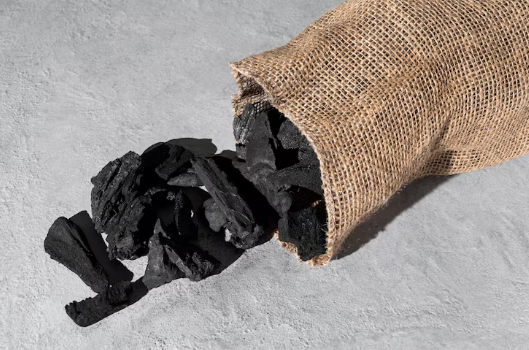
Coal has long been a cornerstone of energy production, heating, and industrial processes worldwide. However, not all coal is created equal. In recent years, the debate between smokeless coal and traditional coal has gained significant attention due to environmental concerns, health implications, and energy efficiency. Understanding the differences between these two types of coal, along with their benefits and drawbacks, can help households, industries, and policymakers make informed decisions.
What is Traditional Coal?
Traditional coal, often referred to as bituminous or anthracite coal depending on its grade, has been used for centuries as a primary fuel source. It is formed from plant material that has been subjected to heat and pressure over millions of years, resulting in a dense, carbon-rich rock. Traditional coal is widely appreciated for its high energy content, affordability, and accessibility. It has powered industries, homes, and even transportation, playing a critical role in the industrial revolution and the development of modern economies.
However, traditional coal comes with significant downsides. When burned, it produces a substantial amount of smoke, particulate matter, and harmful gases such as carbon monoxide, sulfur dioxide, and nitrogen oxides. These emissions contribute to air pollution, smog, and respiratory health issues. Moreover, coal combustion releases carbon dioxide, a major greenhouse gas, exacerbating climate change. Traditional coal also leaves behind large amounts of ash, which requires proper disposal and can damage both the environment and infrastructure.
What is Smokeless Coal?
Smokeless coal, sometimes known as anthracite-based briquettes or low-smoke coal, is designed to burn more efficiently and cleanly than traditional coal. It is produced either from naturally low-volatile coal types or by processing conventional coal to remove excess impurities and volatile components. The resulting fuel burns hotter, cleaner, and produces minimal smoke, making it ideal for indoor heating and areas with strict air quality regulations.
The primary advantage of smokeless coal lies in its reduced emissions. It generates far fewer particulates, sulfur compounds, and other pollutants compared to traditional coal. This not only benefits air quality but also reduces the risk of respiratory problems for people using coal for home heating. Additionally, smokeless coal produces less ash, making cleanup easier and extending the lifespan of stoves and fireplaces.
Efficiency and Heat Output
When comparing smokeless coal and traditional coal, efficiency and heat output are critical factors. Traditional coal, particularly higher-grade bituminous types, has a high calorific value, meaning it can produce significant heat for its weight. This makes it a popular choice for industrial applications and large-scale energy production where cost-effectiveness is crucial.
Smokeless coal, while sometimes slightly more expensive per unit, compensates with higher combustion efficiency. It burns more consistently, maintains a steady heat output, and generates fewer flames and sparks. This makes it ideal for controlled heating environments, such as domestic stoves or small-scale industrial boilers. The higher efficiency means that users may need less fuel to achieve the same heating effect, which can offset the initial cost difference over time.
Environmental Impact
Environmental considerations are at the forefront of the smokeless versus traditional coal debate. Traditional coal combustion releases high levels of pollutants, contributing to acid rain, smog, and climate change. Sulfur dioxide emissions from traditional coal can cause respiratory problems and damage vegetation, while nitrogen oxides contribute to ozone formation and global warming. Ash disposal from traditional coal also poses a threat to soil and water systems.
Smokeless coal significantly mitigates these environmental concerns. By producing minimal smoke and lower levels of harmful gases, it reduces the impact on air quality and human health. Some smokeless coals are even produced from recycled or processed materials, further enhancing their sustainability profile. While no form of coal is completely carbon-neutral, the cleaner combustion process of smokeless coal makes it a better choice for environmentally conscious consumers and communities facing air pollution challenges.
Health Considerations
Health concerns are another major factor in choosing between smokeless coal and traditional coal. Traditional coal combustion releases fine particulate matter (PM2.5), which can penetrate deep into the lungs and exacerbate respiratory conditions such as asthma, bronchitis, and lung cancer. Carbon monoxide exposure is also a risk, particularly in poorly ventilated areas, potentially leading to headaches, nausea, or even fatal poisoning in extreme cases.
Smokeless coal reduces these risks significantly. Its low-smoke properties mean fewer airborne particulates, cleaner indoor air, and a lower likelihood of carbon monoxide accumulation. This is particularly important for households using coal for home heating, as prolonged exposure to smoke and pollutants can have chronic health effects. Choosing smokeless coal can improve indoor air quality and promote long-term health benefits for residents.
Cost Considerations
Cost is often a decisive factor when choosing a fuel type. Traditional coal is generally less expensive and widely available, making it a practical choice for industrial users or regions with abundant coal supplies. Its low upfront cost can make it more accessible for families or businesses looking to minimize expenses.
Smokeless coal tends to be more costly due to the processing required to reduce impurities and enhance combustion efficiency. However, the higher price is often offset by its superior performance, lower fuel consumption, reduced maintenance needs, and fewer health-related costs. Over time, using smokeless coal can be more economical, especially in households or small-scale applications where efficiency and air quality are priorities.
Storage and Handling
Storage and handling considerations also play a role in the choice between smokeless coal and traditional coal. Traditional coal can be dusty and messy, producing soot and residue that can stain surfaces and irritate the respiratory system during handling. It also tends to absorb moisture, which can reduce its calorific value and make it harder to ignite.
Smokeless coal, on the other hand, is often formed into uniform briquettes that are easier to store and handle. They are less prone to moisture absorption and produce minimal dust, reducing mess and the potential for respiratory irritation. This convenience makes smokeless coal particularly suitable for domestic use and areas with strict air quality standards.
Combustion Control
One of the most notable advantages of smokeless coal is the control it offers over the combustion process. Smokeless coal burns more steadily and predictably than traditional coal, producing consistent heat over long periods. This controlled combustion allows for more efficient energy use and reduces the likelihood of accidental fires caused by flying sparks or sudden flare-ups.
Traditional coal can be more challenging to manage, particularly in smaller stoves or indoor settings. Its uneven burning patterns and higher smoke output require careful attention and frequent adjustments to maintain optimal heat. For households or businesses prioritizing safety and convenience, smokeless coal provides a clear advantage.
Regulations and Availability
Many countries have implemented regulations limiting the use of traditional coal in urban areas due to its impact on air quality. Smokeless coal is often promoted as a compliant alternative, allowing residents and businesses to meet environmental standards without sacrificing the benefits of coal heating.
Availability is another factor to consider. While traditional coal is widely available and often easier to source, smokeless coal can sometimes be limited to specialized suppliers. However, as demand for cleaner energy options grows, the availability of smokeless coal is steadily increasing, making it a more practical choice for environmentally conscious users.
Practical Applications
The choice between smokeless coal and traditional coal depends largely on the intended application. Traditional coal remains popular for large-scale industrial processes, power generation, and areas where cost is the primary concern. Its high energy content and widespread availability make it a reliable choice for such settings.
Smokeless coal, with its cleaner combustion, efficiency, and reduced emissions, is ideal for domestic heating, small-scale industrial use, and urban areas with strict air quality regulations. It is also a preferred choice for environmentally conscious consumers who want to minimize their carbon footprint while maintaining effective heating solutions.
Conclusion
Choosing between smokeless coal and traditional coal ultimately depends on balancing cost, efficiency, environmental impact, and health considerations. Traditional coal remains a widely used and affordable option, offering high heat output and accessibility, but it comes with significant environmental and health drawbacks. Smokeless coal, while slightly more expensive, offers cleaner combustion, improved efficiency, and reduced health risks, making it an increasingly attractive alternative for domestic and small-scale industrial use. As awareness of air pollution and sustainable energy practices grows, smokeless coal is emerging as the superior choice for those who prioritize both performance and environmental responsibility. In the ongoing evolution of energy solutions, understanding these differences empowers consumers to make informed decisions that align with their needs and values.
