

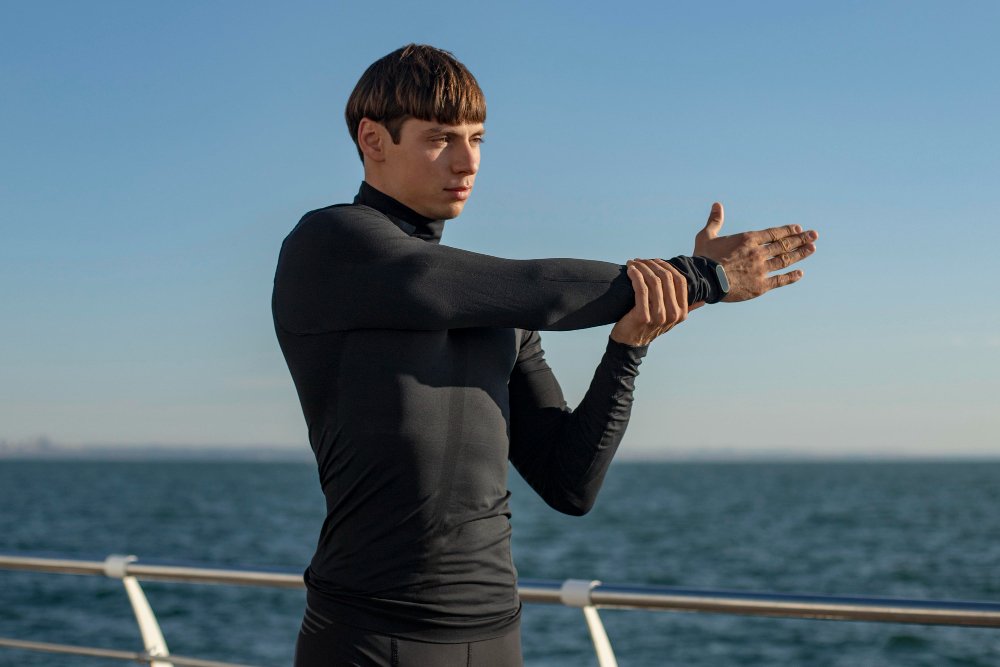
For B2B buyers in the apparel industry, the rashguard long sleeve is more than just a seasonal item; it is a technical garment that sits at the intersection of activewear and sun protection. Whether you are a surf brand manager, a resort buyer, or a distributor for water sports equipment, the “long sleeve” variant presents unique engineering challenges that short-sleeve versions do not.
As we navigate the 2026 swimwear market, consumer expectations for performance and sustainability have reached an all-time high. A “basic” long-sleeve top is no longer enough. To succeed in the B2B business landscape, you must solve the technical friction points that lead to product failure and high return rates. This article identifies the most pressing problems in production and provides the expert solutions needed to optimize your supply chain.
1. The “Sleeve Torque” Problem: Fit and Mobility
The most common complaint with a rashguard long sleeve is “sleeve torque”—where the fabric twists around the arm during high-intensity movement, such as paddling or swimming. This is often caused by poor grain line alignment during the cutting phase of garment production.
The Solution: Mandate the use of 3D pattern grading and laser-cutting technology. By ensuring the fabric is cut exactly on-grain, you prevent the material from twisting. Furthermore, insist on a raglan sleeve construction rather than a traditional set-in sleeve. Raglan sleeves provide a wider range of motion in the shoulder area, which is critical for surf gear and performance activewear products.
2. UV Degradation and “Wet-Stretch” Transparency
While a rashguard long sleeve is primarily purchased for UPF 50+ protection, many B2B buyers struggle with “wet-stretch” transparency. This occurs when the fabric stretches over the elbows and shoulders, thinning the knit and allowing UV rays to penetrate the skin.
The Solution: Specify a high-density nylon-spandex or PBT blend with a minimum weight of 210 GSM. High-denier yarns provide better coverage even when the garment is under tension. Always request a UV lab report that tests the fabric in both “dry” and “stretched-wet” states. In 2026, professional swimwear vendors should provide verifiable certification from bodies like OEKO-TEX® or SGS to prove that the sun protection is structural and not just a temporary chemical coating.
3. Combatting Seam Irritation and “Salt-Water Rash”
The increased surface area of a long-sleeve garment means more seams in contact with the skin. Traditional overlock stitching can cause “chafing” at the wrist and underarms, which is exacerbated by salt water and sand.
The Solution: Move to Flatlock Stitching as the factory standard. A 6-needle, 4-thread flatlock seam ensures that the join is as flat as the fabric itself, eliminating the “ridge” that causes skin irritation. For premium custom swimsuit lines, consider adding thumbhole cuffs. These help keep the sleeves in place during active use, providing continuous wrist protection and preventing the “ride-up” that exposes skin to the sun.
4. The Sustainability Barrier: High Performance vs. Eco-Impact
In the current sustainable fashion climate, B2B procurement is under pressure to move away from virgin plastics. However, many recycled polyester fabrics lack the “snap-back” elasticity required for a tight-fitting rashguard long sleeve.
The Solution: Sourcing ECONYL® (regenerated nylon) or REPREVE® (recycled polyester) is the answer. These branded fibers have perfected the balance of 4-way stretch and compression. Partner with a swimsuit factory that specializes in these materials and utilizes sublimation printing. This digital printing method ensures that your vibrant designs—whether they are tropical prints or corporate logos—do not crack or peel, while using significantly less water than traditional screen printing.
5. Managing Lead Times and Minimum Order Quantities (MOQs)
The technical nature of the rashguard long sleeve often leads to longer lead times in the manufacturing process, especially when custom-dyed fabrics are involved. For many B2B buyers, high MOQs from top-tier manufacturing hubs can stifle seasonal agility.
The Solution: Look for swimwear manufacturers who offer “Greige Goods” programs. By keeping un-dyed, high-quality fabric in stock, factories can pivot quickly to sublimation print your designs on demand, effectively lowering MOQs and cutting lead times from months to weeks. This “Just-In-Time” (JIT) approach is essential for staying competitive in the fast-paced apparel industry.
Conclusion
Success in the rashguard long sleeve category requires an “expert-first” mindset. By solving the issues of sleeve torque, UV consistency, and seam comfort, you elevate your brand from a mass-market player to a technical leader.
The garment manufacturing world of 2026 rewards transparency and technical precision. When you prioritize the structural integrity of your long-sleeve pieces, you reduce returns, increase customer loyalty, and build a more resilient B2B business.
