

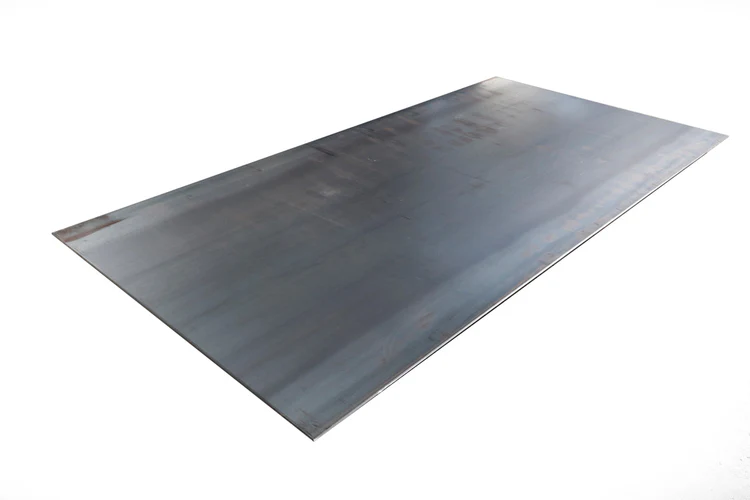
Steel plate is one of the most essential materials used in construction, manufacturing, and heavy industries. Known for its strength, durability, and versatility, steel plate plays a critical role in building infrastructure, machinery, ships, bridges, and industrial equipment. Whether used in large-scale structural projects or precision-engineered components, steel plate remains a backbone of modern industry.
In this comprehensive guide, we will explore what steel plate is, its types and grades, common applications, benefits, and how to choose the right supplier for your needs.
What Is a Steel Plate?
A steel plate is a flat, rectangular sheet of steel that is thicker than steel sheet or steel strip. Typically, steel plates are manufactured through hot rolling or cold rolling processes and are available in various thicknesses, widths, and lengths.
Steel plates are categorized based on their thickness, material composition, and intended application. They can range from thin plates used in light fabrication to extremely thick plates designed for heavy-duty industrial applications.
How Steel Plates Are Manufactured
Steel plates are usually produced using two primary processes:
1. Hot Rolling
Hot-rolled steel plates are formed at high temperatures, making them easier to shape and form. This process is cost-effective and ideal for structural components, bridges, and heavy machinery.
2. Cold Rolling
Cold-rolled steel plates are processed at room temperature, resulting in a smoother finish and tighter tolerances. These plates are often used where precision and surface quality are important.
Types of Steel Plates
There are several types of steel plates available in the market, each designed for specific uses.
1. Carbon Steel Plate
Carbon steel plates are widely used due to their strength and affordability. They are commonly found in construction, structural frameworks, and machinery manufacturing.
2. Mild Steel Plate
Mild steel plates contain a low percentage of carbon, making them easier to weld and form. They are commonly used in general fabrication and structural applications.
3. Stainless Steel Plate
Stainless steel plates contain chromium, providing corrosion resistance. These plates are ideal for marine environments, chemical plants, and food processing industries.
4. Alloy Steel Plate
Alloy steel plates include additional elements such as nickel, chromium, or molybdenum to enhance strength and durability. They are often used in high-pressure environments.
5. Wear-Resistant Steel Plate
Designed for heavy-duty applications, wear-resistant steel plates are used in mining equipment, crushers, and earthmoving machinery.
Common Grades of Steel Plate
Steel plates are also categorized by grades that indicate strength and composition. Some widely recognized structural steel grades include those used in major engineering projects worldwide.
For example, many modern skyscrapers and infrastructure projects rely on high-strength steel plates. Structures like the Burj Khalifa in Dubai demonstrate how advanced steel materials contribute to stability and durability in extreme environments.
Different grades are selected based on load-bearing requirements, environmental exposure, and fabrication needs.
Applications of Steel Plate
Steel plates are used in a wide range of industries due to their mechanical strength and adaptability.
1. Construction and Infrastructure
Steel plates are extensively used in bridges, buildings, stadiums, and highways. They provide structural support and reinforcement for foundations and frameworks.
2. Shipbuilding and Marine Industry
Ships, offshore platforms, and marine structures rely heavily on corrosion-resistant steel plates to withstand harsh ocean conditions.
3. Automotive Industry
Steel plates are used in chassis components, frames, and heavy-duty vehicle parts due to their high strength and durability.
4. Manufacturing and Heavy Machinery
Industrial machines, pressure vessels, and storage tanks require thick steel plates for strength and safety.
5. Mining and Earthmoving Equipment
Wear-resistant steel plates are commonly used in excavators, loaders, and crushers where abrasion resistance is critical.
Benefits of Steel Plate
Steel plate offers several advantages that make it indispensable in industrial and construction applications:
High Strength
Steel plates can support heavy loads and withstand extreme pressure.
Durability
They are resistant to impact, wear, and environmental factors.
Versatility
Available in various grades, thicknesses, and finishes to meet diverse requirements.
Weldability
Most steel plates can be easily welded and fabricated.
Cost-Effectiveness
Steel plates provide long-term value due to their durability and low maintenance needs.
Steel Plate in the Australian Market
Australia’s construction, mining, and infrastructure sectors heavily rely on high-quality steel plate products. From large-scale commercial developments to industrial fabrication projects, steel plates play a critical role in ensuring safety and structural integrity.
When sourcing steel plate materials, choosing a reliable supplier is essential. Businesses and contractors in Australia can explore trusted suppliers like https://steelmart.com.au/ for a range of steel plate options suitable for structural and industrial applications.
Working with experienced suppliers ensures compliance with Australian standards and guarantees material quality.
How to Choose the Right Steel Plate
Selecting the appropriate steel plate depends on several factors:
1. Application Requirements
Consider load-bearing capacity, environmental exposure, and intended use.
2. Thickness and Dimensions
Choose the correct thickness and size based on structural design specifications.
3. Corrosion Resistance
For marine or chemical environments, stainless or coated steel plates are recommended.
4. Industry Standards
Ensure the steel plate meets local and international quality standards.
Consulting with a reputable supplier can help determine the most suitable material for your project. Platforms such as https://steelmart.com.au/ provide access to various steel plate grades and professional guidance for industrial and commercial needs.
Maintenance and Longevity
Proper maintenance can extend the lifespan of steel plates:
- Apply protective coatings when used in corrosive environments.
- Conduct regular inspections for structural applications.
- Store materials properly to prevent surface damage.
With appropriate care, steel plates can last for decades, making them a reliable long-term investment.
Steel Plate vs. Steel Sheet
While both are flat steel products, the key difference lies in thickness. Steel plates are thicker and designed for heavy-duty applications, whereas steel sheets are thinner and used for lighter fabrication and manufacturing tasks.
Understanding this distinction helps ensure the correct material is selected for your project.
Future of Steel Plate Industry
As infrastructure development and industrial expansion continue globally, the demand for steel plates remains strong. Innovations in steel manufacturing are improving strength-to-weight ratios, corrosion resistance, and sustainability.
With increasing focus on renewable energy projects, transportation infrastructure, and urban development, steel plates will continue to play a central role in shaping modern construction and engineering.
Conclusion
Steel plate is a fundamental material in construction, manufacturing, shipbuilding, mining, and infrastructure development. Its strength, durability, versatility, and cost-effectiveness make it one of the most widely used steel products worldwide.
If you want read more interesting blog visit over website atechvibe
