

Everyday fashion no longer follows rigid rules or formal dress codes.
People now dress for real life—work-from-anywhere days, social plans, and long hours on the move.
Streetwear retailers have played a major role in this shift, shaping how modern wardrobes look and feel.
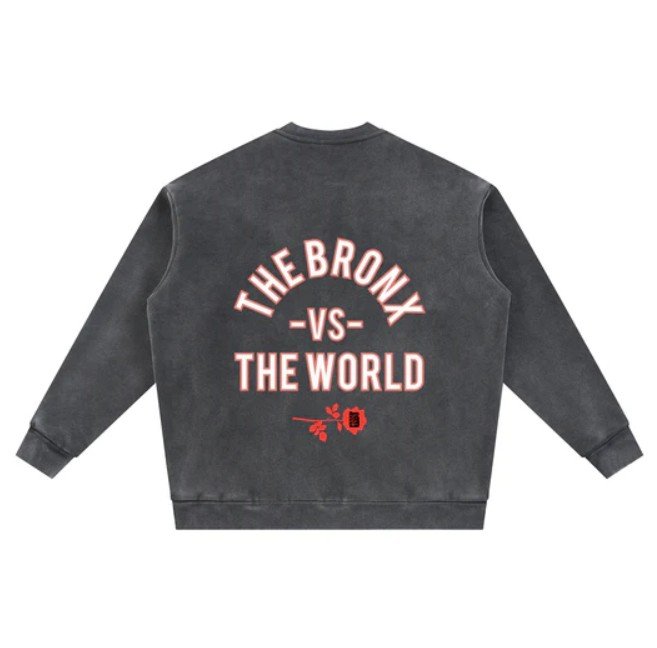
Streetwear began as a cultural movement rooted in music, skate culture, and local communities. Over time, it moved beyond niche circles and became part of daily fashion choices for people of all ages. What makes this transition interesting is how naturally it happened. Instead of forcing trends, streetwear adapted to how people already wanted to dress.
How Streetwear Became Everyday Wear
The rise of casual workplaces and flexible lifestyles changed clothing priorities. Comfort, fit, and personal identity started to matter more than formality. Streetwear answered those needs with relaxed silhouettes, breathable fabrics, and pieces that work across different settings.
A hoodie paired with clean sneakers can feel just as appropriate for a casual meeting as it does for weekend errands. This practicality is one reason streetwear moved from the margins into the mainstream without losing its edge.
What Makes Modern Streetwear Retailers Different
Today’s retailers focus less on fast-changing fashion cycles and more on consistency. Instead of pushing dozens of collections each year, many release smaller drops built around strong ideas or cultural references.
This approach creates anticipation and avoids oversaturation. Shoppers aren’t just buying clothes—they’re buying into a story or mindset that feels personal. Social platforms have reinforced this, with customers sharing outfits, styling ideas, and real-life use rather than polished campaigns.
Streetwear retailers also listen closely to their audience. Feedback influences fits, colors, and graphics far more than traditional fashion forecasting ever did.
The Growing Influence of Womens Street Wear
One of the most noticeable shifts in recent years is the rise of women’s street wear as its own category. What started as borrowed styles has turned into thoughtfully designed collections made for women’s bodies and preferences.
Oversized jackets, relaxed trousers, cropped hoodies, and statement sneakers are now everyday staples. Women choose these pieces not just for comfort, but because they allow more freedom in personal style. Retailers have responded with better sizing, refined cuts, and designs that feel intentional rather than adapted.
This change reflects a wider cultural movement where fashion supports individuality instead of prescribing it.
Quality Over Loud Branding
Modern streetwear doesn’t rely on oversized logos to make an impact. Many shoppers prefer subtle graphics, clean typography, or small details that reward a closer look.
Quality has also become a deciding factor. People want pieces that hold up after repeated wear, not items that look good once and fade quickly. Retailers that focus on solid construction and thoughtful design tend to build stronger loyalty over time.
How Streetwear Fits Real Life
Streetwear works because it mirrors everyday routines. A single outfit can move from morning coffee to evening plans without feeling out of place. This adaptability explains why streetwear remains relevant even as trends change.
It’s also why communities form around brands. When people see their lifestyle reflected in what they wear, clothing becomes part of identity rather than decoration.
A Style That Keeps Evolving Naturally
Streetwear continues to grow because it stays connected to real people and real routines. It changes alongside culture, not ahead of it.
Brands like Bronx Native show how streetwear can stay grounded in authenticity while fitting seamlessly into daily life, proving that the most lasting style comes from understanding how people actually live and dress.
