

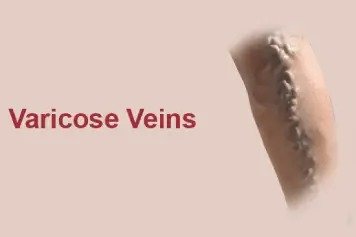
Modern medicine is rapidly moving toward minimally invasive treatments, offering patients effective solutions without the fear of large incisions or long recovery periods. Gone are the days when surgery was the only option for complex conditions involving the brain, blood vessels, or even varicose veins. Today, interventional radiology has emerged as a game-changer, providing precise, targeted treatments guided by advanced imaging technologies.
Whether it’s addressing a brain aneurysm, clearing a blocked artery, or treating varicose veins, these procedures are designed to minimize risk and discomfort. An Interventional Neuroradiologist, for instance, specialises in using imaging-guided techniques to treat conditions affecting the brain and nervous system without traditional open surgery.

What is Interventional Radiology?
Interventional radiology (IR) is a medical specialty that uses imaging technologies, like X-rays, MRI, and CT scans, to guide minimally invasive treatments. Instead of making large incisions, doctors use tiny instruments such as catheters, wires, or needles to perform precise procedures inside the body.
The main advantage? Patients often experience faster recovery, lower risk of complications, and less pain compared to traditional surgery. Many treatments can even be done on an outpatient basis, allowing patients to return home the same day.
An interventional neuroradiologist is a specialist within this field who focuses on conditions affecting the brain, spinal cord, and nervous system. By leveraging imaging guidance, these experts can treat brain aneurysms, blockages, or malformations with unmatched precision, all without conventional surgery.
From vascular issues to tumors and varicose veins, interventional radiology is proving to be a versatile, patient-friendly alternative to invasive procedures.
How Interventional Radiology Surgery-Free Procedures Work
Let’s explore a few of the key procedures that interventional radiology can perform without the need for traditional surgery.
1. Angioplasty and Stenting
A tiny balloon or stent is guided into narrowed blood vessels to restore blood flow. This reduces the risk of heart attacks and strokes, with a much quicker recovery than open surgery.
2. Embolization
Doctors intentionally block abnormal blood vessels feeding tumors or aneurysms. This minimally invasive technique can prevent bleeding and shrink problematic areas safely.
3. Tumor Ablation
High-energy sources like radiofrequency or microwaves destroy tumors without surgery. Patients benefit from targeted treatment and shorter hospital stays.
4. Biopsies and Drainage
Imaging guides needles to collect tissue samples or drain fluid safely. It’s precise, efficient, and much less painful than traditional surgical biopsies.
5. Thrombolysis
Clots are dissolved using catheter-delivered medication. It helps restore normal blood flow, often avoiding open surgical intervention.
6. Chemoembolization
Chemotherapy drugs are delivered directly to tumors through blood vessels. This maximizes drug effect locally while minimizing side effects on the rest of the body.
7. Foreign Body Removal
IR techniques safely retrieve objects lodged in vessels or organs. It eliminates the need for large incisions or invasive surgery.
8. Catheter Insertions
Catheters are placed for drainage, nutrition, or medication delivery. Precise imaging ensures safe placement with minimal discomfort.

Non-Surgical Treatments for Common Conditions
Interventional radiology offers a wide range of surgery-free treatment options across different health conditions. One popular example is laser treatment for varicose veins, which uses focused laser energy to close damaged veins. Unlike traditional vein stripping, this method requires only a tiny incision or needle entry, allowing patients to walk home the same day. Benefits include minimal scarring, faster recovery, and long-lasting results.
Other common procedures include:
- Coil embolization for brain aneurysms reduces rupture risk.
- Stent placements for blocked arteries or kidneys restore normal blood flow.
- Catheter-guided tumor ablations, offering targeted cancer treatments.
Here’s a simple comparison to illustrate how interventional procedures differ from traditional surgery:
| Procedure | Traditional Surgery | Interventional Approach | Recovery Time |
| Varicose Veins | Vein stripping | Laser treatment | 1-2 days |
| Brain Aneurysm | Open surgery | Coil embolization | 1-3 days |
| Kidney Blockage | Surgery | Stent placement | Same day |
These procedures show how interventional radiology provides effective, minimally invasive alternatives to conventional surgeries, enhancing patient comfort and reducing downtime.
Advantages of Surgery-Free Treatments
Surgery-free treatments offer numerous benefits. They generally involve lower risk, less pain, and faster recovery compared to traditional operations. Many procedures can be performed on an outpatient basis, allowing patients to return to their daily lives almost immediately.
Precision is another major advantage. Imaging-guided techniques ensure that only the affected area is treated, minimizing damage to surrounding tissue. This level of accuracy is especially important for delicate areas such as the brain or spinal cord, where an interventional neuroradiologist plays a critical role.
Convenience and efficiency are also key. Patients undergoing laser treatment for varicose veins or catheter-based interventions often notice immediate improvements. It’s no wonder these methods are gaining popularity in India and around the globe.
Minimally invasive treatments not only reduce physical strain but also alleviate the emotional stress of surgery. Patients appreciate shorter hospital stays, smaller scars, and a smoother overall experience.
Future of Interventional Radiology
The future of interventional radiology looks bright, with continuous advancements in imaging technologies and robotic-assisted procedures. New tools allow for even more precise interventions, expanding the scope of conditions that can be treated without surgery.
Laser therapies, embolization techniques, and image-guided tumor treatments are becoming increasingly sophisticated and widely accepted. These innovations promise faster recoveries, reduced risks, and improved outcomes for patients across a variety of conditions.
FAQ
Q: Who is an interventional neuroradiologist?
A: A specialist who uses imaging-guided techniques to treat brain, spinal, and nervous system conditions without open surgery.
Q: What is laser treatment for varicose veins?
A: A minimally invasive procedure where a laser closes damaged veins, reducing pain, recovery time, and scarring compared to traditional vein surgery.
Q: Are surgery-free procedures safe?
A: Yes, these procedures are generally low-risk, highly precise, and often performed on an outpatient basis.
Q: How soon can I recover from interventional radiology procedures?
A: Recovery times vary by procedure, but many patients resume normal activities within 1–3 days.
Conclusion
Modern medicine is evolving, offering treatments that are less invasive, more precise, and designed for faster recovery. Patients now have options that reduce pain, minimize hospital stays, and allow them to return to daily life quickly. By consulting experienced specialists, individuals can access innovative procedures that often avoid the need for traditional surgery.
At Dev Hospital, these advanced treatments focus on safety, efficiency, and patient comfort, helping people achieve better health outcomes with confidence. The shift toward minimally invasive care is making medical treatment simpler, more convenient, and reassuring for patients across the board.
Surgery-free treatments are no longer the future, they are here, making medical care safer, simpler, and more effective for everyone.
