

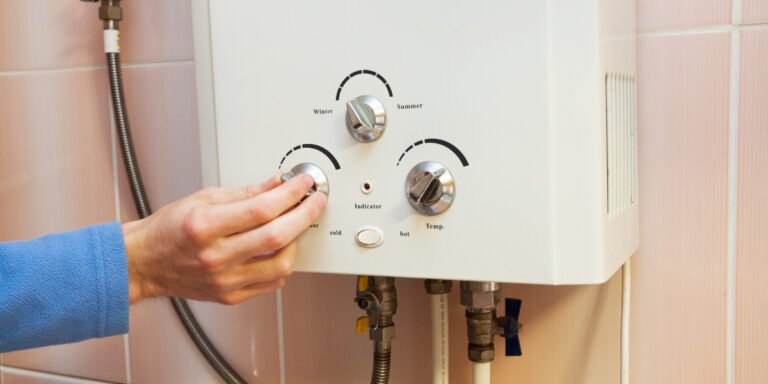
A Tankless Water Heater Maintenance routine is essential for prolonging the life of your system, ensuring consistent performance, and avoiding costly breakdowns. Unlike traditional storage tank units, on‑demand systems heat water only when you need it, offering energy savings and endless hot water. However, like any sophisticated appliance, tankless water heaters require regular care, especially in climates like Colorado, where mineral buildup and hard water can affect performance. Whether you have a gas tankless water heater or an electric model, proper maintenance practices help you maximize efficiency, reduce repair expenses, and extend system life. For homeowners who rely on HVAC in Thornton, CO, understanding tankless heater care is part of smart, cost‑effective homeownership.
What Makes Tankless Water Heater Maintenance Different
A Tankless Water Heater Maintenance schedule differs from traditional systems because tankless units operate at higher temperatures and flow rates. Instead of storing water, these units heat water instantly when a demand signal is sent. This design reduces standby heat loss and improves energy efficiency, which is why many homeowners choose a Tankless hot water system or a Whole‑house tankless water heater.
However, this also means routine checks and maintenance are vital for airflow, combustion, and mineral buildup, all of which can affect performance if neglected.
Why Regular Maintenance Matters
Maintaining your tankless unit is about more than just preventing breakdowns. Benefits include:
- Improved efficiency, which lowers utility bills
- Consistent hot water temperature
- Longer system life
- Reduced need for emergency repairs
- Better indoor air quality in combustion units
Skipping maintenance increases the risk of performance issues and can accelerate wear, especially in areas with mineral‑rich water.
Key Maintenance Tasks for Tankless Water Heaters
Here are the most important maintenance tasks every homeowner should perform:
1. Flush the System Annually
Mineral buildup, especially calcium and lime, can clog heat exchangers over time. Flushing your tankless system at least once per year prevents scaling that reduces heat transfer and efficiency.
Professional HVAC technicians typically use a vinegar solution or descaling agent to circulate through the unit, removing deposits and restoring optimal performance.
2. Clean or Replace the Filter
Most tankless units have a removable filter that traps debris. Over time, this filter collects sediment and should be cleaned or replaced regularly. A clogged filter reduces water flow and increases strain on the unit.
Check the filter every few months, especially if you have hard or mineral‑rich water in your home.
3. Inspect the Venting System
Proper venting ensures safe combustion and ventilation of exhaust gases in gas tankless water heaters. Inspect vent pipes for corrosion, blockages, or loose connections annually. Restricted airflow can lead to poor performance or safety hazards.
4. Check for Leaks or Corrosion
Regularly examine your unit and connections for signs of water leaks in Thornton, CO. Even small leaks can escalate into major problems if left unattended. Early detection prevents damage to walls, floors, or surrounding plumbing.
5. Test Operation Seasonally
At the start of each heating season and again in the middle, test your tankless water heater’s operation. Run hot water at various taps and monitor for consistent temperature and pressure. Variations may indicate scaling, sensor issues, or repair needs.
Tankless Water Heater Installation & Maintenance Best Practices
Proper installation is just as important as maintenance. A poorly installed system can lead to early failures, inefficiency, and safety hazards. Whether you are considering Tankless water heater installation or regular upkeep, follow these best practices:
- Ensure correct sizing for your home’s hot water needs
- Allow adequate ventilation for gas models
- Place the unit where it’s easily accessible for service
- Use quality pipe insulation to reduce heat loss
Professional technicians understand water heater requirements and can help you avoid common installation mistakes that compromise performance.
Gas vs Electric Tankless Water Heater Maintenance
Maintenance differs slightly depending on your fuel type:
Gas Tankless Water Heater
- Inspect the combustion chamber and burner area
- Check ventilation for blockages or damage
- Monitor gas connections for leaks or wear
- Ensure safe exhaust airflow
Electric Tankless Water Heater
- Inspect electrical connections and wiring
- Check for any signs of overheating
- Ensure proper breaker and circuit protection
- Verify element performance
Both systems benefit from flushing and filter maintenance, but gas units also require additional safety checks tied to combustion and venting.
Residential Tankless Water Heater Maintenance Tips
Homeowners should integrate the following tips into their annual home maintenance checklist:
- Mark calendar reminders for flushing, inspections, and filter cleanings
- Consider a water softener if the mineral content in your water is high
- Keep the area around your heater clean and accessible
- Always follow the manufacturer’s service intervals
- Partner with professionals for annual inspections
Routine upkeep prevents unexpected costs and supports efficient, long‑lasting operation.
Hot Water Heater Repair vs Replacement
Sometimes maintenance isn’t enough. Understanding when to repair vs replace helps you make smarter decisions:
- Repair is suitable if issues are minor and the system is under warranty.
- Replacement is more cost‑effective if breakdowns are frequent, efficiency drops significantly, or the unit is near the end of its life.
Most tankless water heaters last 15–20 years with proper care. However, if repairs exceed 50% of a new system’s cost or performance remains unsatisfactory after fixes, replacement may be the better investment.
Energy‑Efficient Water Heater Considerations
One of the biggest benefits of tankless systems is their energy efficiency. Energy‑efficient water heater designs eliminate standby heat loss and deliver hot water only when needed, reducing monthly utility bills.
To protect efficiency over time:
- Keep heat exchangers free of scale
- Maintain flow sensors and temperature controls
- Service components according to manufacturer recommendations
Efficient systems contribute to lower energy consumption and more environmentally responsible home heating.
Common Maintenance Mistakes to Avoid
Even well‑intentioned homeowners sometimes make maintenance errors:
- Flushing too frequently or with incorrect solutions
- Using harsh chemicals that damage internal parts
- Ignoring manufacturer intervals
- Attempting complex maintenance without proper knowledge
When in doubt, consult a qualified professional. Proper service preserves warranty coverage and prevents accidental damage.
When to Call a Professional
Some maintenance tasks are best left to experienced technicians. You should contact an expert when:
- You notice unusual noises, odors, or inconsistent temperatures
- You see signs of corrosion or leaks
- The unit fails to fire or maintain heat
- You are unsure about gas or electrical components
Certified professionals can diagnose issues early and ensure your tankless system operates safely. If you need expert tankless water heater support, companies like Bear Creek Heating and Air Conditioning offer reliable inspection and service for homeowners who want peace of mind.
Seasonal Maintenance Checklist
To help homeowners stay organized, here’s a seasonal checklist:
Spring & Summer:
- Flush system
- Clean filters
- Review venting and airflow
- Inspect for leaks
Fall & Winter Preparation:
- Test hot water delivery
- Tighten connections
- Check pressure and temperature accuracy
- Schedule a professional inspection
Following a routine like this prevents surprises when you need hot water most.
Final Thoughts
A Tankless Water Heater Maintenance program is essential for every homeowner with an on‑demand system. Whether you have a gas or electric unit, regular care prevents common problems, maintains efficiency, and extends the life of your tankless investment. With proper maintenance, including annual flushing, filter cleanings, system testing, and professional inspections, you’ll enjoy consistent hot water, lower energy costs, and fewer unexpected repairs.
Your hot water system is a vital part of your home’s comfort and functionality. By following best practices and staying ahead of maintenance needs, you protect both your family’s comfort and your home’s value.
FAQs
1. How often should I flush my tankless water heater?
At least once per year to remove mineral buildup and maintain performance.
2. Can I maintain my tankless water heater myself?
Basic tasks like cleaning filters can be DIY, but annual professional service is recommended.
3. Does maintenance improve energy efficiency?
Yes — keeping components clean ensures the system operates efficiently with less energy waste.
4. How long do tankless water heaters last?
With proper care, most systems last 15–20 years or more.
5. Should I schedule professional maintenance even if the heater works fine?
Yes — proactive professional inspections catch issues before they become costly repairs.
