

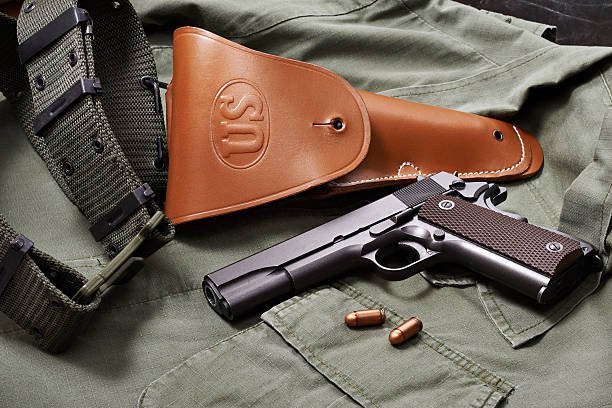
Introduction:
In the world of concealed carry, emphasizing the significance of a dependable and fashionable holster is essential. Custom leather holsters, embodying the pinnacle of craftsmanship, seamlessly merge practicality with aesthetic allure. This extends an invitation for you to explore the complex and fascinating process of making a custom leather pistol holster.
The Art of Leather Selection:
The foundation of any exceptional leather holster lies in the choice of material. Manufacturers meticulously select premium hides, considering factors like thickness, grain, and texture. Top-grain leather is often preferred for its durability and natural beauty. This initial step sets the stage for a holster that not only serves its purpose but also stands the test of time.
Pattern Design and Cutting:
Creating a custom leather holster requires a keen eye for design. Craftsmen begin by crafting a detailed pattern, taking into account the specific make and model of the firearm. Precision is key during this stage to ensure a snug fit and proper retention. Once the pattern is finalized, skilled artisans carefully cut the leather, paying attention to every contour and curve.
Wet Moulding and Shaping:
To achieve the perfect form, the cut leather pieces undergo a wet moulding process. The leather is soaked in water and then carefully moulded around the firearm. This step not only ensures a precise fit but also allows for the creation of intricate details, such as trigger guard coverage and sight channel accommodation. The wet moulding process requires both skill and patience to achieve the desired outcome.
Stitching with Precision:
Stitching is where the true craftsmanship of a custom leather holster shines. Using a combination of hand-stitching and machine stitching, artisans carefully sew the leather pieces together. High-quality thread is chosen for its strength and durability, ensuring that the holster remains intact even under stress. This step not only adds structural integrity but also contributes to the overall aesthetics of the holster.
Edge Finishing and Burnishing:
The edges of the leather holster are then meticulously finished to achieve a polished look. Craftsmen employ techniques such as burnishing, which involves rubbing the edges with a slicker to smooth and seal them. This not only enhances the visual appeal but also adds an extra layer of durability, preventing the leather from fraying over time.
Dyeing and Final Touches:
The color and finish of the custom leather holster are crucial aspects that can elevate its visual appeal. Craftsmen apply leather dye with precision, ensuring an even and rich color. Depending on the desired aesthetic, additional finishes like oiling or waxing may be applied. The final touches, such as adding a logo or personalization, are carefully integrated to make each holster unique.
Conclusion:
The progression from handpicking premium leather to shaping a bespoke leather gun holster unfolds as a harmonious blend of skill, precision, and artistic mastery. Every phase in the manufacturing journey plays a vital role in producing a holster that not only securely holds a firearm but also mirrors the commitment of adept artisans. Investing in a custom leather holster transcends obtaining a mere functional accessory; it entails embracing a work of craftsmanship that serves as a testament to the enduring artistry of leather working.
