

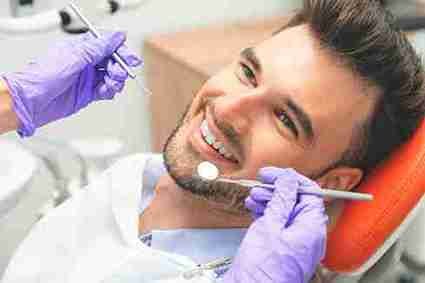
Maintaining a healthy smile requires more than brushing, flossing, and routine dental check-ups. While these habits form the basis of good oral hygiene, many people underestimate the importance of regular hygienist visits. Professional hygiene care reaches areas that at-home cleaning cannot, offering deeper protection against gum disease, plaque build-up, and early decay. Hygienists provide thorough cleaning, personalised preventative advice, and early detection of issues before they become serious. Their expertise helps keep your teeth and gums strong, your smile bright, and your oral health on track. Understanding the value of hygienist appointments is essential for long-term dental wellbeing.
Who Is a Dental Hygienist?
A dental hygienist is a trained oral health professional focused on preventing problems before they arise. Their role involves spotting early signs of gum disease, removing stubborn deposits, and helping patients maintain a healthy mouth between dental appointments. Unlike a dentist who diagnoses and treats issues a hygienist concentrates on preventative care, using specialised tools to reach areas brushing and flossing often miss. For those who regularly visit a hygienist in Middlesbrough, these sessions are essential for long-term gum and tooth health.
Key responsibilities include:
- Removing plaque, tartar, and calculus
- Identifying early signs of oral issues
- Providing personalised hygiene and dietary advice
- Guiding lifestyle habits that support oral health

Why Hygienist Visits Are Essential
Hygienist appointments are not optional extras, they are essential components of every effective dental routine. Here’s why:
1. Removing Plaque, Tartar & Stains
Even with excellent brushing and flossing, some plaque remains in hard-to-reach areas and eventually hardens into tartar, which cannot be removed at home. Professional scaling effectively eliminates these deposits, preventing cavities and gum irritation. For those who have previously required an emergency dentist in Middlesbrough, regular hygiene visits can greatly reduce future issues.
Key benefits include:
- Removal of stubborn plaque and tartar
- Reduced risk of decay and gum problems
- Lower likelihood of urgent dental emergencies
2. Preventing Gum Disease
Gum disease is extremely common yet highly preventable. Early symptoms often go unnoticed, as mild redness or occasional bleeding may seem insignificant. Without treatment, however, it can quickly progress and even lead to tooth loss. Hygienists are trained to spot the earliest signs of gingivitis and act before the condition worsens.
Key benefits include:
- Early detection of gum problems
- Reduced inflammation and irritation
- Protection of the tissues supporting your teeth
3. Protecting Existing Dental Work
Dental restorations such as crowns, veneers, fillings, bridges, and implants need careful maintenance. A hygienist helps protect this work by removing bacteria and plaque around the restoration sites, preventing infections and extending their lifespan. For individuals who visit a hygienist in Middlesbrough regularly, this ongoing care can significantly reduce complications around dental work and keep their smile functional and attractive for longer.
4. Supporting Fresher Breath
Persistent bad breath is often caused by trapped bacteria deep within the gumlines or between teeth. A hygienist’s deep cleaning removes these bacteria, leaving your breath fresher and improving overall confidence.
The Hidden Benefits of Seeing a Hygienist Regularly
Beyond the obvious cleaning advantages, regular hygienist appointments offer numerous long-term health and aesthetic benefits.
1. A Brighter, More Confident Smile
Hygienists are skilled at removing surface stains caused by tea, coffee, wine and smoking. Even without whitening treatments, professional polishing noticeably improves the brightness and smoothness of your teeth.
2. Improved Overall Health
Extensive research shows a strong link between oral health and overall wellbeing. Gum disease has been associated with:
- Heart disease
- Diabetes
- Respiratory infections
- Chronic inflammation
By maintaining healthy gums, you support your entire body.
3. Personalised Oral Care Advice
A hygienist can analyse your oral habits and provide tailored advice on:
- Correct brushing techniques
- Effective flossing methods
- Recommended dental tools
- Dietary choices
- Lifestyle habits that affect oral health
This personalised approach makes daily care more effective.
4. Early Detection of Oral Problems
Hygienists routinely identify issues early, often before discomfort or visible symptoms appear. This allows for prompt intervention, saving time, money, and unnecessary pain later on. A simple table can highlight the importance of early detection:
| Issue Detected Early | Why It Matters |
| Small cavities | Prevents major restorative treatment |
| Gum inflammation | Stops progression to advanced gum disease |
| Enamel erosion | Reduces future sensitivity and decay |
| Oral lesions | Ensures timely professional evaluation |
These preventative benefits make hygienist visits one of the most valuable components of a dental routine.

What Happens During a Hygienist Appointment?
Many patients are unsure of what to expect during a hygiene visit. Understanding the process helps reduce anxiety and sets the stage for a comfortable, positive experience.
Typical Steps in a Hygienist Appointment
- Initial Assessment: The hygienist evaluates your gums, identifies problem areas, and checks for inflammation or plaque build-up.
- Scaling: Specialised tools are used to remove plaque and tartar from the tooth surfaces and gumlines.
- Polishing: Teeth are polished to remove surface stains, leaving a smooth, clean finish.
- Gum Evaluation: Measurements may be taken to assess gum pocket depth and monitor changes over time.
- Advice & Aftercare: You’ll receive personalised tips to maintain oral hygiene between visits.
Modern equipment makes the entire process comfortable, efficient, and often surprisingly relaxing. Many patients note the fresh, clean feeling as one of the main reasons they continue regular appointments.
How Often Should You Visit a Hygienist?
While the general recommendation is every six months, your ideal frequency may vary. Some individuals benefit from visits every three to four months, especially if they:
- Have a history of gum disease
- Smoke
- Wear braces or aligners
- Have dental implants or extensive restorations
- Experience dry mouth
- Are prone to plaque build-up
Regular hygiene appointments also help reduce the chances of requiring assistance from an emergency dentist in Middlesbrough by catching problems early before they escalate.
Final Thoughts
Hygienist visits are a vital part of every effective dental routine. They offer thorough cleaning, disease prevention, early detection of oral issues, and personalised care that brushing alone cannot achieve. Consistent hygiene appointments protect your smile, improve confidence, and promote long-term oral health. If you’re committed to maintaining a healthy mouth, prioritising routine hygienist visits is one of the most valuable steps you can take with Middlesbrough.
