

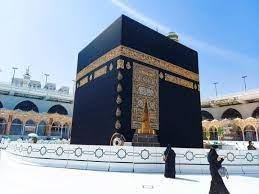
Umrah during Ramadan has always carried immense spiritual significance for Muslims worldwide. However, the way pilgrims access, plan, and experience Umrah—especially through organised Umrah packages—has undergone a profound transformation over centuries. From informal caravan journeys to digitally curated Ramadan Umrah packages, this evolution reflects not only logistical advancement but also deeper cultural, economic, and spiritual shifts within the Muslim world.
Understanding this evolution helps pilgrims make informed decisions while appreciating how faith, commerce, and technology have intersected to shape the modern Umrah experience.
Early History: Umrah Before Structured Packages
Historically, Umrah travel was individual or community-led, not commercially packaged. Pilgrims relied on:
- Local guides and caravan leaders
- Seasonal trade routes connecting Makkah and Madinah
- Personal savings and extended travel timelines
Journeys often took months and involved significant physical and financial risk. Ramadan Umrah was particularly challenging due to heat, overcrowding, and limited accommodation. Yet, the spiritual reward outweighed hardship, reinforcing a culture of patience, sacrifice, and communal solidarity.
At this stage, there were:
- No standardised pricing
- No pre-booked accommodation
- No defined service tiers
Pilgrimage was an act of devotion rather than a consumer experience.
Colonial and Early Modern Period: The Seeds of Organisation
With the decline of caravan systems and the introduction of steamships and railways in the 19th and early 20th centuries, Umrah travel began to shift. Muslim travellers from South Asia, Africa, and Southeast Asia increasingly relied on intermediaries.
This period introduced:
- Travel agents acting as facilitators
- Basic lodging arrangements near holy sites
- Group travel coordination
While not yet branded as “Umrah packages,” these early frameworks laid the foundation for structured pilgrimage services, especially during Ramadan when demand naturally increased.
Oil Boom Era: Commercialisation and Accessibility
The economic transformation of Saudi Arabia in the mid-20th century dramatically reshaped Umrah logistics. Infrastructure expansion—hotels, roads, airports—enabled higher pilgrim volumes.
This era marked the birth of formal Umrah packages, characterised by:
- Fixed itineraries
- Pre-arranged hotels and transport
- Group leaders and religious guides
Ramadan Umrah packages gained popularity because they addressed key problems pilgrims faced:
- Accommodation shortages
- Transportation confusion
- Lack of religious guidance
By bundling services, packages made Umrah more accessible to middle-income Muslims while maintaining religious integrity.
Cultural Shifts: From Hardship to Comfort
As Umrah packages evolved, cultural expectations changed. Pilgrims increasingly sought comfort without compromising spirituality. This shift sparked debates within Muslim communities about materialism versus devotion.
Key cultural transitions included:
- Preference for proximity-based hotels
- Demand for air-conditioned transport
- Inclusion of scholars for Ramadan lectures
Rather than diminishing spirituality, these changes allowed pilgrims to focus more on worship and less on survival logistics—especially important during fasting hours.
Ramadan-Specific Umrah Packages: A Turning Point
Ramadan introduced unique logistical and spiritual challenges:
- Peak crowds during the last ten nights
- Increased hotel rates
- Extended prayer schedules (Taraweeh and Qiyam)
To address these issues, travel providers designed Ramadan-exclusive Umrah packages that accounted for:
- Suhoor and Iftar arrangements
- Flexible prayer-centred itineraries
- Crowd management during peak rituals
This specialisation reflects a problem-solving evolution—packages became solutions rather than simple travel products.
Digital Revolution: Technology Reshaping Umrah Packages
The 21st century ushered in a digital transformation. Online platforms, mobile apps, and real-time booking systems revolutionised Umrah planning.
Modern Ramadan Umrah packages now feature:
- Online visa processing
- Dynamic hotel pricing
- Customizable itineraries
Pilgrims can compare packages, read reviews, and select services aligned with both budget and spiritual goals. This transparency solved long-standing problems of misinformation, overpricing, and service inconsistency.
Micro-Level Changes: Personalisation and Choice
At a micro-semantic level, Umrah packages have shifted from “one-size-fits-all” to personalised pilgrimage experiences.
Examples include:
- Economy, standard, and luxury Ramadan packages
- Packages for families, elders, and solo travellers
- Language-specific guides and scholars
This personalisation respects cultural diversity within the global Muslim population while ensuring inclusivity.
Macro-Level Impacts: Economy, Identity, and Globalisation
On a macro scale, the evolution of Ramadan Umrah packages reflects broader themes:
- Global Muslim mobility
- Religious tourism economies
- Cultural exchange across nationalities
Saudi Arabia’s Vision-focused reforms have further professionalized the sector, balancing hospitality standards with religious preservation.
However, this growth also raises questions:
- How to manage overcrowding sustainably
- How to ensure affordability for low-income pilgrims
- How to preserve spiritual authenticity
Modern Umrah packages increasingly attempt to address these challenges through staggered travel dates, ethical pricing models, and education-based services.
Problem-Solving Role of Modern Umrah Packages
Today’s Ramadan Umrah packages act as comprehensive solutions rather than convenience products. They solve:
- Time constraints for working professionals
- Health and safety concerns for elderly pilgrims
- Language and navigation barriers
By reducing uncertainty, they enable pilgrims to concentrate on worship, reflection, and community.
The Future: Where Tradition Meets Innovation
Looking ahead, Umrah packages are likely to integrate:
- AI-based crowd forecasting
- Sustainable hospitality practices
- Enhanced spiritual education tools
The challenge will be maintaining the sacred essence of Umrah while embracing innovation. If guided ethically, future Ramadan Umrah packages can continue to evolve without losing their spiritual soul.
Conclusion
The evolution of Umrah packages for Ramadan mirrors the broader journey of the Muslim world—balancing tradition with progress, devotion with practicality. From arduous caravan treks to digitally optimised experiences, each stage reflects changing cultural needs and problem-solving innovations.
Ultimately, modern Ramadan Umrah packages are not just travel solutions; they are living reflections of how faith adapts while remaining timeless.
