

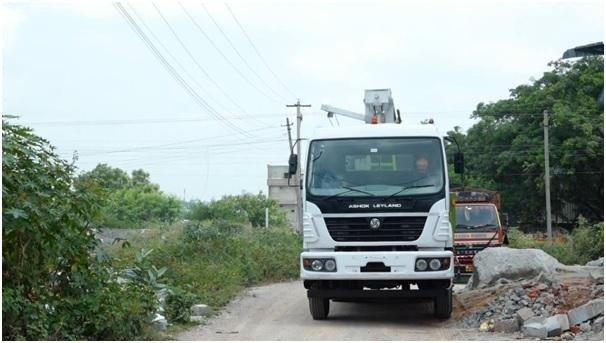
As industries expand into deeper groundwater extraction, mining applications, and large-scale infrastructure projects, the need for high-performance technology becomes strategic rather than optional. Investing in an advanced drilling rig machine ensures greater control, accuracy, and operational confidence. For companies prioritizing long-term value, enhanced safety, and optimized output, a modern rig represents a key competitive advantage that supports consistent workflow, reduces operational disruptions, and strengthens business capability across diverse terrains.
1. Enhanced Drilling Accuracy and Precision Output
Accuracy plays a crucial role in determining the success of any drilling operation, especially when working in geologically unpredictable environments. Modern rigs incorporate automated control systems, GPS-supported drilling alignment, and improved hydraulic configurations to deliver consistent positioning and borehole integrity. These features minimize deviation errors and reduce corrective measures that slow projects and increase operational costs. With digital monitoring and advanced calibration, operators gain precise depth and directional control, resulting in cleaner wells and better long-term performance outcomes. This level of precision ensures consistent drilling quality across multiple sites while improving reliability and minimizing material waste.
2. Increased Operational Efficiency and Faster Project Completion
Efficiency has become a defining factor in drilling performance, and advanced machines are engineered to accelerate completion timelines without compromising output. Modern rigs offer higher torque capacity, faster penetration rates, and smart energy systems that support seamless transitions across drilling stages. Improved mechanical engineering also reduces equipment fatigue and minimizes operational downtime. The ability to complete more work in less time directly contributes to increased revenue potential and client satisfaction. For teams managing high-volume schedules or remote-location sites, faster operational pacing allows for better scalability and improved overall resource utilization.
3. Significant Cost Savings Over Lifecycle Ownership
While advanced machines may require a higher upfront investment, the long-term economic benefits outweigh initial expenditure. Modern rigs offer fuel-efficient power systems, durable components, and predictable maintenance schedules, reducing unexpected service interruptions and costly repairs. The lifecycle value becomes particularly evident when comparing asset longevity, repair frequency, and spare part usage against outdated or entry-level equipment. Evaluating the machine price through a lifecycle cost perspective helps organizations make smarter decisions that support consistent project budgeting and long-term financial planning.
4. Improved Operator Safety and Regulatory Alignment
Safety continues to be a driving factor in equipment adoption, especially for drilling environments exposed to extreme weather, unstable formations, or deep excavation demands. Advanced rigs incorporate automated emergency shutdown controls, ergonomic design improvements, and integrated safety monitoring. These enhancements reduce exposure to risk and help organizations comply with evolving industry regulations and operational frameworks. The result is a safer working environment with fewer onsite hazards and increased operator confidence.
Final Thoughts:
Organizations investing in drilling technology benefit significantly when prioritizing performance, lifecycle value, and operational efficiency over initial cost alone. While comparing equipment features or reviewing the water drilling machine price, long-term capability and reliability remain essential considerations.
Those seeking advanced, field-tested solutions can explore offerings from Prime Rigs to make informed investments that support operational growth and performance-driven outcomes. With expert guidance and a diverse product range, the company ensures clients secure equipment aligned with both present requirements and future expansion goals.
